
Qualité des cuirs de tamarin

Qualité des cuirs de tamarin

Ghada Abdelrahman

69,88 €
IVA incluido
Disponible
Editorial:
KS OmniScriptum Publishing
Año de edición:
2024
Materia
Botánica y ciencias de las plantas
ISBN:
9786207904907
69,88 €
IVA incluido
Disponible

Selecciona una librería:

  • Librería Samer Atenea
  • Librería Aciertas (Toledo)
  • Kálamo Books
  • Librería Perelló (Valencia)
  • Librería Elías (Asturias)
  • Donde los libros
  • Librería Kolima (Madrid)
  • Librería Proteo (Málaga)

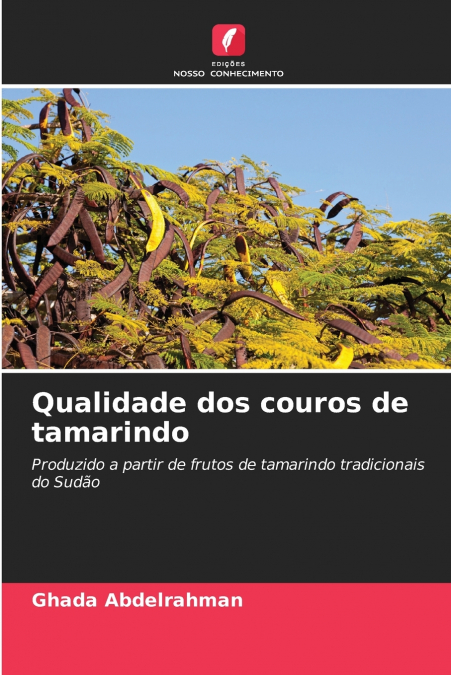
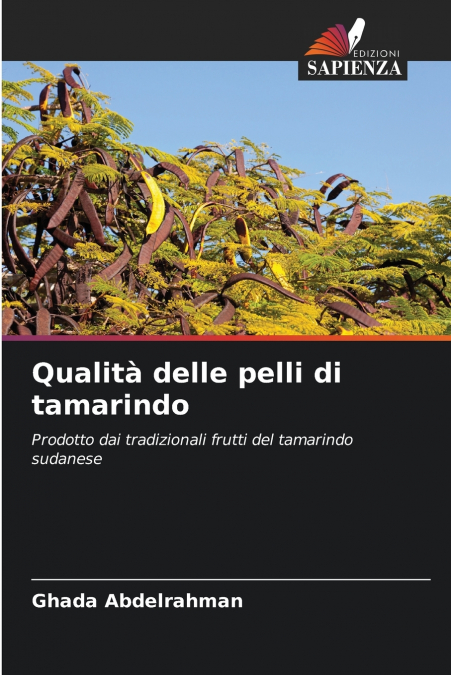
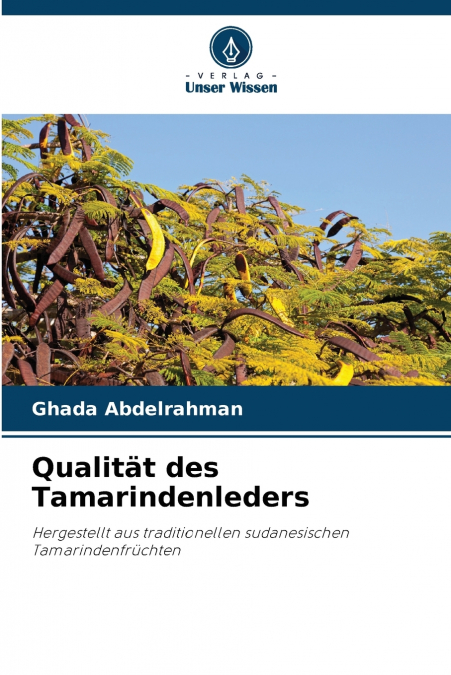
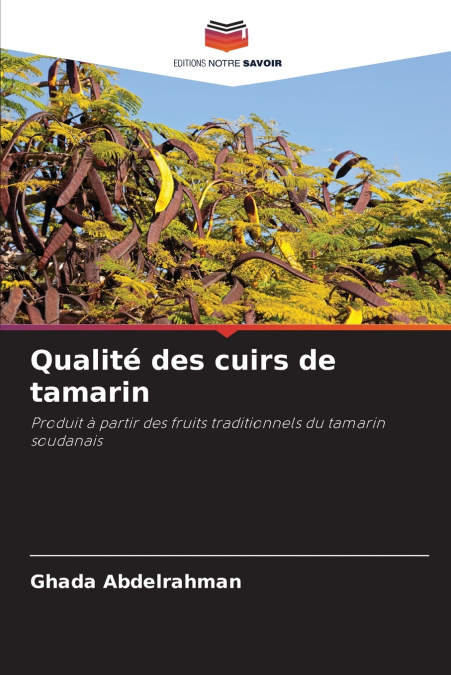
La pulpe du fruit du tamarin (Tamarindus Indica.L) a été extraite avec de l’eau, trois niveaux de saccharose (5, 10 et 15 %) ont été ajoutés à la pulpe qui a été séchée sous forme de cuir en utilisant trois systèmes de séchage différents, à savoir un séchoir de laboratoire (70,0 ºC), un séchoir solaire (54± 4 ºC) et un séchoir à l’ombre (35 ± 10 ºC). Les caractéristiques de qualité du cuir de tamarin (taux de séchage, taux de réhydratation, texture, acidité, sucres, solides solubles totaux et brunissement non enzymatique) ont été étudiées après le traitement des cuirs de tamarin stockés à température ambiante (25 - 30 ºC) pendant six mois. Pendant le stockage, les caractéristiques microbiologiques du cuir ont également été étudiées. Le fruit du tamarinier s’est révélé riche en sucres totaux, en sucres réducteurs, en K et en Ca (37,33%, 36,5%, 362 mg / 100g et 149 mg / 100g, respectivement) et pauvre en protéines et en Fe. Le rapport optimal entre l’eau et le fruit du tamarin pour la réduction en pâte s’est avéré être de 1:4 avec un temps de trempage optimal de 3 heures. La pulpe de tamarin s’est révélée très acide (7,6 % d’acidité sous forme d’acide tartrique).
Artículos relacionados

  • The Green Architecture
    Ali Mirshafieyan / Ghazal Yeganeh / Maryam Zamani Motlagh
    Protecting green energy as well as non-renewable energy, as well as their sustainable use, many advances in the technology of extracting oil products and other reserves under the ground have caused many improvements. In this regard, proposing the design of buildings in which the consumption of fossil fuels reaches its lowest level is considered one of the important solutions in...
    Disponible

    82,54 €

  • Responsible Use and Management of Agrochemicals
    Juan Carlos Nava
    Uso y manejo responsable de agroquímicos is a work product of the author’s experiences (undergraduate and graduate professor, with research and extension projects), aimed at producers, companies, professionals, students, advisors, researchers, among others.Due to its structure and content, it is expected to be a valuable aid to all people directly or indirectly involved in the ...
    Disponible

    49,45 €

  • Hope in the Soil
    Ellen G White
    Before edible classrooms began 'sprouting' in elementary schools, before buzzwords like 'sustainable agriculture', 'organic,' or 'veganic' came into existence, an exceptional woman named Ellen G. White penned numerous letters and articles on the importance of farming, an outdoor life, and manual labor. Though often remembered for other things, Mrs. White was actively engaged in...
    Disponible

    18,38 €

  • The Green Revolution
    Binitha Sophine Emmanuel
    The Green Revolution, a transformative era in the annals of agriculture, emerged as a game-changing force during the mid-20th century, fundamentally reshaping the methodology of food production and steering the trajectory of global food security. Characterized by a sequence of technological breakthroughs, the Green Revolution aimed to substantially augment agricultural producti...
    Disponible

    53,23 €

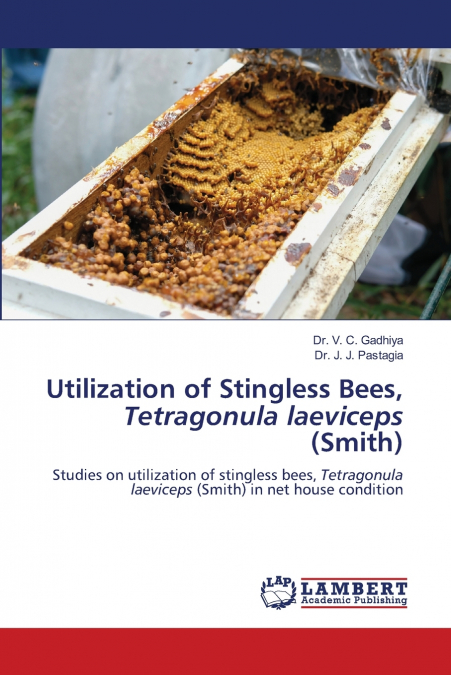
  • Utilization of Stingless Bees, Tetragonula laeviceps (Smith)
    Dr. J. J. Pastagia / Dr. V. C. Gadhiya
    The present investigations on utilization of stingless bees, T. laeviceps Smith in net house condition carried out with the broad aspects like flowers visited by stingless bees, T. laeviceps Smith, toxicity of insecticides to T. laeviceps Smith workers, floral biology of musk melon, foraging behavior of stingless bees, T. laeviceps Smith in net house condition, effect of pollin...
    Disponible

    84,80 €

  • La révolution verte
    Binitha Sophine Emmanuel
    La révolution verte, une ère transformatrice dans les annales de l’agriculture, est apparue comme une force qui a changé la donne au milieu du 20e siècle, remodelant fondamentalement la méthodologie de la production alimentaire et orientant la trajectoire de la sécurité alimentaire mondiale. Caractérisée par une série de percées technologiques, la révolution verte visait à augm...
    Disponible

    53,29 €

Otros libros del autor

  • Qualidade dos couros de tamarindo
    Ghada Abdelrahman
    A polpa do tamarindo (Tamarindus Indica.L) foi extraída com água, três níveis de sacarose (5, 10 e 15 %) foram adicionados à polpa que foi seca em forma de couro usando três sistemas de secagem diferentes, nomeadamente secador de laboratório (70,0ºC), secador solar (54± 4 ºC) e à sombra (35 ± 10 ºC). As características de qualidade do couro de tamarindo (taxa de secagem, taxa d...
    Disponible

    69,88 €

  • Qualità delle pelli di tamarindo
    Ghada Abdelrahman
    La polpa del tamarindo (Tamarindus Indica.L) è stata estratta con acqua, sono stati aggiunti tre livelli di saccarosio (5, 10 e 15 %) alla polpa che è stata essiccata in forma di pelle utilizzando tre diversi sistemi di essiccazione, vale a dire l’essiccatoio da laboratorio (70,0 ºC), l’essiccatoio solare (54± 4 ºC) e all’ombra (35 ± 10 ºC). Le caratteristiche qualitative della...
    Disponible

    69,88 €

  • Qualität des Tamarindenleders
    Ghada Abdelrahman
    Das Fruchtfleisch der Tamarinde (Tamarindus Indica.L) wurde mit Wasser extrahiert, dem Fruchtfleisch wurden drei Stufen von Saccharose (5, 10 und 15 %) zugesetzt, die in Form von Leder unter Verwendung von drei verschiedenen Trocknungssystemen getrocknet wurden, nämlich in einem Labortrockner (70,0 ºC), einem Solartrockner (54± 4 ºC) und im Schatten (35 ± 10 ºC). Die Qualitätsm...
    Disponible

    69,87 €