Inicio > Matemáticas y ciencia > Biologia, ciencias de la vida > Botánica y ciencias de las plantas > QUALITATIVE AND QUANTITATIVE TRAITS OF TARO (Colocasia esculenta)
QUALITATIVE AND QUANTITATIVE TRAITS OF TARO (Colocasia esculenta)

QUALITATIVE AND QUANTITATIVE TRAITS OF TARO (Colocasia esculenta)

Anshul Lohakare / Reshma Bhosale / Vishwanath Khandare

114,42 €
IVA incluido
Disponible
Editorial:
KS OmniScriptum Publishing
Año de edición:
2026
Materia
Botánica y ciencias de las plantas
ISBN:
9786209995842
114,42 €
IVA incluido
Disponible

Selecciona una librería:

  • Librería Samer Atenea
  • Kálamo Books
  • Librería Elías (Asturias)
  • Librería Kolima (Madrid)
  • Librería Proteo (Málaga)

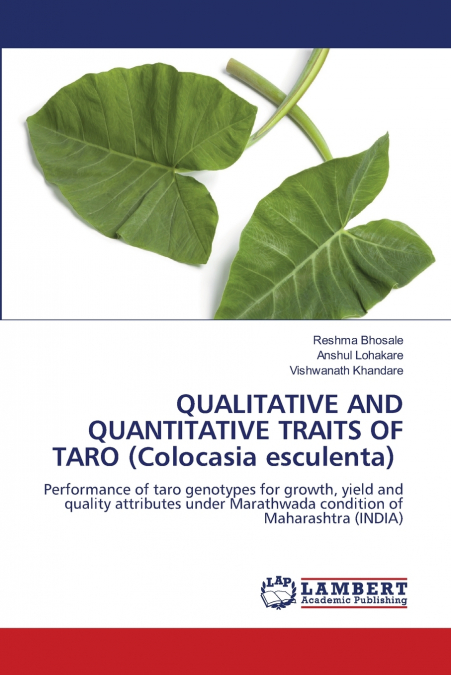
Taro (Colocasia esculenta L.) is the staple source of people’s diet and the 14th most consumed vegetable worldwide. In terms of consumption, taro ranks second to sweet potatoes as a staple root crop. Taro is a popular food due to its excellent nutritional content, pleasant taste and flavor. It is rich in carbohydrates, protein, vitamins, and minerals such as Ca, Fe and P. The tubers contain high amounts of carbohydrates, while the leaves provide vitamins A and C, water (63-85%), protein (8-13%), carbohydrates (13-29%), fibre (0.6-1.2%), fat (2-4%) and other nutrients are present. Every portion of the plant, including the corm, cormels, petiole, leaves and flowers, is high in starch and are edible. Taro is widely underutilized crop in India, growing in only a few locations. Its genotypes have not been thoroughly researched in terms of growth, yield and quality attributes. Despite the fact that its leaves and corms are frequently consumed in Maharashtra’s Marathwada region, considering above facts, views and constraint the study was conducted and presented in this book which will be certainly useful to the academicians, researchers and students.
Artículos relacionados

  • The Green Architecture
    Ali Mirshafieyan / Ghazal Yeganeh / Maryam Zamani Motlagh
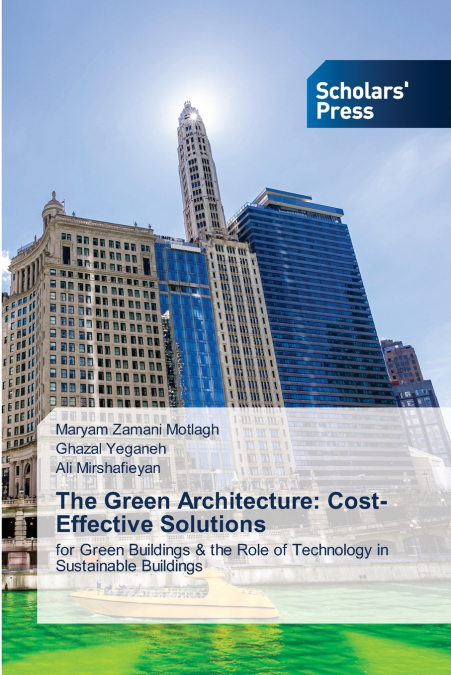
    Protecting green energy as well as non-renewable energy, as well as their sustainable use, many advances in the technology of extracting oil products and other reserves under the ground have caused many improvements. In this regard, proposing the design of buildings in which the consumption of fossil fuels reaches its lowest level is considered one of the important solutions in...
    Disponible

    82,54 €

  • Responsible Use and Management of Agrochemicals
    Juan Carlos Nava
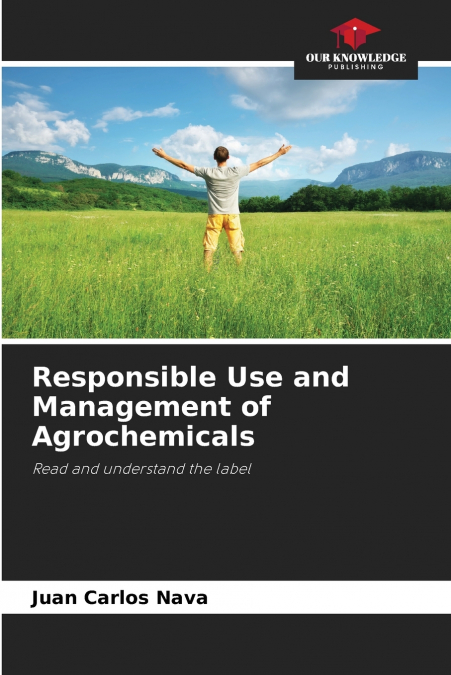
    Uso y manejo responsable de agroquímicos is a work product of the author’s experiences (undergraduate and graduate professor, with research and extension projects), aimed at producers, companies, professionals, students, advisors, researchers, among others.Due to its structure and content, it is expected to be a valuable aid to all people directly or indirectly involved in the ...
    Disponible

    49,45 €

  • Hope in the Soil
    Ellen G White
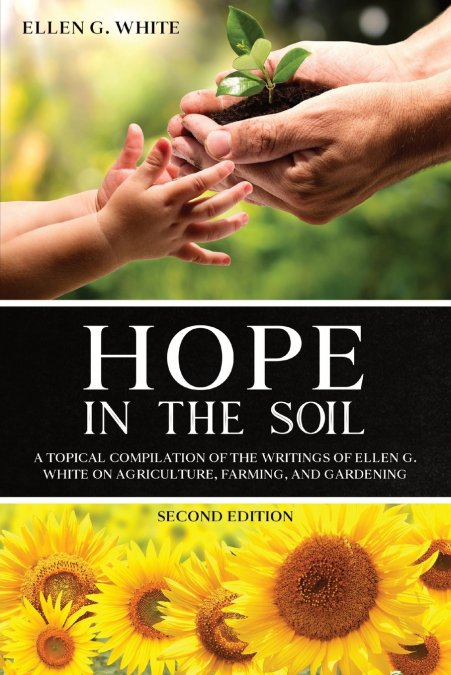
    Before edible classrooms began 'sprouting' in elementary schools, before buzzwords like 'sustainable agriculture', 'organic,' or 'veganic' came into existence, an exceptional woman named Ellen G. White penned numerous letters and articles on the importance of farming, an outdoor life, and manual labor. Though often remembered for other things, Mrs. White was actively engaged in...
    Disponible

    18,38 €

  • The Green Revolution
    Binitha Sophine Emmanuel
    The Green Revolution, a transformative era in the annals of agriculture, emerged as a game-changing force during the mid-20th century, fundamentally reshaping the methodology of food production and steering the trajectory of global food security. Characterized by a sequence of technological breakthroughs, the Green Revolution aimed to substantially augment agricultural producti...
    Disponible

    53,23 €

  • Utilization of Stingless Bees, Tetragonula laeviceps (Smith)
    Dr. J. J. Pastagia / Dr. V. C. Gadhiya
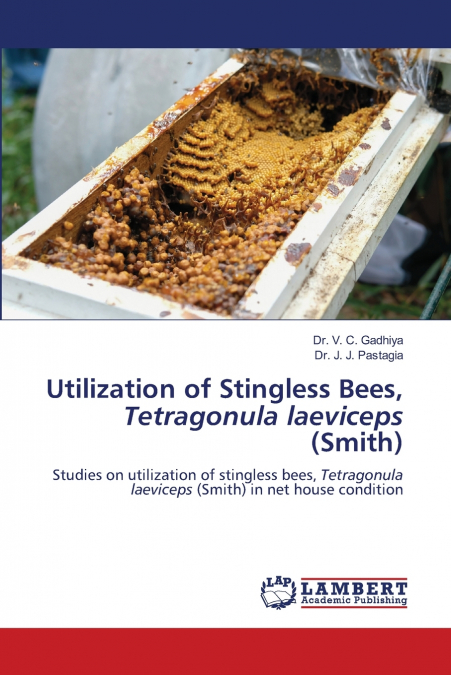
    The present investigations on utilization of stingless bees, T. laeviceps Smith in net house condition carried out with the broad aspects like flowers visited by stingless bees, T. laeviceps Smith, toxicity of insecticides to T. laeviceps Smith workers, floral biology of musk melon, foraging behavior of stingless bees, T. laeviceps Smith in net house condition, effect of pollin...
    Disponible

    84,80 €

  • La révolution verte
    Binitha Sophine Emmanuel
    La révolution verte, une ère transformatrice dans les annales de l’agriculture, est apparue comme une force qui a changé la donne au milieu du 20e siècle, remodelant fondamentalement la méthodologie de la production alimentaire et orientant la trajectoire de la sécurité alimentaire mondiale. Caractérisée par une série de percées technologiques, la révolution verte visait à augm...
    Disponible

    53,29 €

Otros libros del autor

  • Caratteristiche qualitative e quantitative del Taro (Colocasia esculenta)
    Anshul Lohakare / Reshma Bhosale / Vishwanath Khandare
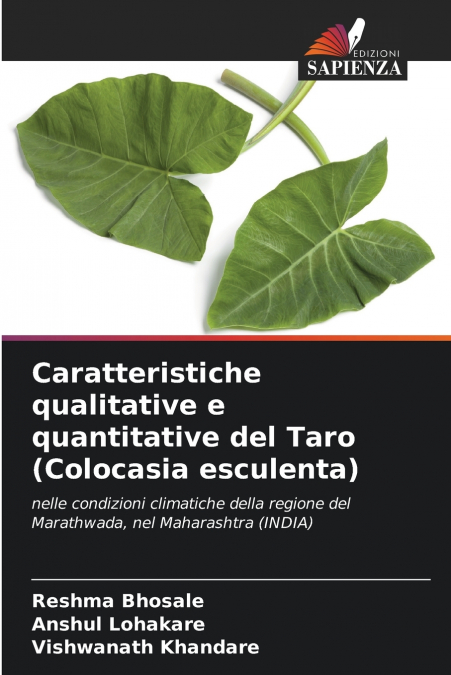
    Il taro (Colocasia esculenta L.) è l’alimento base della dieta della popolazione e il 14° ortaggio più consumato al mondo. In termini di consumo, il taro si colloca al secondo posto dopo la patata dolce tra le colture a radice di base. Il taro è un alimento molto apprezzato grazie al suo eccellente contenuto nutrizionale, al gusto gradevole e al sapore caratteristico. È ricco d...
    Disponible

    98,90 €

  • Cechy jakościowe i ilościowe Taro (Colocasia esculenta)
    Anshul Lohakare / Reshma Bhosale / Vishwanath Khandare
    Taro (Colocasia esculenta L.) stanowi podstawowy składnik diety ludności i zajmuje 14. miejsce wśród najczęściej spożywanych warzyw na świecie. Pod względem spożycia taro zajmuje drugie miejsce po słodkich ziemniakach jako podstawowa roślina korzeniowa. Taro jest popularnym produktem spożywczym ze względu na doskonałą wartość odżywczą, przyjemny smak i aromat. Jest bogate w węg...
    Disponible

    98,90 €

  • Qualitative und quantitative Merkmale von Taro (Colocasia esculenta)
    Anshul Lohakare / Reshma Bhosale / Vishwanath Khandare
    Taro (Colocasia esculenta L.) ist ein Grundnahrungsmittel und steht weltweit an 14. Stelle der am häufigsten verzehrten Gemüsesorten. Was den Verzehr angeht, steht Taro als Grundnahrungsmittel unter den Wurzelgemüsesorten an zweiter Stelle hinter Süßkartoffeln. Taro ist aufgrund seines hervorragenden Nährstoffgehalts sowie seines angenehmen Geschmacks und Aromas ein beliebtes N...
    Disponible

    98,88 €

  • Caractères qualitatifs et quantitatifs du Taro (Colocasia esculenta)
    Anshul Lohakare / Reshma Bhosale / Vishwanath Khandare
    Le taro (Colocasia esculenta L.) constitue l’aliment de base de l’alimentation des populations et occupe la 14e place parmi les légumes les plus consommés au monde. En termes de consommation, le taro occupe la deuxième place derrière la patate douce parmi les tubercules de base. Le taro est un aliment très apprécié en raison de son excellente valeur nutritionnelle, de son goût ...
    Disponible

    98,88 €

  • Características qualitativas e quantitativas do Taro (Colocasia esculenta)
    Anshul Lohakare / Reshma Bhosale / Vishwanath Khandare
    O taro (Colocasia esculenta L.) é a principal fonte alimentar da população e o 14.º vegetal mais consumido a nível mundial. Em termos de consumo, o taro ocupa o segundo lugar, a seguir à batata-doce, como tubérculo básico. O taro é um alimento popular devido ao seu excelente valor nutricional, sabor e aroma agradáveis. É rico em hidratos de carbono, proteínas, vitaminas e miner...
    Disponible

    98,90 €