 Librería Samer Atenea
 Kálamo Books
 Librería Elías (Asturias)
 Librería Kolima (Madrid)
 Librería Proteo (Málaga)
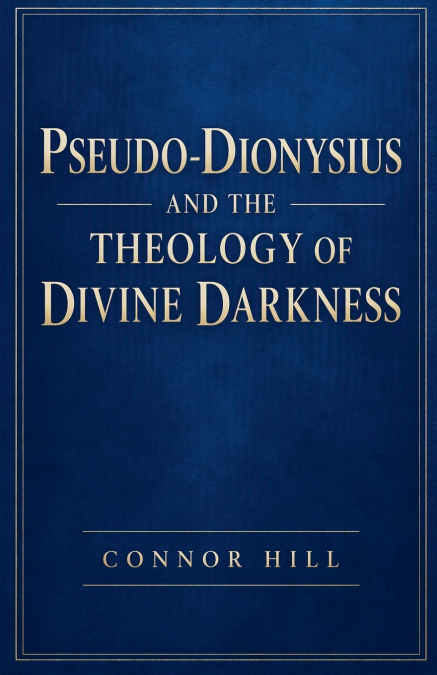
Among the most influential and enigmatic figures in the history of Christian theology stands the author known as Pseudo-Dionysius the Areopagite. Few writers have exercised such a profound impact upon theological reflection, mystical spirituality, liturgical thought, and theories of divine knowledge while simultaneously remaining shrouded in uncertainty regarding their historical identity. Yet the enduring significance of the Dionysian corpus rests not upon questions of authorship but upon the remarkable theological vision articulated throughout its writings. At the center of that vision stands a paradox that has fascinated theologians, philosophers, and mystics for centuries: God is most truly encountered not in light but in darkness, not through knowledge but through unknowing, not through affirmation but through the transcendence of every affirmation and every denial.The present study explores this distinctive theological vision through a comprehensive examination of the works and thought of Pseudo-Dionysius. Its guiding conviction is that the notion of divine darkness constitutes neither a marginal metaphor nor an isolated mystical theme within the Dionysian corpus. Rather, it serves as the organizing principle through which all the author’s major concerns are united. The theology of divine names, apophatic discourse, liturgical symbolism, angelic hierarchies, ecclesial structures, mystical ascent, and deification all converge toward a single goal: the elevation of the human soul beyond the realm of conceptual knowledge into a direct encounter with the God who transcends every mode of existence and understanding.