Inicio > Matemáticas y ciencia > Biologia, ciencias de la vida > Botánica y ciencias de las plantas > Programação do nitrogénio e potássio no trigo (Triticum aestivum L.)
Programação do nitrogénio e potássio no trigo (Triticum aestivum L.)

Programação do nitrogénio e potássio no trigo (Triticum aestivum L.)

B.S. Gohil / J.K. Kapadiya / R.K. Mathukia

83,16 €
IVA incluido
Disponible
Editorial:
KS OmniScriptum Publishing
Año de edición:
2025
Materia
Botánica y ciencias de las plantas
ISBN:
9786202424592
83,16 €
IVA incluido
Disponible

Selecciona una librería:

  • Librería Samer Atenea
  • Librería Aciertas (Toledo)
  • Kálamo Books
  • Librería Perelló (Valencia)
  • Librería Elías (Asturias)
  • Donde los libros
  • Librería Kolima (Madrid)
  • Librería Proteo (Málaga)

O trigo é o segundo alimento básico mais importante depois do arroz, consumido por 65% da população da Índia. Os fertilizantes desempenham um papel fundamental no aumento da produção agrícola em quase 41%. Entre os nutrientes primários, o azoto desempenha um papel importante no metabolismo das plantas, por ser um constituinte essencial da estrutura celular e de muitos tipos diversos de compostos metabolicamente ativos. É também um constituinte da clorofila, importante para a captação da energia solar. O azoto está sujeito a perdas por lixiviação, volatilização e escoamento durante o período de cultivo. Além disso, as culturas necessitam de azoto durante todo o período de crescimento. O potássio desempenha um papel essencial no crescimento e metabolismo das plantas. Ele ativa enzimas, mantém a pressão de turgescência dos tecidos, regula o fechamento dos estômatos e equilibra a carga de ânions. Quando aplicado no solo, ele se agrega às partículas de argila, sendo liberado lentamente no solo. Portanto, a aplicação dividida de nitrogênio e potássio parece ser muito importante e essencial para ser estudada para a cultura do trigo.
Artículos relacionados

  • The Green Architecture
    Ali Mirshafieyan / Ghazal Yeganeh / Maryam Zamani Motlagh
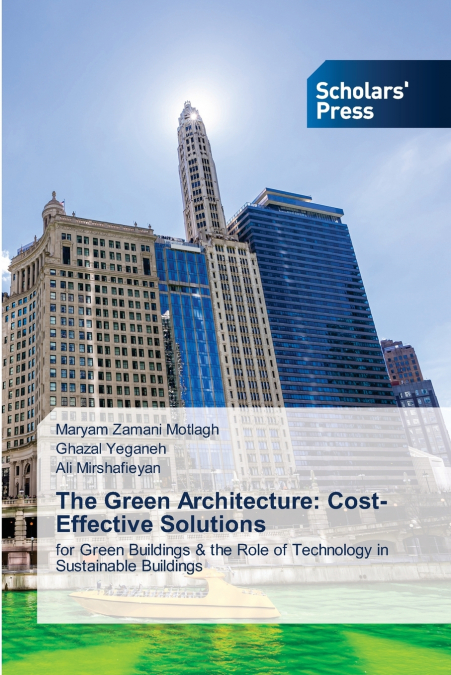
    Protecting green energy as well as non-renewable energy, as well as their sustainable use, many advances in the technology of extracting oil products and other reserves under the ground have caused many improvements. In this regard, proposing the design of buildings in which the consumption of fossil fuels reaches its lowest level is considered one of the important solutions in...
    Disponible

    82,54 €

  • Responsible Use and Management of Agrochemicals
    Juan Carlos Nava
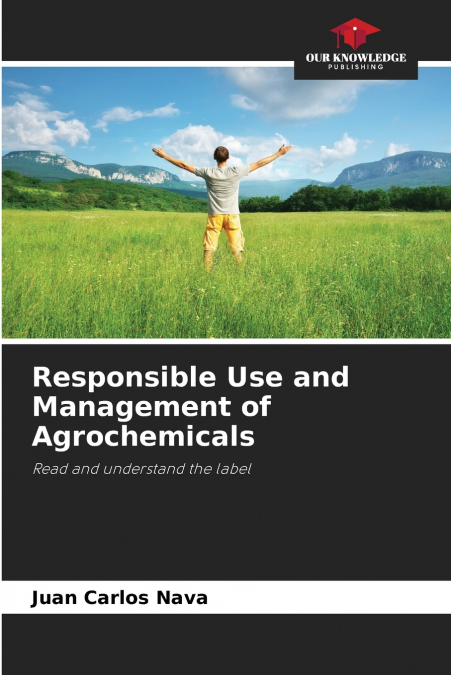
    Uso y manejo responsable de agroquímicos is a work product of the author’s experiences (undergraduate and graduate professor, with research and extension projects), aimed at producers, companies, professionals, students, advisors, researchers, among others.Due to its structure and content, it is expected to be a valuable aid to all people directly or indirectly involved in the ...
    Disponible

    49,45 €

  • Hope in the Soil
    Ellen G White
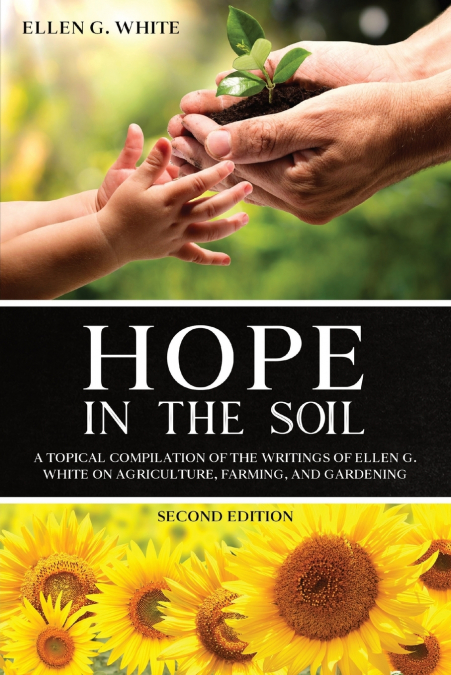
    Before edible classrooms began 'sprouting' in elementary schools, before buzzwords like 'sustainable agriculture', 'organic,' or 'veganic' came into existence, an exceptional woman named Ellen G. White penned numerous letters and articles on the importance of farming, an outdoor life, and manual labor. Though often remembered for other things, Mrs. White was actively engaged in...
    Disponible

    18,38 €

  • The Green Revolution
    Binitha Sophine Emmanuel
    The Green Revolution, a transformative era in the annals of agriculture, emerged as a game-changing force during the mid-20th century, fundamentally reshaping the methodology of food production and steering the trajectory of global food security. Characterized by a sequence of technological breakthroughs, the Green Revolution aimed to substantially augment agricultural producti...
    Disponible

    53,23 €

  • Utilization of Stingless Bees, Tetragonula laeviceps (Smith)
    Dr. J. J. Pastagia / Dr. V. C. Gadhiya
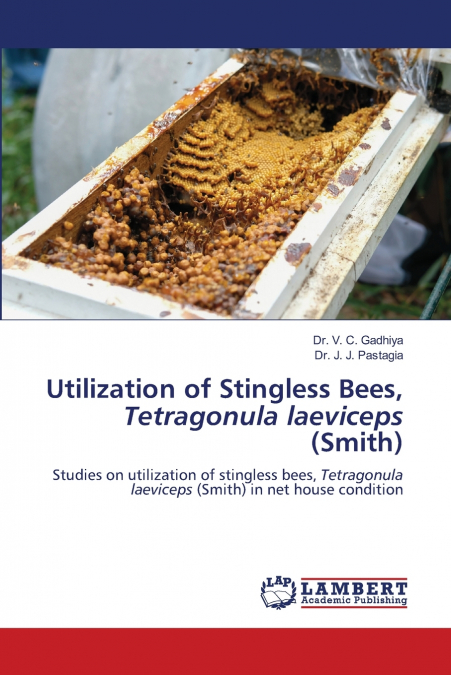
    The present investigations on utilization of stingless bees, T. laeviceps Smith in net house condition carried out with the broad aspects like flowers visited by stingless bees, T. laeviceps Smith, toxicity of insecticides to T. laeviceps Smith workers, floral biology of musk melon, foraging behavior of stingless bees, T. laeviceps Smith in net house condition, effect of pollin...
    Disponible

    84,80 €

  • La révolution verte
    Binitha Sophine Emmanuel
    La révolution verte, une ère transformatrice dans les annales de l’agriculture, est apparue comme une force qui a changé la donne au milieu du 20e siècle, remodelant fondamentalement la méthodologie de la production alimentaire et orientant la trajectoire de la sécurité alimentaire mondiale. Caractérisée par une série de percées technologiques, la révolution verte visait à augm...
    Disponible

    53,29 €

Otros libros del autor

  • Planowanie nawożenia azotem i potasem pszenicy (Triticum aestivum L.)
    B.S. Gohil / J.K. Kapadiya / R.K. Mathukia
    Pszenica jest drugim po ryżu najważniejszym pożywieniem podstawowym, spożywanym przez 65% ludności Indii. Nawozy odgrywają wiodącą rolę w zwiększaniu produkcji rolnej o prawie 41%. Wśród podstawowych składników odżywczych azot odgrywa ważną rolę w metabolizmie roślin, ponieważ jest niezbędnym składnikiem strukturalnym komórki i wielu różnorodnych związków aktywnych metaboliczni...
    Disponible

    83,16 €

  • Zeitplan für Stickstoff und Kalium bei Weizen (Triticum aestivum L.)
    B.S. Gohil / J.K. Kapadiya / R.K. Mathukia
    Weizen ist nach Reis das zweitwichtigste Grundnahrungsmittel und wird von 65 % der Bevölkerung Indiens verzehrt. Düngemittel spielen eine wichtige Rolle bei der Steigerung der Ernteerträge um fast 41 %. Unter den primären Nährstoffen spielt Stickstoff eine wichtige Rolle im Pflanzenstoffwechsel, da er ein wesentlicher Bestandteil der Zellstruktur und vieler verschiedener metabo...
    Disponible

    83,12 €

  • Programmation de l’azote et du potassium dans le blé (Triticum aestivum L.)
    B.S. Gohil / J.K. Kapadiya / R.K. Mathukia
    Le blé est le deuxième aliment de base le plus important après le riz, consommé par 65 % de la population indienne. Les engrais jouent un rôle prépondérant dans l’augmentation de la production agricole de près de 41 %. Parmi les principaux nutriments, l’azote joue un rôle important dans le métabolisme des plantes, car il est un constituant essentiel de la structure cellulaire e...
    Disponible

    83,15 €

  • Programmazione dell’azoto e del potassio nel grano (Triticum aestivum L.)
    B.S. Gohil / J.K. Kapadiya / R.K. Mathukia
    Il grano è il secondo alimento base più importante dopo il riso, consumato dal 65% della popolazione indiana. I fertilizzanti svolgono un ruolo fondamentale nell’aumento della produzione agricola di quasi il 41%. Tra i nutrienti primari, l’azoto svolge un ruolo importante nel metabolismo delle piante in quanto è un costituente essenziale della struttura cellulare e di molti tip...
    Disponible

    83,15 €