 Librería Samer Atenea
 Kálamo Books
 Librería Elías (Asturias)
 Librería Kolima (Madrid)
 Librería Proteo (Málaga)
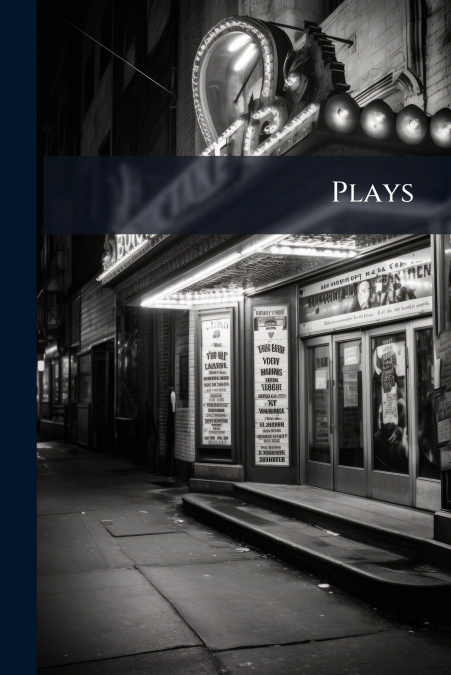
This collection presents four significant plays from the late 17th and early 18th centuries: 'The Wives Excuse,' 'The Maid’s Last Prayer,' 'The Fatal Marriage,' and 'Oroonoko.' These works represent a range of dramatic styles prevalent during the Restoration and early Georgian periods, offering insights into the social mores, ethical debates, and theatrical conventions of the time. Each play explores themes of love, betrayal, morality, and the complexities of human relationships within the context of its era.'The Wives Excuse' provides a witty commentary on marriage and infidelity, while 'The Maid’s Last Prayer' delves into themes of seduction and repentance. 'The Fatal Marriage' presents a tragic tale of love and loss, and 'Oroonoko', adapted from Aphra Behn’s novella, explores themes of slavery, freedom, and cultural clash. This collection provides a valuable resource for students and enthusiasts of English drama, offering a glimpse into the rich theatrical landscape of the 18th century.This work has been selected by scholars as being culturally important, and is part of the knowledge base of civilization as we know it. This work was reproduced from the original artifact, and remains as true to the original work as possible. Therefore, you will see the original copyright references, library stamps (as most of these works have been housed in our most important libraries around the world), and other notations in the work.This work is in the public domain in the United States of America, and possibly other nations. Within the United States, you may freely copy and distribute this work, as no entity (individual or corporate) has a copyright on the body of the work.As a reproduction of a historical artifact, this work may contain missing or blurred pages, poor pictures, errant marks, etc. Scholars believe, and we concur, that this work is important enough to be preserved, reproduced, and made generally available to the public. We appreciate your support of the preservation process, and thank you for being an important part of keeping this knowledge alive and relevant.