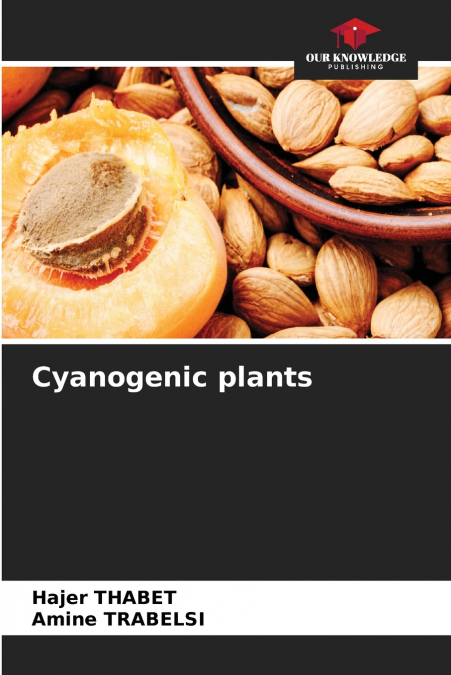

Plantas cianogénicas

Plantas cianogénicas

Amine Trabelsi / Hajer THABET

72,02 €
IVA incluido
Disponible
Editorial:
KS OmniScriptum Publishing
Año de edición:
2026
Materia
Farmacología
ISBN:
9786630135558
72,02 €
IVA incluido
Disponible

Selecciona una librería:

  • Librería Samer Atenea
  • Kálamo Books
  • Librería Elías (Asturias)
  • Librería Kolima (Madrid)
  • Librería Proteo (Málaga)

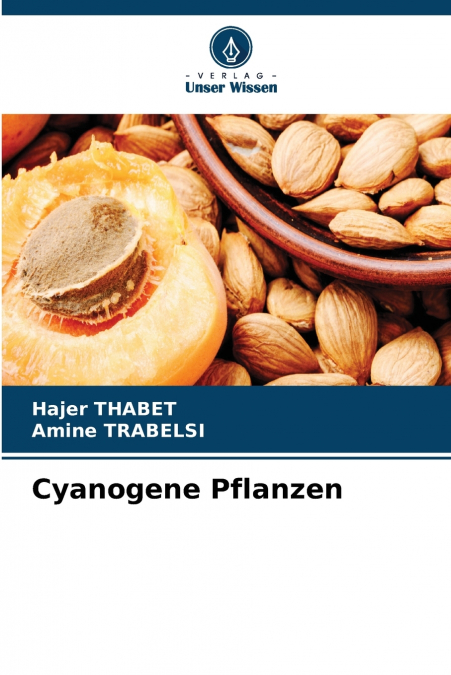
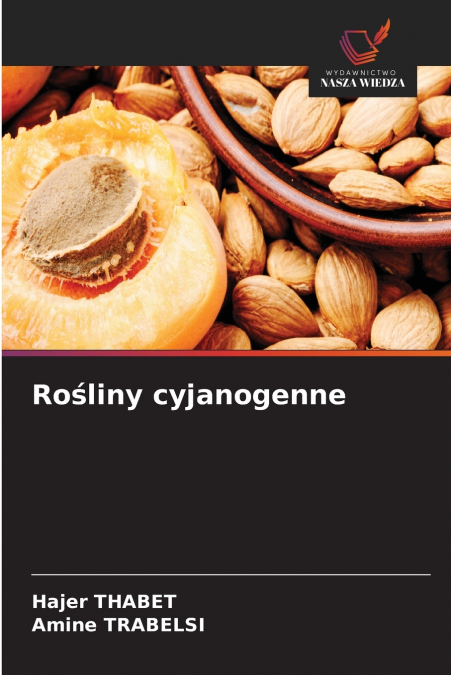
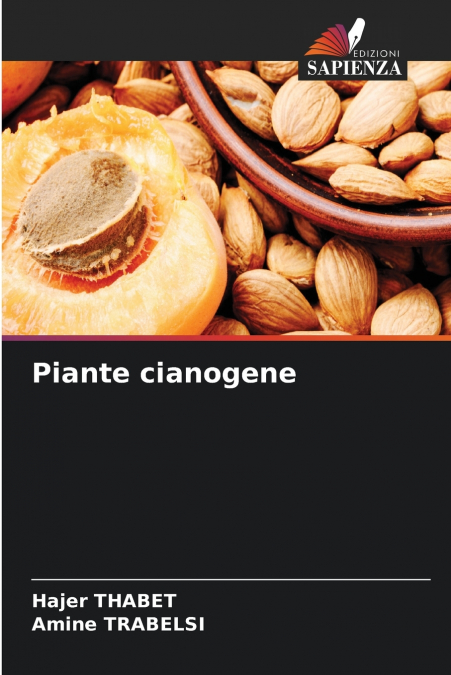
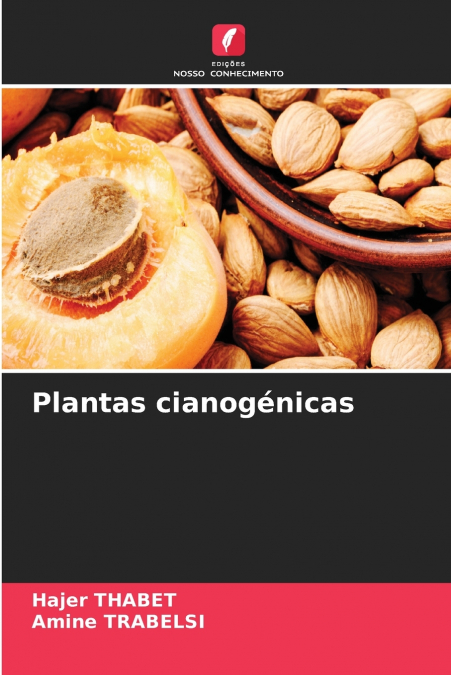
O cianeto está presente na Terra desde antes do aparecimento da vida. É libertado por uma variedade de fontes, incluindo certas plantas ditas 'cianogénicas'. Estas plantas armazenam moléculas precursoras conhecidas como glicosídeos cianogénicos.Mais de 3.000 espécies de plantas contêm-nas. As principais plantas cianogénicas são as Rosaceae (amêndoas amargas e loureiro-cereja), as Euphorbiaceae (mandioca) e as Poaceae (sorgo). Os seus órgãos (folhas, sementes, raízes) contêm glicosídeos cianogénicos específicos, como a amigdalina ou a linamarina.A intoxicação, aguda ou crónica, depende da dose ingerida. A toxicidade do cianeto resulta do seu bloqueio da cadeia respiratória mitocondrial, conduzindo a uma hipoxia celular fatal. Após a ingestão, o cianeto é rapidamente absorvido e metabolizado, principalmente no fígado, antes de ser eliminado pelos rins. A intoxicação aguda manifesta-se por dores de cabeça, hiperpneia seguida de hipopneia, convulsões e pode levar à paragem cardiorrespiratória.O conhecimento aprofundado das fontes, do mecanismo de ação e da toxicocinética do cianeto é crucial para a prevenção e a gestão eficaz do envenenamento.

Artículos relacionados

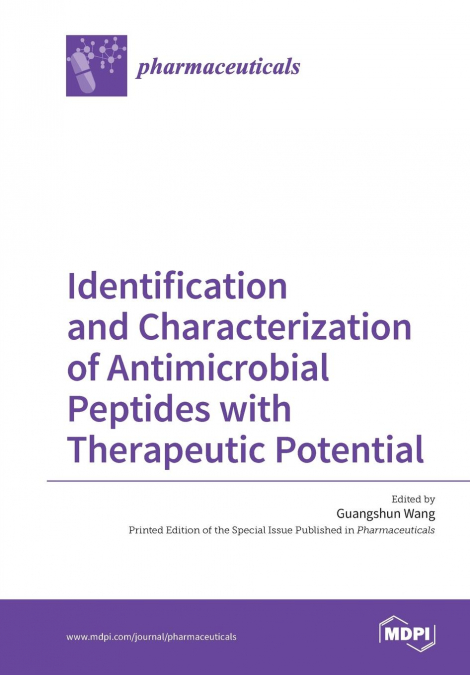
  • Identification and Characterization of Antimicrobial Peptides with Therapeutic Potential
    Guangshun Wang
    Antimicrobial peptides are key defense molecules adopted by all life forms to prevent infection. They also have other beneficial effects such as boosting immune response, anticancer, and wound healing. The antiviral effects of antimicrobial peptides have laid the foundations for developing new agents to combat seasonal Flu, HIV-1, RSV, Zika, and Ebola. This eBook is constructed...
    Disponible

    67,96 €

  • Mind Maps of Clinical Research Basics
    Amrita Akhouri
    The concepts of Clinical Research have been depicted through mind maps in this book which makes the subject fundamentals very easy to understand and convenient to revise. The chapter on career in clinical research gives an insight into the main job roles currently known in this field along with the focus on how to build preparedness for job interviews. Hence, this book will be ...
    Disponible

    25,42 €

  • Marine Polysaccharides Volume 2
    Paola Laurienzo
    The field of marine polysaccharides is constantly evolving, due to progress in the discovery and production of new marine polysaccharides. Seaweed remains the most abundant source of polysaccharides, but recent advances in biotechnology have allowed the production of large quantities of polysaccharides from a variety of micro-algae, by controlling growth conditions and tailorin...
    Disponible

    75,84 €

  • Marine Polysaccharides Volume 3
    Paola Laurienzo
    The field of marine polysaccharides is constantly evolving, due to progress in the discovery and production of new marine polysaccharides. Seaweed remains the most abundant source of polysaccharides, but recent advances in biotechnology have allowed the production of large quantities of polysaccharides from a variety of micro-algae, by controlling growth conditions and tailorin...
    Disponible

    116,84 €

  • Herbs Used for Hair Growth
    Devi Raman / V. Varalakshmi
    Natural medicine has many benefits, from nourishing the scalp to stimulating hair follicles. Some popular herbs that aid hair growth include rosemary, ginseng, aloe vera, and fenugreek. Each plant has unique properties that help strengthen hair, prevent breakage, and promote growth, healthy growth. Of course, many herbs are popular for their beneficial effects in promoting hair...
    Disponible

    54,32 €

  • Novel Anti-proliferative Agents
    Valentina Onnis
    This Special Issue of Pharmaceuticals presented the recent findings on antiproliferative compounds and highlighted possible routes to discover new drugs used to treat cancer. In this Special Issue, different studies on kinase and methyltransferase-like proteins 3 inhibitors and compounds capable of altering the tumor microenvironment or acting at the mitotic stage of the cell c...

Otros libros del autor

  • Cyanogenic plants
    Amine Trabelsi / Hajer THABET
    Cyanide has been present on Earth since before the appearance of life. It is released from a variety of sources, including certain 'cyanogenic' plants. These plants store precursor molecules known as cyanogenic glycosides.Over 3,000 plant species contain them. The main cyanogenic plants are Rosaceae (bitter almonds and cherry laurel), Euphorbiaceae (cassava) and Poaceae (sorghu...
    Disponible

    71,96 €

  • Cyanogene Pflanzen
    Amine Trabelsi / Hajer THABET
    Cyanid gibt es auf der Erde schon seit der Zeit, bevor es Leben gab. Es wird aus verschiedenen Quellen freigesetzt, darunter auch aus bestimmten Pflanzen, die als 'cyanogen' bezeichnet werden. Diese speichern Vorläufermoleküle, die sogenannten cyanogenen Glykoside.Mehr als 3000 Pflanzenarten enthalten sie. Die wichtigsten cyanogenen Pflanzen sind die Rosaceae (Bittermandeln und...
    Disponible

    72,08 €

  • Rośliny cyjanogenne
    Amine Trabelsi / Hajer THABET
    Cyjanek jest obecny na Ziemi od czasów przed pojawieniem się życia. Jest on uwalniany z różnych źródeł, w tym z niektórych tak zwanych roślin 'cyjanogennych'. Rośliny te przechowują cząsteczki prekursorowe znane jako glikozydy cyjanogenne.Zawiera je ponad 3000 gatunków roślin. Główne rośliny cyjanogenne to Rosaceae (gorzkie migdały i laur wiśniowy), Euphorbiaceae (maniok) i Poa...
    Disponible

    72,02 €

  • Piante cianogene
    Amine Trabelsi / Hajer THABET
    Il cianuro è presente sulla Terra da prima della comparsa della vita. Viene rilasciato da diverse fonti, tra cui alcune piante cosiddette 'cianogene'. Queste piante conservano molecole precursori note come glicosidi cianogenici.Più di 3.000 specie di piante li contengono. Le principali piante cianogene sono le Rosaceae (mandorle amare e alloro), le Euphorbiaceae (manioca) e le ...
    Disponible

    72,02 €

  • Plantes cyanogènes
    Amine Trabelsi / Hajer THABET
    Le cyanure est présent sur Terre depuis avant l’apparition de la vie. Il est libéré par diverses sources, dont certaines plantes dites cyanogènes . Celles-ci stockent des molécules précurseurs, les glycosides cyanogènes.Plus de 3000 espèces végétales en contiennent. Les principales plantes cyanogènes sont les Rosaceae (amandes amères et laurier-cerise), les Euphorbiaceae (mani...
    Disponible

    72,39 €