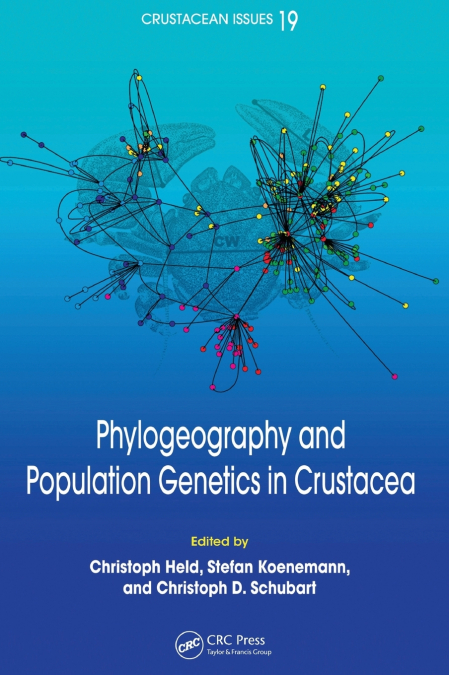

Phylogeography and Population Genetics in Crustacea

Phylogeography and Population Genetics in Crustacea


224,54 €
IVA incluido
Consulta disponibilidad
Editorial:
Taylor & Francis Ltd
Año de edición:
2011
Materia
Evolución
ISBN:
9781439840733

Selecciona una librería:

  • Librería Samer Atenea
  • Librería Aciertas (Toledo)
  • Kálamo Books
  • Librería Perelló (Valencia)
  • Librería Elías (Asturias)
  • Donde los libros
  • Librería Kolima (Madrid)
  • Librería Proteo (Málaga)

Recently, technological progress and the rise of DNA barcoding efforts have led to a significant increase in the availability of molecular datasets on intraspecific variability. Carcinologists and other organismal biologists, who want to use molecular tools to investigate patterns on the scale of populations, face a bewildering variety of genetic markers, analytical methods, and computer programs from which to choose. A modern overview of population genetic and phylogeographic studies, Phylogeography and Population Genetics in Crustacea offers insights to guide research on intraspecific genetic variation in crustaceans.Combining theory and case studies of current best practices, the book helps researchers select methods of analysis and interpret their results. The theoretical chapters discuss the potential of currently used and upcoming molecular markers in the context of marine non-model species. They also gather practical tips and address the effect of seldom-discussed sources of error, such as spatial and temporal variation, stochasticity, and choice of statistical parameters. Case studies of marine and limnic crustaceans from around the world highlight the importance and diversity of sources of population structure in intraspecific variation. Written by an international team of 46 leading experts, the book showcases the use and analysis of molecular markers, including mitochondrial and nuclear DNA sequence data, coding and non-coding sequences, microsatellites, and cytogenetics. It gives researchers and students a valuable summary of current knowledge on the processes that shape genetic variability and geographic distribution patterns in space and time. 
Artículos relacionados

  • From Logos to Bios
    Wynand de Beer
    ...
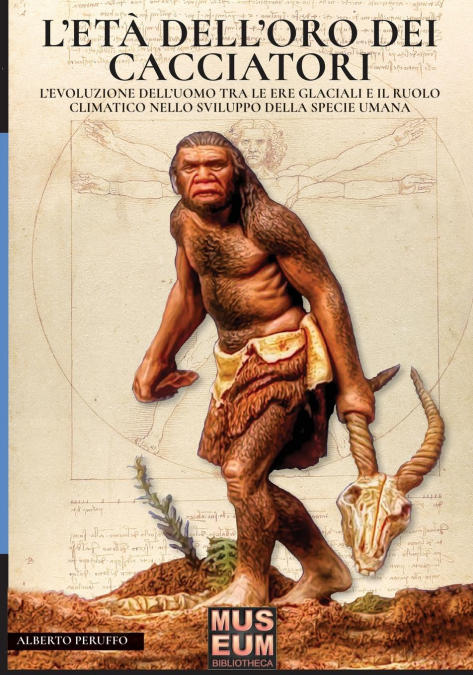
  • L’età dell’oro dei cacciatori
    Alberto Peruffo
    L'universo, il pianeta Terra, l'uomo. L'avventura della specie umana si dipana lentamente dall'essere unicellulare fino all'uomo dei giorni nostri che, tra mille travagli, ha raggiunto la condizione di assoluta supremazia.La presenza nell'uomo moderno dei geni del DNA dell'uomo di Neanderthal ha chiarito che, questi antichi uomini, facevano parte, a ...
    Disponible

    40,53 €

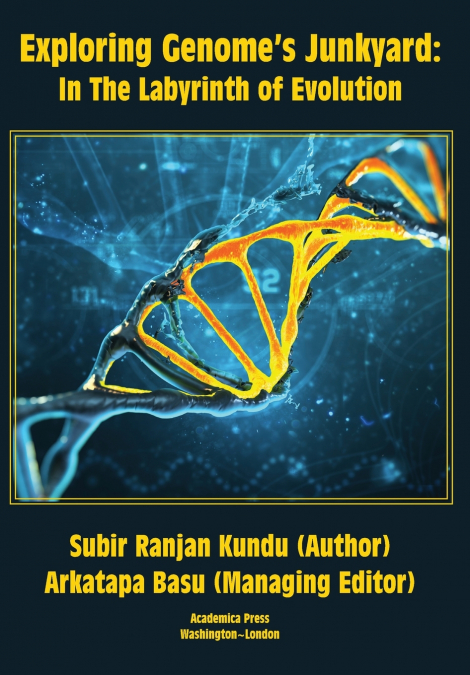
  • Exploring Genome’s Junkyard
    Subir Ranjan Kundu
    Exploring Genome’s Junkyard: In the Labyrinth of Evolution narrates the progress of biological evolution, beginning with the conceptual introspection of gene and continuing with the contemporary understanding of the structural and function aspects of the human genome. Recent advances in human genome research have led scientists to the term 'biological dark matter,' which refers...
  • European Hair, Eye, and Skin Color
    Peter Frost
    Europeans, especially those from northern and eastern Europe, are unique in having diverse hair and eye colors and a skin almost as pale as an albino’s. Those colors are not only brighter than the original black and brown but also 'purer'-they lie within thin slices of the visible spectrum. Overall, that color scheme is more developed in women, who naturally have a higher incid...
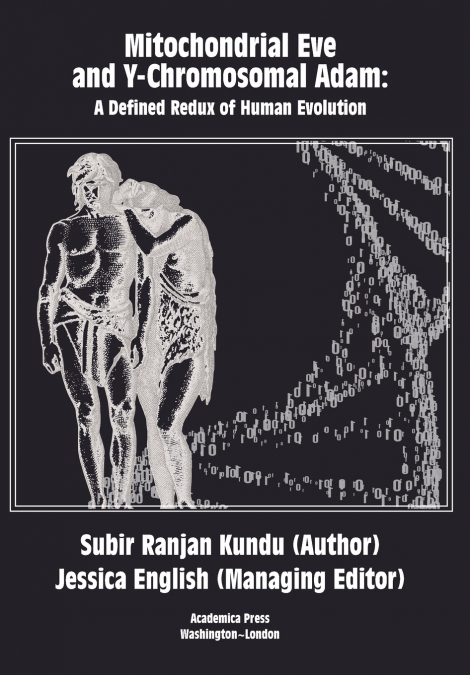
  • Mitochondrial Eve and Y-Chromosomal Adam
    Subir Ranjan Kundu
    Mitochondrial Eve and Y-Chromosomal Adam discusses theoretical ideas, interpretations, and paleontological evidence to narrate the origin and evolutionary story of Sapiens through the transitional stages of archaic human species involved in the evolutionary pilgrimage, from the great apes and to modern humans. Author Subir Ranjan Kundu investigates the DNA footprints of primate...
  • When Evolution Stops
    Armando Simon
    Evolution is a fact. The evidence for it is simply overwhelming. However, the original mechanism that generates the evolutionary process, as first put forth simultaneously by Charles Darwin and Alfred R. Wallace and which became known as Natural Selection, has now been seen to be too simplistic by some scientists aside from the hard-core neo-Darwinists who insist that nothing w...
    Disponible

    28,77 €