Inicio > Matemáticas y ciencia > Biologia, ciencias de la vida > Botánica y ciencias de las plantas > Ocimum basilicum L. Produktion, einige landwirtschaftliche Techniken
Ocimum basilicum L. Produktion, einige landwirtschaftliche Techniken

Ocimum basilicum L. Produktion, einige landwirtschaftliche Techniken

ARVIND KUMAR / Dildar Husain / Zafar Abbas

97,39 €
IVA incluido
Disponible
Editorial:
KS OmniScriptum Publishing
Año de edición:
2025
Materia
Botánica y ciencias de las plantas
ISBN:
9786208964832
97,39 €
IVA incluido
Disponible

Selecciona una librería:

  • Librería Samer Atenea
  • Librería Aciertas (Toledo)
  • Kálamo Books
  • Librería Perelló (Valencia)
  • Librería Elías (Asturias)
  • Donde los libros
  • Librería Kolima (Madrid)
  • Librería Proteo (Málaga)

„Ocimum basilicum L. (Süßbasilikum) ist eine wirtschaftliche tropische und subtropische Heilpflanze und eine wichtige Quelle für ätherische Öle in Indien. Die Blätter, gefolgt von den Blütenständen und Stängeln, sind die reichhaltigste Quelle für ätherische Öle, hauptsächlich Eugenol, Methylchavicol und Linalool. Es ist eine wertvolle Quelle für die traditionelle Medizin, und die Menschen in Entwicklungsländern sind für ihre primäre Gesundheitsversorgung vollständig davon abhängig, da die Pflanze stomatal, antihelminthisch, fiebersenkend, schweißtreibend, schleimlösend, karminativ, stimulierend und schleimlösend wirkt. Außerdem ist sie eine Quelle für Aromastoffe und ätherische Öle, die Wirkstoffe enthalten, die insektenabwehrend, nematizid, antibakteriell und antimykotisch wirken, sowie gegen Übelkeit und als Antioxidantien. Zur Verbesserung des Krautertrags und des Gehalts an ätherischen Ölen wurde der Einfluss von Stickstoff in einer Menge von 50 kg N/ha, der mit verschiedenen Methoden und aus verschiedenen Quellen ausgebracht wurde, getestet (Versuch 1). Außerdem wurde der Einfluss verschiedener Aussaatzeiten und Bestandsdichten (Aussaatmengen) auf den Krautertrag und den Gehalt an ätherischen Ölen untersucht (Versuch 2). Alle Versuche sind in diesem Buch ausführlich beschrieben. Die vollständige Ausbringung von Stickstoff in Form von Diammoniumphosphat erwies sich als deutlich am besten.
Artículos relacionados

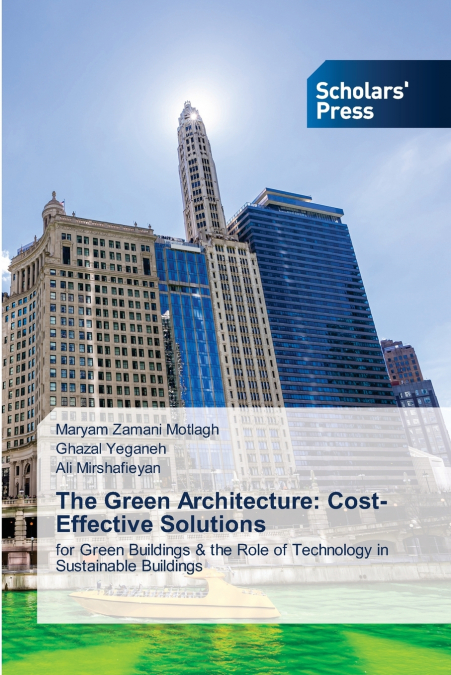
  • The Green Architecture
    Ali Mirshafieyan / Ghazal Yeganeh / Maryam Zamani Motlagh
    Protecting green energy as well as non-renewable energy, as well as their sustainable use, many advances in the technology of extracting oil products and other reserves under the ground have caused many improvements. In this regard, proposing the design of buildings in which the consumption of fossil fuels reaches its lowest level is considered one of the important solutions in...
    Disponible

    82,54 €

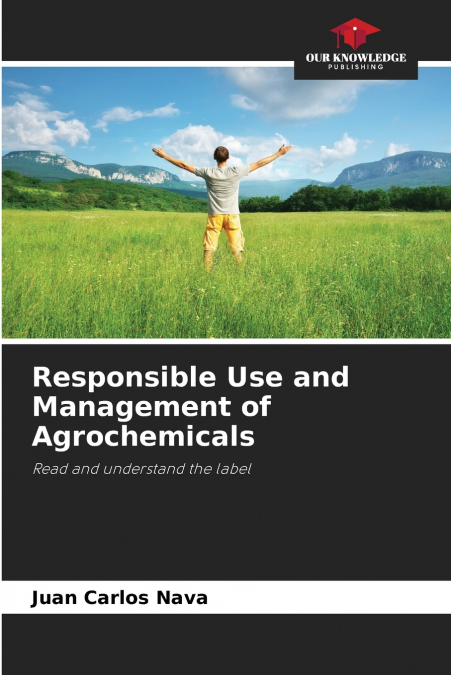
  • Responsible Use and Management of Agrochemicals
    Juan Carlos Nava
    Uso y manejo responsable de agroquímicos is a work product of the author’s experiences (undergraduate and graduate professor, with research and extension projects), aimed at producers, companies, professionals, students, advisors, researchers, among others.Due to its structure and content, it is expected to be a valuable aid to all people directly or indirectly involved in the ...
    Disponible

    49,45 €

  • Hope in the Soil
    Ellen G White
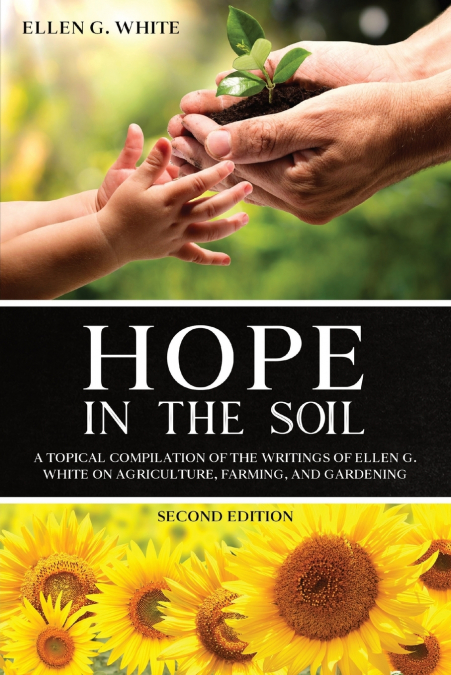
    Before edible classrooms began 'sprouting' in elementary schools, before buzzwords like 'sustainable agriculture', 'organic,' or 'veganic' came into existence, an exceptional woman named Ellen G. White penned numerous letters and articles on the importance of farming, an outdoor life, and manual labor. Though often remembered for other things, Mrs. White was actively engaged in...
    Disponible

    18,38 €

  • The Green Revolution
    Binitha Sophine Emmanuel
    The Green Revolution, a transformative era in the annals of agriculture, emerged as a game-changing force during the mid-20th century, fundamentally reshaping the methodology of food production and steering the trajectory of global food security. Characterized by a sequence of technological breakthroughs, the Green Revolution aimed to substantially augment agricultural producti...
    Disponible

    53,23 €

  • Utilization of Stingless Bees, Tetragonula laeviceps (Smith)
    Dr. J. J. Pastagia / Dr. V. C. Gadhiya
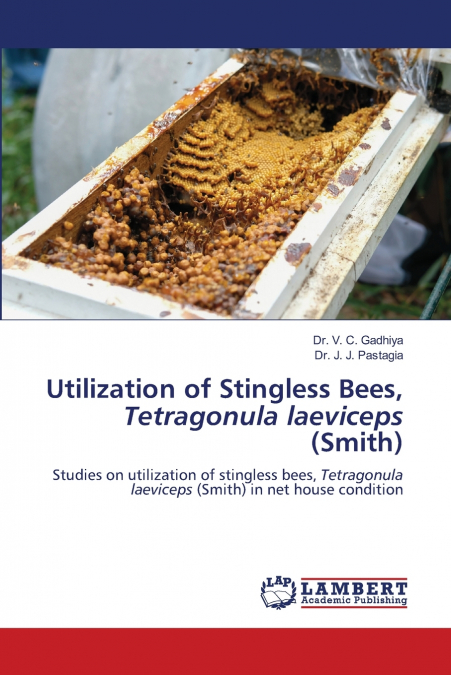
    The present investigations on utilization of stingless bees, T. laeviceps Smith in net house condition carried out with the broad aspects like flowers visited by stingless bees, T. laeviceps Smith, toxicity of insecticides to T. laeviceps Smith workers, floral biology of musk melon, foraging behavior of stingless bees, T. laeviceps Smith in net house condition, effect of pollin...
    Disponible

    84,80 €

  • La révolution verte
    Binitha Sophine Emmanuel
    La révolution verte, une ère transformatrice dans les annales de l’agriculture, est apparue comme une force qui a changé la donne au milieu du 20e siècle, remodelant fondamentalement la méthodologie de la production alimentaire et orientant la trajectoire de la sécurité alimentaire mondiale. Caractérisée par une série de percées technologiques, la révolution verte visait à augm...
    Disponible

    53,29 €

Otros libros del autor

  • Ocimum basilicum L. Production, quelques techniques agricoles
    ARVIND KUMAR / Dildar Husain / Zafar Abbas
    Ocimum basilicum L. (basilic) est une plante médicinale tropicale et subtropicale économique et une culture oléagineuse essentielle en Inde. Les feuilles, suivies de l’inflorescence et de la tige, sont la source la plus riche en huile essentielle, principalement composée d’eugénol, de méthyl chavicol et de linalol. C’est une source précieuse de médecine traditionnelle et les po...
    Disponible

    97,39 €

  • Ocimum basilicum L. Produção, algumas técnicas agrícolas
    ARVIND KUMAR / Dildar Husain / Zafar Abbas
    'Ocimum basilicum L. (manjericão) é uma erva medicinal tropical e subtropical económica e uma cultura produtora de óleo essencial da Índia. As folhas, seguidas pela inflorescência e pelo caule, são a fonte mais rica de óleo essencial, principalmente eugenol, metil chavicol e linalol. É uma fonte valiosa da medicina tradicional e as populações dos países em desenvolvimento depen...
    Disponible

    97,40 €

  • Ocimum basilicum L. Produkcja, niektóre techniki rolnicze
    ARVIND KUMAR / Dildar Husain / Zafar Abbas
    „Ocimum basilicum L. (bazylia słodka) to ekonomiczna tropikalna i subtropikalna roślina lecznicza oraz roślina olejowa uprawiana w Indiach. Liście, a następnie kwiatostany i łodygi są najbogatszym źródłem olejku eterycznego, zawierającego głównie eugenol, metychawikol i linalool. Jest cennym źródłem tradycyjnej medycyny, a mieszkańcy krajów rozwijających się są całkowicie uzale...
    Disponible

    97,40 €

  • Ocimum basilicum L. Produzione, alcune tecniche agricole
    ARVIND KUMAR / Dildar Husain / Zafar Abbas
    'L’Ocimum basilicum L. (basilico dolce) è un’erba medicinale tropicale e subtropicale economica e una coltura oleaginosa essenziale dell’India. Le foglie, seguite dall’infiorescenza e dal gambo, sono la fonte più ricca di olio essenziale, principalmente eugenolo, metil chavicol e linalolo. È una preziosa fonte di medicina tradizionale e le popolazioni dei paesi in via di svilup...
    Disponible

    97,40 €