 Librería Samer Atenea
 Kálamo Books
 Librería Elías (Asturias)
 Librería Kolima (Madrid)
 Librería Proteo (Málaga)
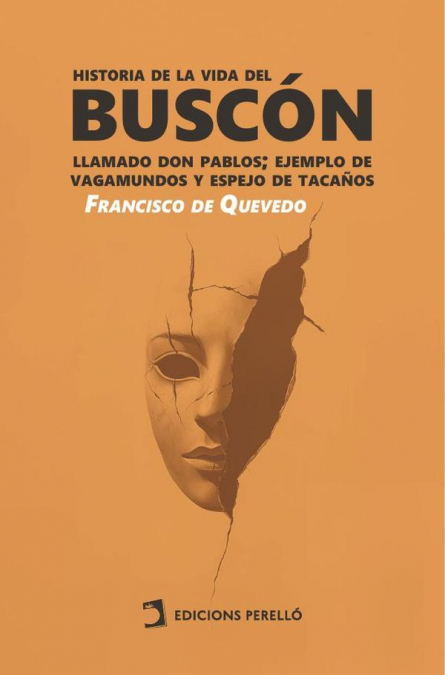
This volume presents a collection of the humorous works by the celebrated Spanish author Francisco de Quevedo, part of a larger set. Quevedo, a prominent figure of the Spanish Golden Age, is renowned for his sharp wit, satirical prowess, and mastery of the Spanish language. These Obras Jocosas (Humorous Works) showcase Quevedo’s talent for crafting clever and often biting social commentary through poetry and prose. Readers will find a diverse range of satirical pieces that lampoon various aspects of 17th-century Spanish society, from the foibles of the aristocracy to the absurdities of everyday life. Quevedo’s unique style, characterized by wordplay, irony, and inventive use of language, makes these works both entertaining and intellectually stimulating. This collection offers valuable insights into the cultural and literary landscape of Golden Age Spain, presented through the lens of one of its most astute and humorous observers.This work has been selected by scholars as being culturally important, and is part of the knowledge base of civilization as we know it. This work was reproduced from the original artifact, and remains as true to the original work as possible. Therefore, you will see the original copyright references, library stamps (as most of these works have been housed in our most important libraries around the world), and other notations in the work.This work is in the public domain in the United States of America, and possibly other nations. Within the United States, you may freely copy and distribute this work, as no entity (individual or corporate) has a copyright on the body of the work.As a reproduction of a historical artifact, this work may contain missing or blurred pages, poor pictures, errant marks, etc. Scholars believe, and we concur, that this work is important enough to be preserved, reproduced, and made generally available to the public. We appreciate your support of the preservation process, and thank you for being an important part of keeping this knowledge alive and relevant.