
Inicio > Medicina > Otras ramas de la medicina > Farmacología > Toxicología médica > Nutritional and Toxicological Consequences of Food Processing
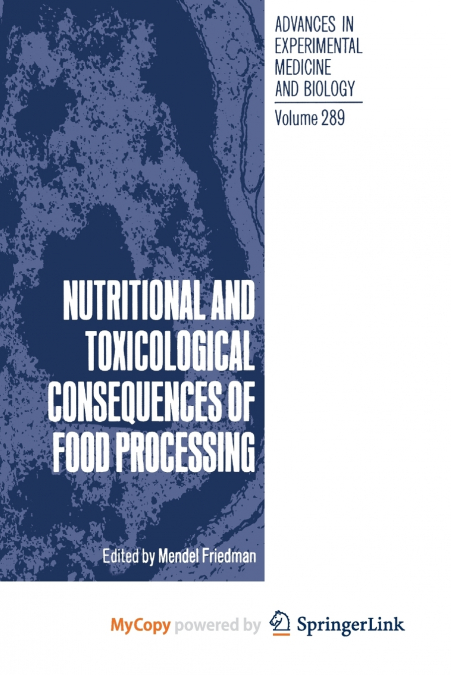
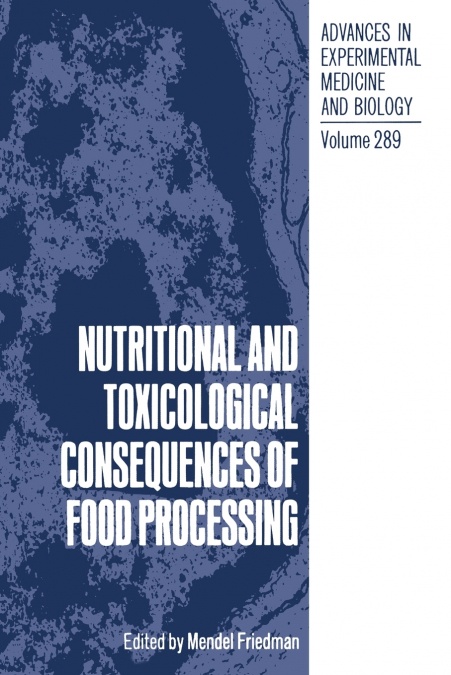
Nutritional and Toxicological Consequences of Food Processing

Nutritional and Toxicological Consequences of Food Processing

Mendel Friedman

266,54 €
IVA incluido
Consulta disponibilidad
Editorial:
Springer Nature B.V.
Año de edición:
1991
Materia
Toxicología médica
ISBN:
9780306438912

Selecciona una librería:

  • Librería Samer Atenea
  • Librería Aciertas (Toledo)
  • Kálamo Books
  • Librería Perelló (Valencia)
  • Librería Elías (Asturias)
  • Donde los libros
  • Librería Kolima (Madrid)
  • Librería Proteo (Málaga)

A variety of processing methods are used to make foods edible; to pennit storage; to alter texture and flavor; to sterilize and pasteurize food; and to destroy microorganisms and other toxins. These methods include baking, broiling, cooking, freezing, frying, and roasting. Many such efforts have both beneficial and harmful effects. It is a paradox of nature that the processing of foods can improve nutrition, quality, safety, and taste, and yet occasionally lead to the formation of anti-nutritional and toxic compounds. These multifaceted consequences of food processing arise from molecular interactions among nutrients with each other and with other food ingredients. Since beneficial and adverse effects of food processing are of increasing importance to food science, nutrition, and human health, and since many of the compounds formed have been shown to be potent carcinogens and growth inhibitors in animals, I organized a symposium broadly concerned with the nutritional and toxicological consequences of food processing. The symposium was sponsored by the American Institute of Nutrition (AIN) -Federation of American Societies for Experimental Biology (FASEB) for its annual meeting in Washington, D.C., April 1-5, 1990. Invited speakers were asked to develop at least one of the following topics: 1. Nutrient-nonnutrient interactions between amino acids, proteins, carbohydrates, lipids, minerals, vitamins, tannins, fiber, natural toxicants, etc. 2. Effects of radiation. 3. Thermally induced formation of dietary mutagens, antimutagens, carcinogens, anticarcinogens, antioxidants, and growth inhibitors. 4. Effects of pH on nutritional value and safety.
Artículos relacionados

  • Bioactive Compounds Of Jaboticaba (Plinia Sp.)
    Flávio Alves Da Silva / Nara Rúbia Rodrigues Do Nascimento-Silva / Rodrigo Barbosa Monteiro Cavalcante
    The Whole Jaboticaba Fruit Stood Out For Its High Levels Of Total Polyphenols, Mainly Anthocyanins (Cyanidin And Delphinidin), Ellagic Acid, Methylellagic Acid, Gallic Acid, Myricetin, Quercetin, Castalagin, Pedunculagin And Vescalagin. When Evaluating The Behavior Of These Compounds After In Vitro Digestion, It Is Observed That Anthocyanins Did Not Suffer As Much In The Saliva...
    Disponible

    11,96 €

  • Obesidad, genética y entorno. El papel de la flexibilidad metabólica
    Fundación alimentación saludable
    Afortunadamente, gracias a la investigación, somos más conscientes de que la obesidad no es una patología que se deba en exclusiva a la desidia ola falta de voluntad del sujeto y que los mensajes de culpabilidad o estigmatización hacia los pacientes no sólo no ayudan a poner freno al sobrepeso, sino que pueden perjudicar seriamente su salud mental. También sabemos, y esto es mu...
    Disponible

    20,00 €

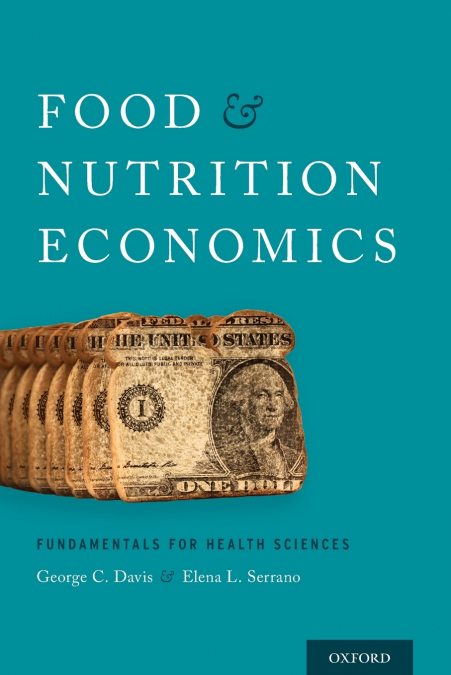
  • FOOD AND NUTRITION ECONOMICS P
    GEORGE C DAVIS
    ...
    Disponible

    118,89 €

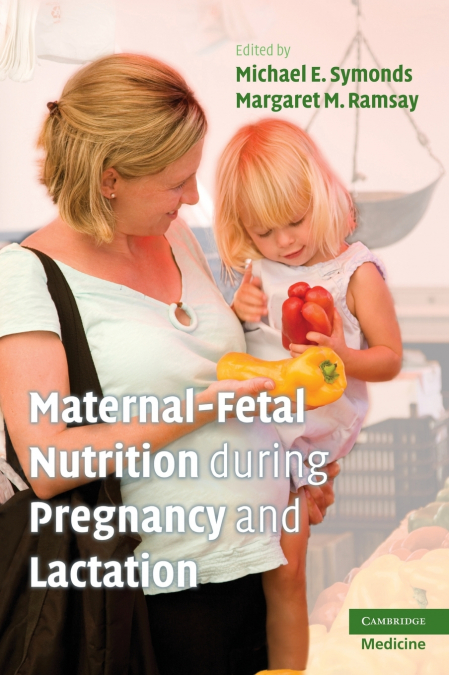
  • Maternal-Fetal Nutrition During Pregnancy and Lactation
    ...
  • The Myths About Nutrition Science
    David Lightsey
    The Myths About Nutrition Science provides an authoritative, yet readily understandable, overview of the common misunderstandings that are commonplace within consumer or athletic communities regarding the food production process and nutrition science, which may affect their physical development, performance, and long-term health ...
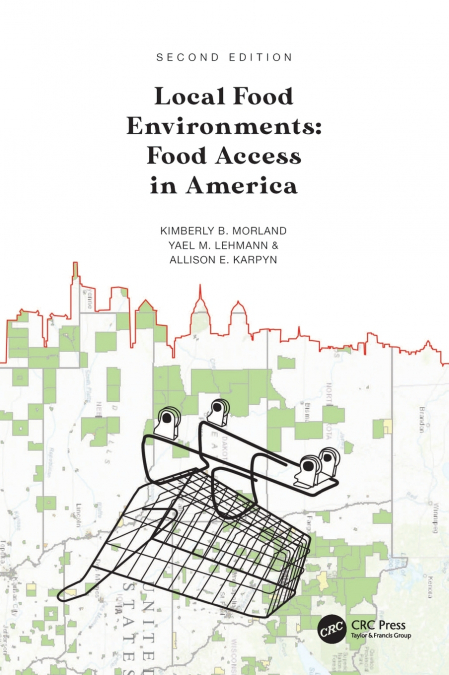
  • Local Food Environments
    Allison E. Karpyn / Kimberly B. Morland / Yael M. Lehmann
    This second edition contains four sections including (1) disparities between local food environments in the United States; (2) effect of restricted local food environments on dietary intake; (3) interventions to local food environment and their impact on communities; and (d) macro-level influence on the development of local food environments. ...

Otros libros del autor

  • Absorption and Utilization of Amino Acids
    Mendel Friedman
    Containing 45 papers written by outstanding international authors from 14 countries, this three-volume compendium brings together the elements needed to understand the factors which influence the utilization of amino acids. ...
  • Protein Crosslinking
    Mendel Friedman
    The word crosslinking implies durable combination of usually large, distinct elements at specific places to create a new entity that has different properties as a result of the union. In the case of proteins, such crosslinking often results in important changes in chemical, physical, functional, nutritional, and biome­ dical properties, besides physic...
    Disponible

    131,67 €

  • Nutritional and Toxicological Aspects of Food Safety
    Mendel Friedman
    Naturally occurring antinutrients and food toxicants, and those formed during food processing, adversely affect the nutri­ tional quality and safety of foods. Because of the need to improve food quality and safety by plant breeding, fortification with appropriate nutrients, and processing methods, and because of the growing concern about possible direct relationships between di...
    Disponible

    50,65 €

  • Protein Crosslinking
    Mendel Friedman
    The word crosslinking implies durable combination of usually large, distinct elements at specific places to create a new entity that has different properties as a result of the union. In the case of proteins, such crosslinking often results in important changes in chemical, physical, functional, nutritional, and biome­ dical properties, besides physical properties simply relate...
    Disponible

    45,60 €

  • Nutritional and Toxicological Consequences of Food Processing
    Mendel Friedman
    A variety of processing methods are used to make foods edible; to pennit storage; to alter texture and flavor; to sterilize and pasteurize food; and to destroy microorganisms and other toxins. These methods include baking, broiling, cooking, freezing, frying, and roasting. Many such efforts have both beneficial and harmful effects. It is a paradox of nature that the processing ...
    Disponible

    46,58 €

  • Nutritional and Toxicological Consequences of Food Processing
    Mendel Friedman
    A variety of processing methods are used to make foods edible; to pennit storage; to alter texture and flavor; to sterilize and pasteurize food; and to destroy microorganisms and other toxins. These methods include baking, broiling, cooking, freezing, frying, and roasting. Many such efforts have both beneficial and harmful effects. It is a paradox of ...
    Disponible

    267,91 €