
Inicio > Artes > Napoleon Bonaparte und der Russlandfeldzug
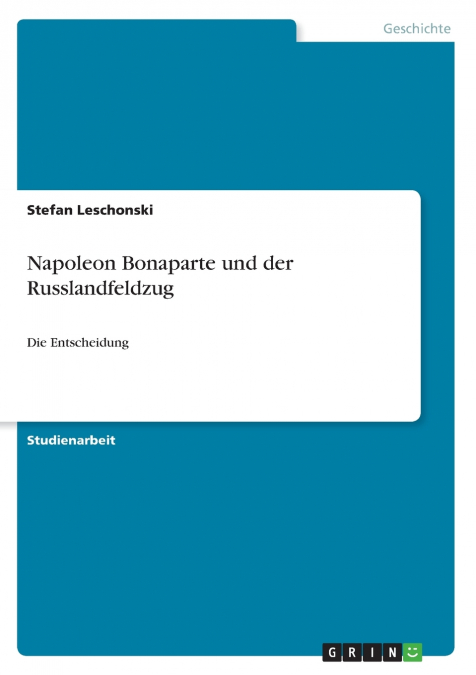
Napoleon Bonaparte und der Russlandfeldzug

Napoleon Bonaparte und der Russlandfeldzug

Stefan Leschonski

23,44 €
IVA incluido
Disponible
Editorial:
GRIN Verlag
Año de edición:
2011
Materia
Artes
ISBN:
9783640905010
23,44 €
IVA incluido
Disponible

Selecciona una librería:

  • Librería Samer Atenea
  • Librería Aciertas (Toledo)
  • Kálamo Books
  • Librería Perelló (Valencia)
  • Librería Elías (Asturias)
  • Donde los libros
  • Librería Kolima (Madrid)
  • Librería Proteo (Málaga)

Studienarbeit aus dem Jahr 2011 im Fachbereich Geschichte Europas - Neuzeit, Absolutismus, Industrialisierung, Note: 1,0, Helmut-Schmidt-Universität - Universität der Bundeswehr Hamburg (Interdisziplinärer Studienanteil), Veranstaltung: Grundlagen geschichtswissenschaftlicher Erkenntnis, Sprache: Deutsch, Abstract: Im Januar des Jahres 1811 hat Napoleon Bonaparte, französischer General und erster Kaiser, die Entscheidung gefällt, den Feldzug nach Russland zu beginnen und damit die Ostexpansion Frankreichs zu forcieren. So steht es zumindest in zahlreichen Büchern geschrieben, wie in „Napoleon und seine Zeit' von Luigi Roma. Hier wird sich auf den 31.12.1810 gestützt, denn an diesem Tage hat Napoleons „Widersacher' Zar Alexander I. die Kontinentalsperre aufgekündigt. Diesem Affront konnte Frankreich nur mit Krieg begegnen, womit obiges Datum als Napoleons Entscheidung für den Russlandfeldzug zu werten ist. In weiteren Schriften ist von völlig anderen Zeitpunkten für Napoleons Beschluss die Rede, wie dem 25.03.1811, welcher auf Briefwechseln zwischen Napoleon und Alexander basiert. Ferner kursiert sogar der August des Jahres 1811 als mögliches Datum. Da in der einschlägigen Literatur keine einheitliche Meinung bzgl. des Zeitpunkts von Napoleons Entscheidung vertreten ist, wird in der vorliegenden Hausarbeit die Forschungsfrage „Wann hat Napoleon Bonaparte beschlossen, den Russlandfeldzug durchzuführen?' im Fokus der Betrachtung stehen. Ziel ist also, die aktuellen Schriften bzgl. dieses Themenkomplexes zu sichten und deren An-sichten zu der obigen Arbeitshypothese zu präsentieren, damit letztlich eine Aussage getroffen werden kann, wann die Entscheidung Napoleons für den Russlandfeldzug fiel.Um diese Fragen hinreichend beantworten zu können, wird wie folgt vorgegangen: In Kapitel 2 wird der napoleonische Feldzug gen Russland behandelt. Dieser soll in Kürze in den historischen Gesamtkontext eingeordnet werden. Im Anschluss wird in Kapitel 3, dem Schwerpunkt dieser A
Artículos relacionados

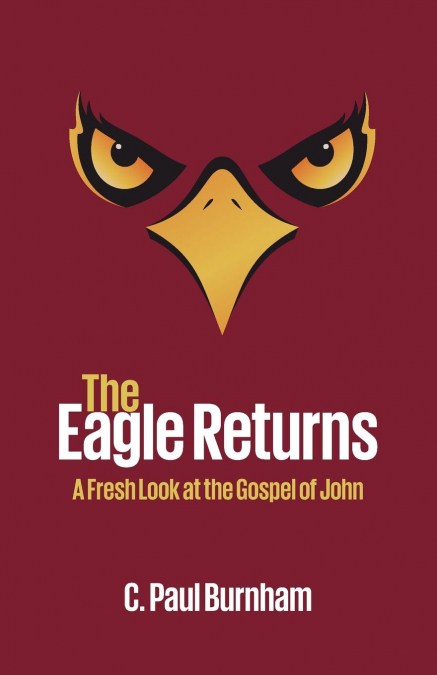
  • The Eagle Returns
    C. Paul Burnham / CPaul Burnham
    The Gospel of John was long assumed to be the work of an eyewitness, usually identified as John, son of Zebedee. More recently, many have judged it the unhistorical product of a ''Johannine community.'' Reconsideration by Richard Bauckham has suggested that the author was a Jerusalem disciple who housed the ''Last Supper.'' This book explores the possibility that he was present...
    Disponible

    11,04 €

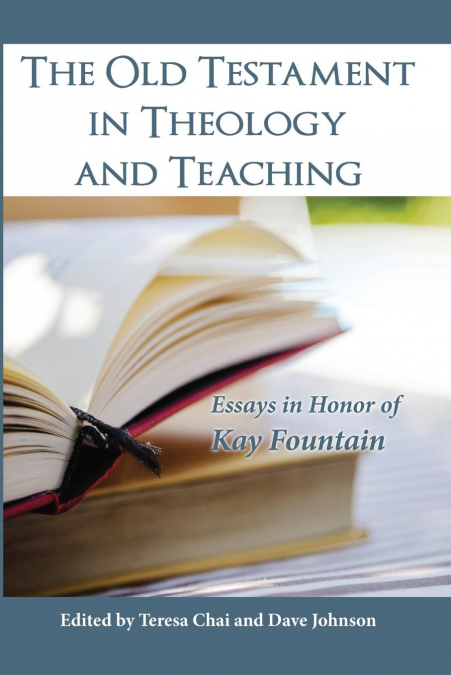
  • The Old Testament in Theology and Teaching
    APTS Press is privileged to offer this festschrift honoring Dr. Kay Fountain, who for more than twenty years has served the Lord at the Asia Pacific Theological Seminary (APTS), in Baguio City, Philippines, first as a student, then as a faculty member and finally as the Academic Dean. Our hope is that this book will reflect her passion for teaching and understanding the Old Tes...
    Disponible

    22,13 €

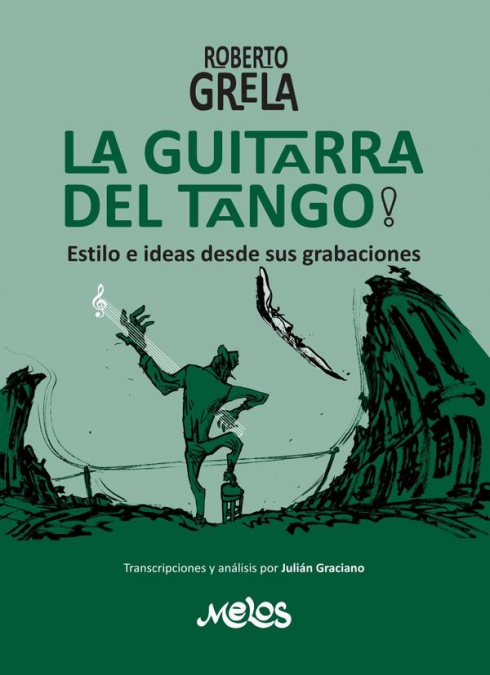
  • MEL4414 - Roberto Grela, La guitarra del tango
    Julián Graciano
    del mayor guitarrista de la historia del tango. Con solo percibir el empleo del plectro (la llamada púa de guitarra en nuestro canyengue) descubrimos un sonido y estilo tan particular que terminó por deslumbrar a todos. Pero si decimos “bastaría”, en potencial, es que nos debemos mucho más: suele decirse del gran Aníbal Troilo que su música y sus orquestas son la gran marca de ...
    Disponible

    29,64 €

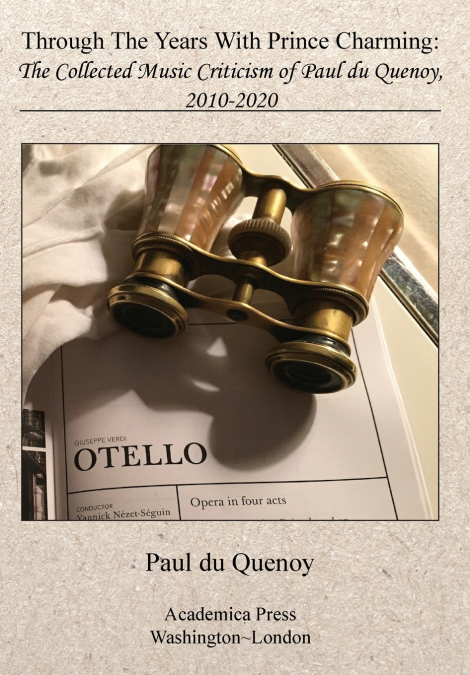
  • Through the years with prince charming
    Paul du Quenoy
    The past decade has overflowed in a raging stream of contradictions. Old certainties have yielded to relentless insecurity over a time when much of the human experience got immeasurably better even as many things only ever seemed to get worse. As Paul du Quenoy’s globetrotting criticism reveals, the arts were in a ferment that matched profound and yet totally unpredicted social...
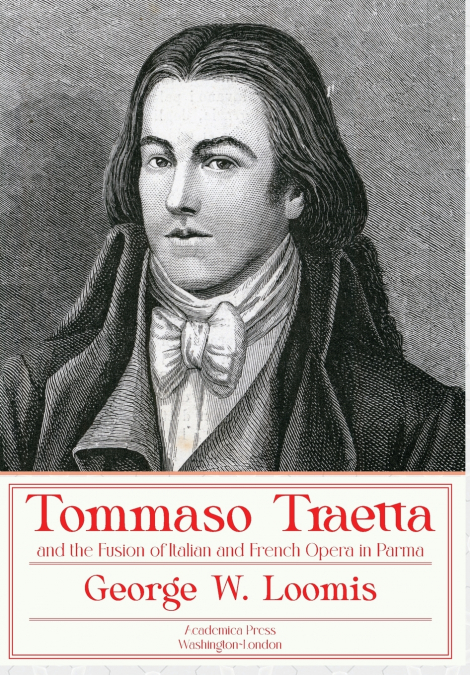
  • Tommaso Traetta and the Fusion of Italian and French Opera in Parma
    George W. Loomis
    In 1759, the court of the Italian Duchy of Parma adopted the inspiration of cultural creators who recommended a reform of Italian opera along French lines. These writers favored combining Italian-style music with the wider range of musical genres and scenic variety of French opera. As the music critic and commentator George W. Loomis shows in this groundbreaking volume, the you...
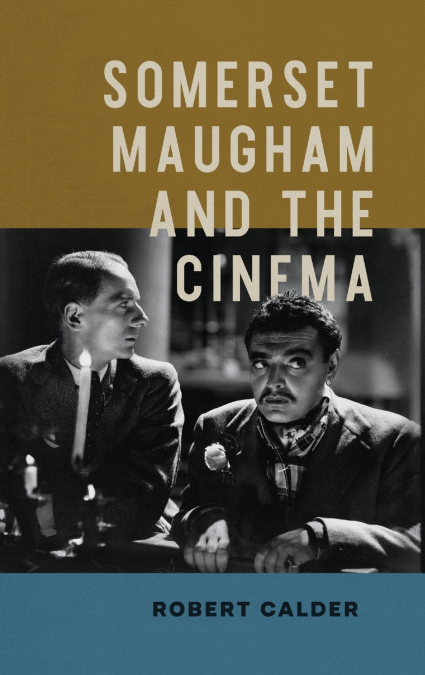
  • Somerset Maugham and the Cinema
    Robert Calder
    William Somerset Maugham (1874-1965) was one of the most prominent and productive authors of the twentieth century-and his works have been among the most cinematically transformed in history. For more than five decades, adaptations of his plays, stories, and novels dominated movie theaters and, later, television screens. More than ninety individual works were filmed, and for ma...