
Inicio > Humanidades > Historia > Historia regional y nacional > Historia de Asia > Micro-Performance During Postwar Japan’s High-Growth Era
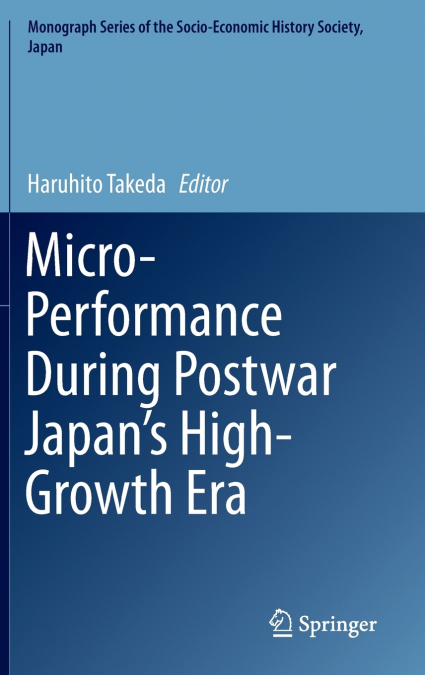
Micro-Performance During Postwar Japan’s High-Growth Era

Micro-Performance During Postwar Japan’s High-Growth Era

Haruhito Takeda

135,89 €
IVA incluido
Disponible
Editorial:
Springer Nature B.V.
Año de edición:
2018
Materia
Historia de Asia
ISBN:
9789811092329
135,89 €
IVA incluido
Disponible

Selecciona una librería:

  • Librería Desdémona
  • Librería Samer Atenea
  • Librería Aciertas (Toledo)
  • Kálamo Books
  • Librería Perelló (Valencia)
  • Librería Elías (Asturias)
  • Donde los libros
  • Librería Kolima (Madrid)
  • Librería Proteo (Málaga)

The aim of this book is to analyze Japan’s high-growth economy, in particular to clarify the kinds of changes in people’s lives that were generated by high growth. The present volume focuses not on the macro-economic mechanisms that expanded the scale of the economy, but on the micro-economic changes that were effected in everyday life. The emergence of a mass consumption society as a result of economic growth suggests that people’s lifestyles and consumer behavior changed in various ways. The first chapter focuses on the apparel industry’s expanding market as it corresponded to changes in consumer behavior. Even as consumer life became more comfortable and abundant, consumers were becoming uneasy about the environmental deterioration associated with high growth. The second chapter examines how the Japanese government addressed emissions regulations while drawing on the lessons of America’s experience with the same issue.The change in industrial structure brought about by economic growth inevitably resulted in the decline of other industries. Chief among these was the coal-mining industry, which, with the onset of a full-scale energy revolution, lost its role as energy supplier owing to the import of cheap crude oil. The third chapter discusses the government’s industrial policies as they addressed the coal industry’s adjustment in the high-growth era, concluding that they reduced such problems as stagnation, unemployment, and local industrial decline. The adjustments in employment practices contributed positively to the gradual shift of labor from declining industries to growth industries. The fourth chapter investigates changes in labor management in the steel industry, which was one of the high-growth era’s leading industries. This publication will serve as a valuable resource for those who are interested not only in the post-war history in Japan but also in high growth economies in recent East Asia.
Artículos relacionados

  • MEEGOOK
    Jeanhee Kang
    In November, 1982, Jesus asked Kang on the darkest night of her life, 'Why aren't you going to church?' Kang who had broken almost all of the Ten Commandments by age 25, questioned God in disbelief, 'Why me?', ' You must not know of my dark Past...'      Three years after the Korean War ends, Jeanhee Kang is born to poor rice farmers in a predominantly Buddhist culture. A b...
    Disponible

    11,03 €

  • The Art of War
    Sun tzu
    THE ART OF WAR is game theory from the year 514 B.C. This pure English translation lists the 13 Chapters in bare form for the reader to review and contemplate Sun Tzu’s teachings as it applies to their life. The book includes wisdom for any aspiring leader.Just as President Johnson controlled the Senate by controlling little steps of the process, THE ART OF WAR is divided into ...
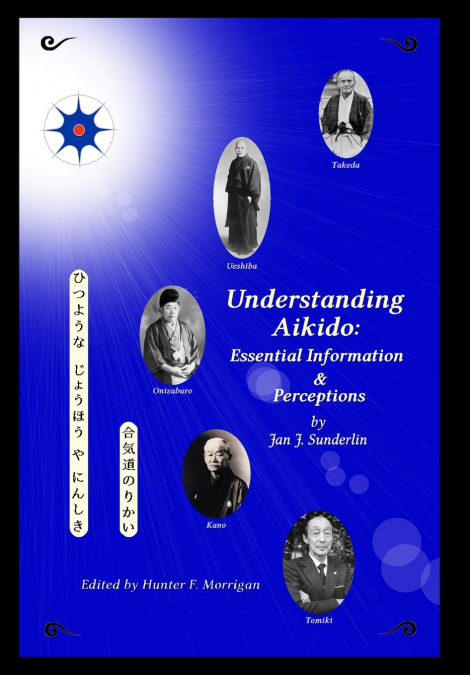
  • Understanding Aikido
    Jan J Sunderlin
    Understanding Aikido: Essential Information and Perceptions (Special Edition) presents an historical, cultural, and philosophical look at the development of the Japanese martial art of Aikido. Sunderlin focuses on the influences brought to bear on Morihei Ueshiba, the founder of Aikido, and the subsequent cultivation of the latter's martial art as a vessel of Budo. The author a...
    Disponible

    63,06 €

  • Living Dangerously in Korea
    Donald N. Clark
    Korea was “discovered” by the West after World War II when it became a flashpoint in the Cold War. Before the war, however, it was home to many hundreds of Westerners who experienced life there under Japanese colonial rule. These included missionaries who opened Korea as a field for evangelism, education, and medicine; speculators who risked much and reaped riches from mining c...
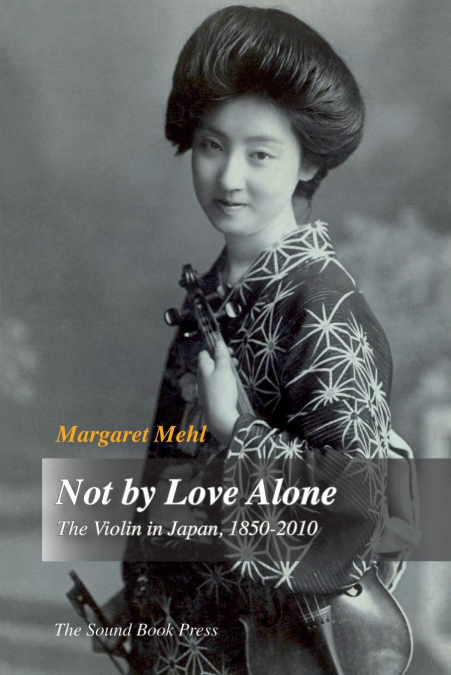
  • Not by Love Alone
    Margaret Mehl
    Suzuki Shin'ichi, the Tokyo String Quartet, Midori - How did Japanese violinists manage to revolutionize violin teaching, win international competitions, conquer Western concert stages, study at world-famous conservatoires and take up positions in leading orchestras and prestigious music faculties? What enabled the Japanese to master Western classical music within a few decades...
    Disponible

    29,32 €

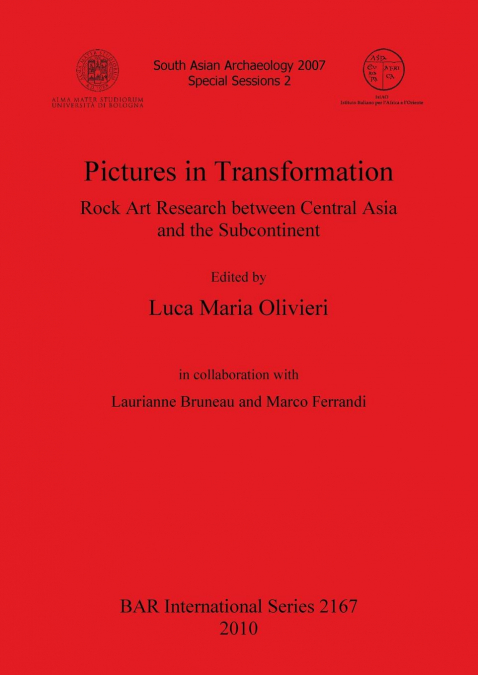
  • Pictures in Transformation
    Luca Maria Olivieri
    ...
    Disponible

    54,79 €

Otros libros del autor

  • Micro-Performance During Postwar Japan’s High-Growth Era
    Haruhito Takeda
    The aim of this book is to analyze Japan’s high-growth economy, in particular to clarify the kinds of changes in people’s lives that were generated by high growth. The present volume focuses not on the macro-economic mechanisms that expanded the scale of the economy, but on the micro-economic changes that were effected in everyday life. The emergence of a mass consumption socie...
    Disponible

    134,53 €