 Librería Samer Atenea
 Kálamo Books
 Librería Elías (Asturias)
 Librería Kolima (Madrid)
 Librería Proteo (Málaga)
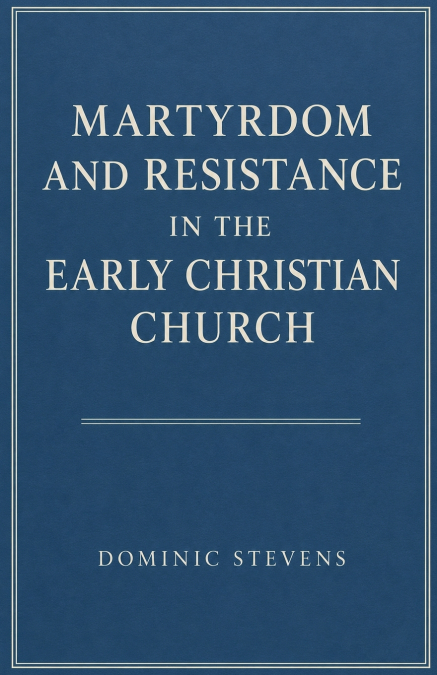
Few themes have exercised a more profound influence upon the history of Christianity than martyrdom. From the earliest decades of the movement that emerged around the life, death, and resurrection of Jesus of Nazareth, stories of suffering, steadfastness, and sacrificial witness occupied a central place in Christian self-understanding. Communities scattered across the cities and provinces of the Roman Empire preserved accounts of individuals who endured imprisonment, torture, exile, social exclusion, and execution rather than renounce their faith. These narratives were not merely records of tragic deaths. They became powerful expressions of identity, theology, memory, and resistance. Through them, Christians explained who they were, why they differed from the surrounding culture, and how they understood their place within history.The purpose of this book is to explore the relationship between martyrdom and resistance in the Christian communities of the first five centuries. It seeks to examine not only the historical reality of persecution and martyrdom but also the ways in which these experiences were interpreted, narrated, commemorated, and transformed over time. Martyrdom was never simply an event. It was a language through which Christians articulated faithfulness, negotiated authority, challenged political and religious expectations, and constructed collective memory. To understand early Christianity, therefore, it is necessary to understand the central role played by those who suffered and died for their beliefs and by the communities that remembered them.