Manuel d’entomologie

Manuel d’entomologie

Mahendrasinh Dabhi

48,57 €
IVA incluido
Disponible
Editorial:
KS OmniScriptum Publishing
Año de edición:
2025
Materia
Botánica y ciencias de las plantas
ISBN:
9786208681173
48,57 €
IVA incluido
Disponible

Selecciona una librería:

  • Librería Samer Atenea
  • Librería Aciertas (Toledo)
  • Kálamo Books
  • Librería Perelló (Valencia)
  • Librería Elías (Asturias)
  • Donde los libros
  • Librería Kolima (Madrid)
  • Librería Proteo (Málaga)

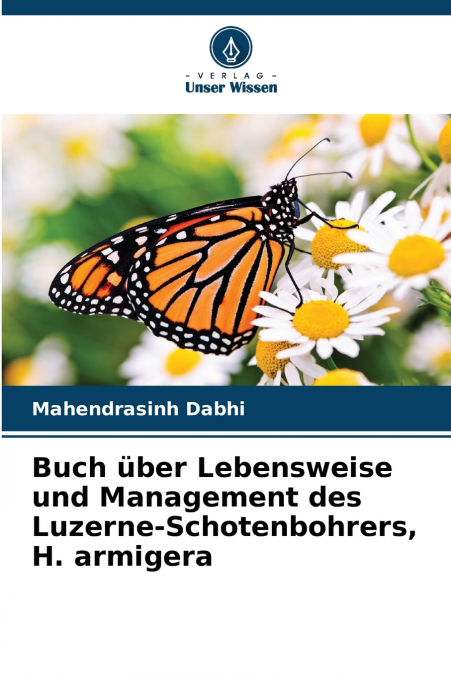
Le terme insecte vient du latin insectum, qui signifie coupé en , en référence au corps segmenté des insectes. Le corps de l’insecte est divisé en trois parties : la tête, le thorax et l’abdomen. Les insectes appartiennent à l’embranchement des arthropodes, le plus grand du règne animal. Les insectes sont apparus il y a 350 millions d’années, bien avant les êtres humains qui sont apparus sur terre il y a seulement 150 000 ans. Ils sont d’abord aquatiques puis sont devenus terrestres. Il existe de nombreuses variations de forme, de taille et de couleur chez les insectes. Les insectes sont répartis dans le monde entier, des régions les plus froides aux tropiques les plus chauds. Ils vivent dans l’eau, sur terre, dans l’air, dans les déserts, en haute montagne et on les trouve également dans les cultures, les jardins, les bibliothèques, les musées, les magasins, etc. Le corps de l’insecte est divisé en trois parties : la tête, le thorax et l’abdomen qui porte une paire d’antennes, une paire d’yeux composés, une ou deux paires d’ailes ou sans ailes et possède trois paires de pattes à l’âge adulte. Le nombre d’espèces d’insectes connues est estimé entre 700 000 et 1 500 000, ce qui représente 70 à 90 % des espèces connues du règne animal.
Artículos relacionados

  • The Green Architecture
    Ali Mirshafieyan / Ghazal Yeganeh / Maryam Zamani Motlagh
    Protecting green energy as well as non-renewable energy, as well as their sustainable use, many advances in the technology of extracting oil products and other reserves under the ground have caused many improvements. In this regard, proposing the design of buildings in which the consumption of fossil fuels reaches its lowest level is considered one of the important solutions in...
    Disponible

    82,54 €

  • Responsible Use and Management of Agrochemicals
    Juan Carlos Nava
    Uso y manejo responsable de agroquímicos is a work product of the author’s experiences (undergraduate and graduate professor, with research and extension projects), aimed at producers, companies, professionals, students, advisors, researchers, among others.Due to its structure and content, it is expected to be a valuable aid to all people directly or indirectly involved in the ...
    Disponible

    49,45 €

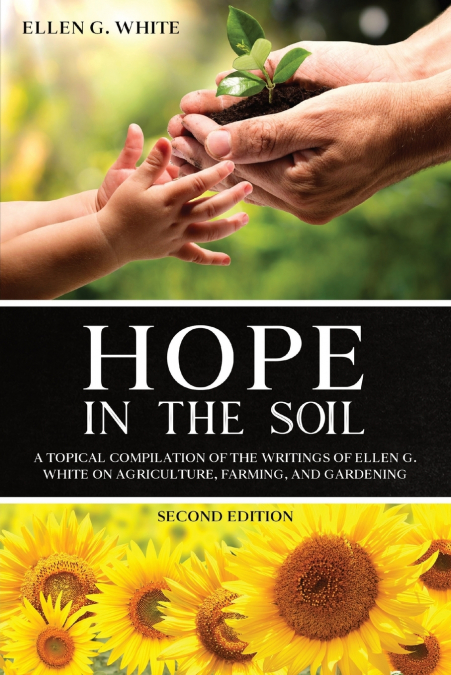
  • Hope in the Soil
    Ellen G White
    Before edible classrooms began 'sprouting' in elementary schools, before buzzwords like 'sustainable agriculture', 'organic,' or 'veganic' came into existence, an exceptional woman named Ellen G. White penned numerous letters and articles on the importance of farming, an outdoor life, and manual labor. Though often remembered for other things, Mrs. White was actively engaged in...
    Disponible

    18,38 €

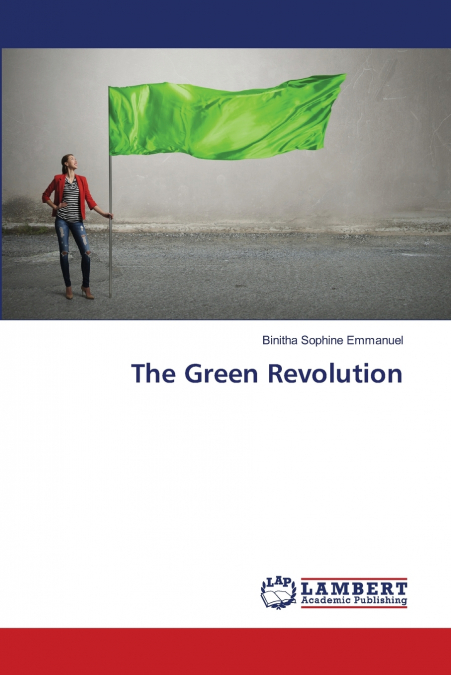
  • The Green Revolution
    Binitha Sophine Emmanuel
    The Green Revolution, a transformative era in the annals of agriculture, emerged as a game-changing force during the mid-20th century, fundamentally reshaping the methodology of food production and steering the trajectory of global food security. Characterized by a sequence of technological breakthroughs, the Green Revolution aimed to substantially augment agricultural producti...
    Disponible

    53,23 €

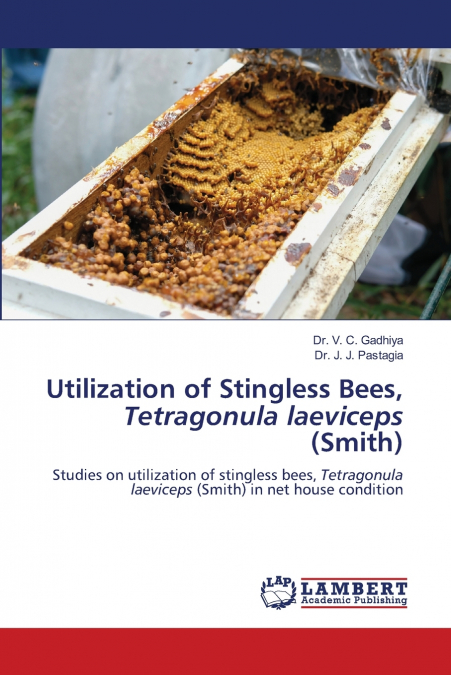
  • Utilization of Stingless Bees, Tetragonula laeviceps (Smith)
    Dr. J. J. Pastagia / Dr. V. C. Gadhiya
    The present investigations on utilization of stingless bees, T. laeviceps Smith in net house condition carried out with the broad aspects like flowers visited by stingless bees, T. laeviceps Smith, toxicity of insecticides to T. laeviceps Smith workers, floral biology of musk melon, foraging behavior of stingless bees, T. laeviceps Smith in net house condition, effect of pollin...
    Disponible

    84,80 €

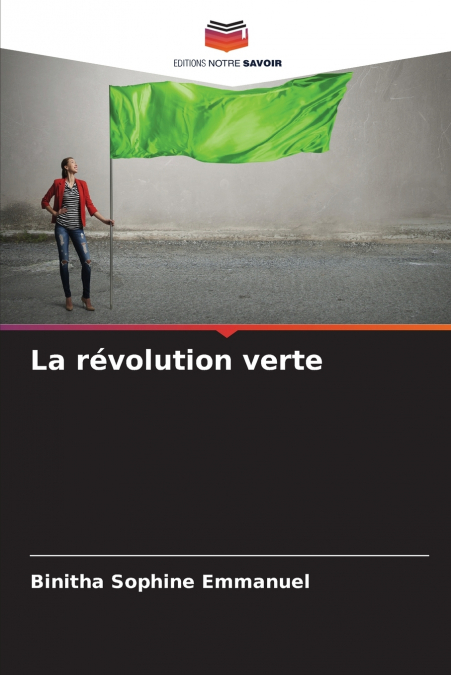
  • La révolution verte
    Binitha Sophine Emmanuel
    La révolution verte, une ère transformatrice dans les annales de l’agriculture, est apparue comme une force qui a changé la donne au milieu du 20e siècle, remodelant fondamentalement la méthodologie de la production alimentaire et orientant la trajectoire de la sécurité alimentaire mondiale. Caractérisée par une série de percées technologiques, la révolution verte visait à augm...
    Disponible

    53,29 €

Otros libros del autor

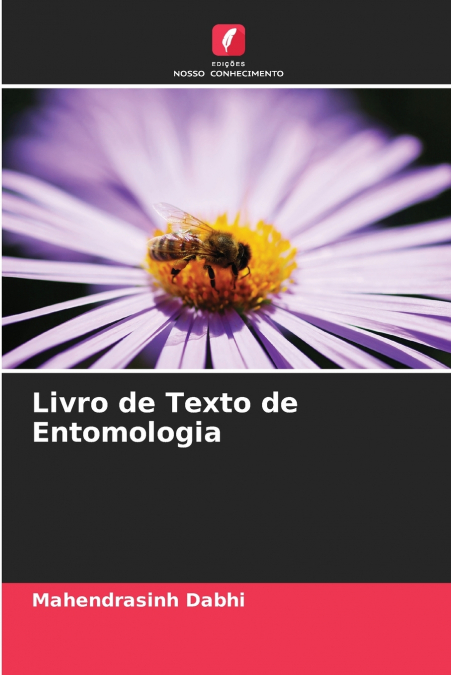
  • Livro de Texto de Entomologia
    Mahendrasinh Dabhi
    O termo inseto deriva do latim insectum - cortar em, referindo-se ao corpo segmentado dos insectos. O corpo dos insectos está dividido em três partes: cabeça, tórax e abdómen. Os insectos pertencem ao filo Arthropoda, que é o maior filo do reino animal. Os insectos surgiram há 350 milhões de anos, muito antes dos seres humanos, que apareceram na Terra há apenas 150000 anos. São...
    Disponible

    48,51 €

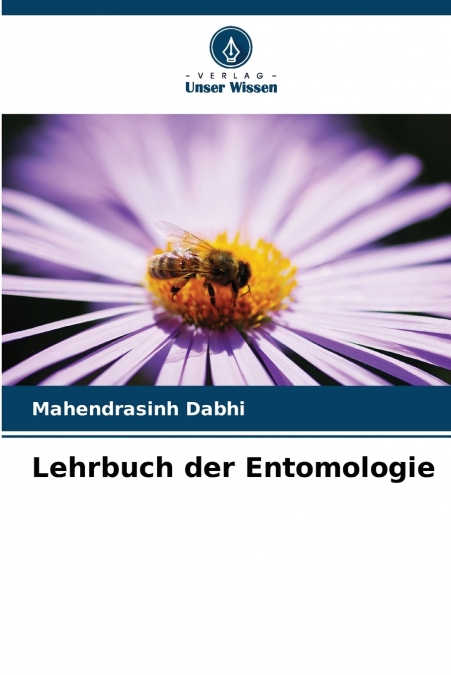
  • Lehrbuch der Entomologie
    Mahendrasinh Dabhi
    Der Begriff Insekt leitet sich vom lateinischen insectum ab, was so viel wie „einschneiden' bedeutet und sich auf den segmentierten Körper von Insekten bezieht. Der Körper von Insekten ist in drei Teile unterteilt, nämlich Kopf, Thorax und Abdomen. Insekten gehören zum Stamm der Gliederfüßer, dem größten Stamm des Tierreichs. Insekten erschienen vor 350 Millionen Jahren, viel f...
    Disponible

    48,57 €

  • Libro di testo di Entomologia
    Mahendrasinh Dabhi
    Il termine insetto deriva dal latino insectum, che significa 'tagliare', in riferimento al corpo segmentato degli insetti. Il corpo degli insetti è diviso in tre parti: testa, torace e addome. Gli insetti appartengono al phylum degli artropodi, il phylum più grande del regno animale. Gli insetti sono comparsi 350 milioni di anni fa, molto prima degli esseri umani che sono appar...
    Disponible

    48,51 €

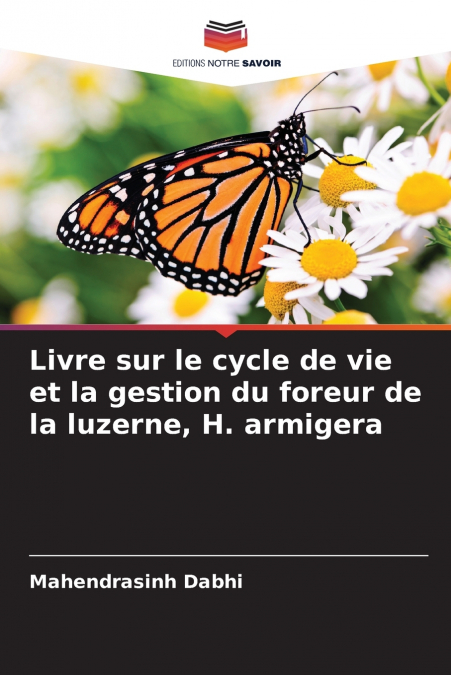
  • Livre sur le cycle de vie et la gestion du foreur de la luzerne, H. armigera
    Mahendrasinh Dabhi
    Helicoverpa armigera est largement répandu en Asie, en Afrique, en Australie et en Europe méditerranéenne. H.armigera est un ravageur majeur du coton, du pois cajan, du pois chiche, du tournesol, de la tomate, du maïs, du sorgho, du bajra, de la luzerne, des légumes et du tabac. La table de fécondité (pour les femelles) est utile pour déterminer l’adéquation des hôtes et le sta...
    Disponible

    47,65 €

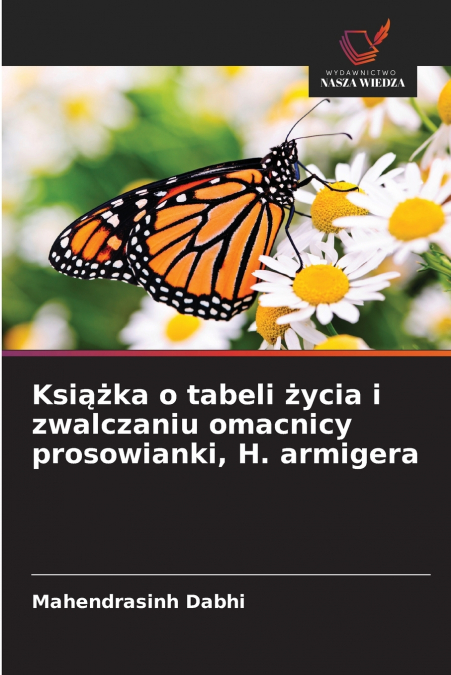
  • Książka o tabeli życia i zwalczaniu omacnicy prosowianki, H. armigera
    Mahendrasinh Dabhi
    Helicoverpa armigera jest szeroko rozpowszechniona w Azji, Afryce, Australii i śródziemnomorskiej Europie. H. armigera jest głównym szkodnikiem bawełny, ciecierzycy, słonecznika, pomidora, kukurydzy, sorgo, bajry, lucerny, warzyw i tytoniu. Tabela żywotności płodności (dla samic) jest przydatna w określaniu przydatności żywicieli i etapu cyklu życiowego szkodnika, co przyczynia...
    Disponible

    47,59 €

  • Buch über Lebensweise und Management des Luzerne-Schotenbohrers, H. armigera
    Mahendrasinh Dabhi
    Helicoverpa armigera ist in Asien, Afrika, Australien und im europäischen Mittelmeerraum weit verbreitet. H. armigera ist ein Hauptschädling von Baumwolle, Taubenerbse, Kichererbse, Sonnenblume, Tomate, Mais, Sorghum, Bajra, Luzerne, Gemüse und Tabak. Die Fruchtbarkeitstabelle (für weibliche Tiere) ist nützlich, um die Eignung der Wirte und das Stadium im Lebenszyklus des Schäd...
    Disponible

    47,65 €