 Librería Samer Atenea
 Kálamo Books
 Librería Elías (Asturias)
 Librería Kolima (Madrid)
 Librería Proteo (Málaga)
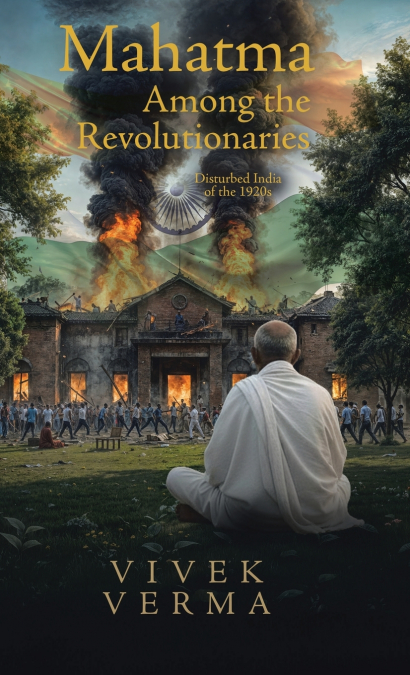
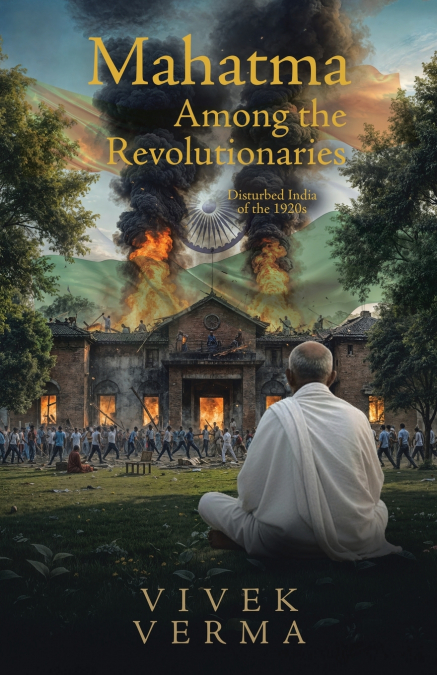
'2000 INDIANS SHOT DOWN,' splashed the headline of the Daily Express on December 13, 1919.The decade of the 1920s, which followed that massacre, was a disturbed one, as Indian revolutionaries sought to achieve freedom using violence. These individuals had lost faith in the fairness of the British system. They hoped that their actions would create a vacuum allowing for a new organizational power to move in.Mohandas Gandhi returned to India in 1915. He had his unique beliefs that he had fine-tuned in South Africa and would use as weapons against the British. When the war ended, there was a general enthusiasm that dominion status or even full independence would be granted to India. However, when that expectation was not met, Gandhi began mass mobilization of the public for symbolic actions like the Salt March.The British government proposed constitutional reforms but were not ready in the 1920s to vacate India. Maybe it was the obligation of the 'white man’s burden,' popularized by Rudyard Kipling. Maybe it was the nostalgia of the Indian grandeur or imperial ownership bias that made the decision of giving up India difficult. The disturbed India of 1920s saw both armed and political revolutionaries work against the British. By the end of 1920s, Gandhi emerged at the forefront amongst political revolutionaries, aptly described by India’s former prime minister Indira Gandhi, 'The ultimate justification of Gandhi is that he showed how armed strength could be matched without arms.'