
Inicio > Artes > Lothars III. Kampf mit den Staufern
Lothars III. Kampf mit den Staufern

Lothars III. Kampf mit den Staufern

Lothars III. Kampf mit den Staufern

Holger Macht

89,33 €
IVA incluido
Disponible
Editorial:
diplom.de
Año de edición:
2004
Materia
Artes
ISBN:
9783838683850
89,33 €
IVA incluido
Disponible

Selecciona una librería:

  • Librería Samer Atenea
  • Librería Aciertas (Toledo)
  • Kálamo Books
  • Librería Perelló (Valencia)
  • Librería Elías (Asturias)
  • Donde los libros
  • Librería Kolima (Madrid)
  • Librería Proteo (Málaga)

Inhaltsangabe:Problemstellung: Von den großen Taten Friedrichs II. Barbarossa, von Heinrich IV und seinem Gang nach Canossa hörte wohl jedes Kind in Deutschland schon einmal durch Sprichwörter oder Erzählungen. Sie sind bekannt. Lothar III. ist jedoch weitgehend unbekannt. Das liegt nicht nur an seiner kurzen Herrscherzeit, es ist auch ein Vermächtnis seiner Nachfolger, die keinen allzu großen Wert darauf legten, die Erinnerung an den Sachsen beizubehalten. Das Deutschland des 19. Jahrhunderts brachte ihm gar Verachtung entgegen, weil sie in seinen Taten keine heldischen Merkmale entdecken konnten. Er galt und gilt als „Pfaffenkönig“. Im Alter von 50 Jahren erklomm er durch rechtmäßige Wahl den Thron, sah sich mit einem rebellischen Herzogsgeschlecht konfrontiert, bewies Treue zur Kirche und verließ das irdische Dasein ohne Erben. Kein Anzeichen eines übermenschlichen Monarchen. Die Forschung hält sich, solange es sich um die Jahre 1125-1137 handelt, zurück. Wenn, dann scheint höchstens der Umstand erwähnenswert, dass nicht der wahre Erbe des salischen Throns in seine Funktion als gottgewollter Herr über Deutschland kam, sondern von einem sächsischen Herzog verdrängt wurde - und dies auch noch durch eine Wahl. Eine Möglichkeit, mit Lothar umzugehen, ist über ihn zu schweigen. Einen Schritt weiter gehend, könnte man, angelehnt an den Hobby-Historiker Heribert Illig, sagen, es habe Lothar gar nicht gegeben. Er sei eine Erfindung der Kirche gewesen. Und doch bliebe eine Lücke von 12 Jahren deutscher Geschichte. Auch wenn wir gerne so manche 12 Jahre deutscher Vergangenheit vergessen würden, Lothars Amtszeit bietet dennoch einige interessante Aspekte. Sein Kampf mit den Staufern war nämlich kein Unfall der Geschichte. Er zeigte vielmehr sich verändernde Strukturen im politischen Miteinander auf. Lothar III. erkämpfte sich nicht die Macht, sie fiel ihm auch nicht zufällig in den Schoß, sondern er erhielt sie durch einen Akt, der für heutige Generationen das Selbst


Artículos relacionados

  • The Eagle Returns
    C. Paul Burnham / CPaul Burnham
    The Gospel of John was long assumed to be the work of an eyewitness, usually identified as John, son of Zebedee. More recently, many have judged it the unhistorical product of a ''Johannine community.'' Reconsideration by Richard Bauckham has suggested that the author was a Jerusalem disciple who housed the ''Last Supper.'' This book explores the possibility that he was present...
    Disponible

    11,04 €

  • The Old Testament in Theology and Teaching
    APTS Press is privileged to offer this festschrift honoring Dr. Kay Fountain, who for more than twenty years has served the Lord at the Asia Pacific Theological Seminary (APTS), in Baguio City, Philippines, first as a student, then as a faculty member and finally as the Academic Dean. Our hope is that this book will reflect her passion for teaching and understanding the Old Tes...
    Disponible

    22,13 €

  • MEL4414 - Roberto Grela, La guitarra del tango
    Julián Graciano
    del mayor guitarrista de la historia del tango. Con solo percibir el empleo del plectro (la llamada púa de guitarra en nuestro canyengue) descubrimos un sonido y estilo tan particular que terminó por deslumbrar a todos. Pero si decimos “bastaría”, en potencial, es que nos debemos mucho más: suele decirse del gran Aníbal Troilo que su música y sus orquestas son la gran marca de ...
    Disponible

    29,64 €

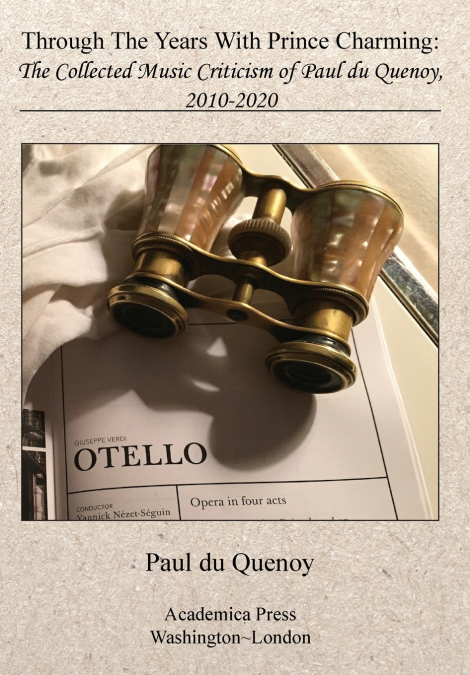
  • Through the years with prince charming
    Paul du Quenoy
    The past decade has overflowed in a raging stream of contradictions. Old certainties have yielded to relentless insecurity over a time when much of the human experience got immeasurably better even as many things only ever seemed to get worse. As Paul du Quenoy’s globetrotting criticism reveals, the arts were in a ferment that matched profound and yet totally unpredicted social...
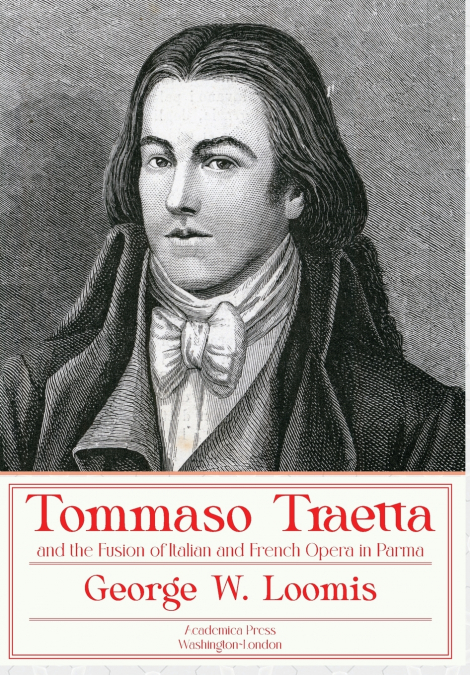
  • Tommaso Traetta and the Fusion of Italian and French Opera in Parma
    George W. Loomis
    In 1759, the court of the Italian Duchy of Parma adopted the inspiration of cultural creators who recommended a reform of Italian opera along French lines. These writers favored combining Italian-style music with the wider range of musical genres and scenic variety of French opera. As the music critic and commentator George W. Loomis shows in this groundbreaking volume, the you...
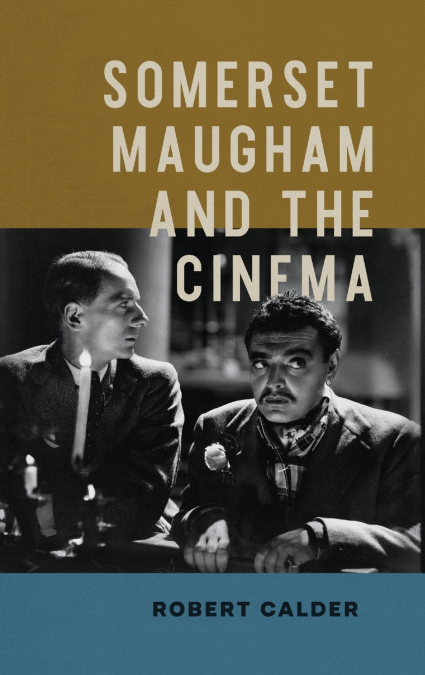
  • Somerset Maugham and the Cinema
    Robert Calder
    William Somerset Maugham (1874-1965) was one of the most prominent and productive authors of the twentieth century-and his works have been among the most cinematically transformed in history. For more than five decades, adaptations of his plays, stories, and novels dominated movie theaters and, later, television screens. More than ninety individual works were filmed, and for ma...