Inicio > Matemáticas y ciencia > Biologia, ciencias de la vida > Botánica y ciencias de las plantas > Kenntnisse und Akzeptanz von Landwirten in Bezug auf den Anbau von Bt.-Baumwolle
Kenntnisse und Akzeptanz von Landwirten in Bezug auf den Anbau von Bt.-Baumwolle

Kenntnisse und Akzeptanz von Landwirten in Bezug auf den Anbau von Bt.-Baumwolle

Darshini Patel / Divyang Pandya / P. B. Khodifad

60,33 €
IVA incluido
Disponible
Editorial:
KS OmniScriptum Publishing
Año de edición:
2024
Materia
Botánica y ciencias de las plantas
ISBN:
9786139445264
60,33 €
IVA incluido
Disponible

Selecciona una librería:

  • Librería Samer Atenea
  • Librería Aciertas (Toledo)
  • Kálamo Books
  • Librería Perelló (Valencia)
  • Librería Elías (Asturias)
  • Donde los libros
  • Librería Kolima (Madrid)
  • Librería Proteo (Málaga)

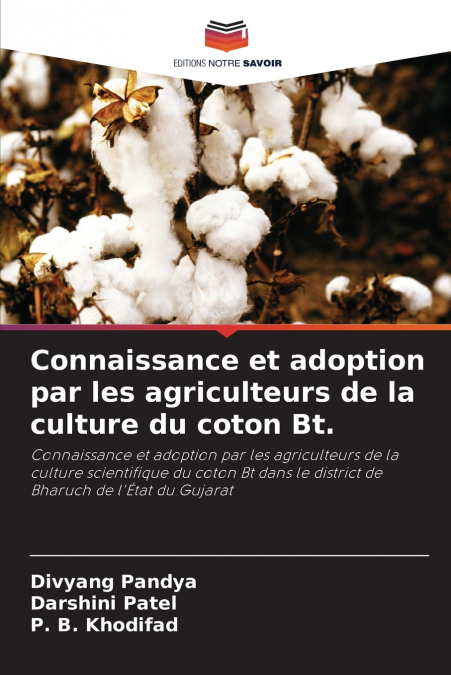
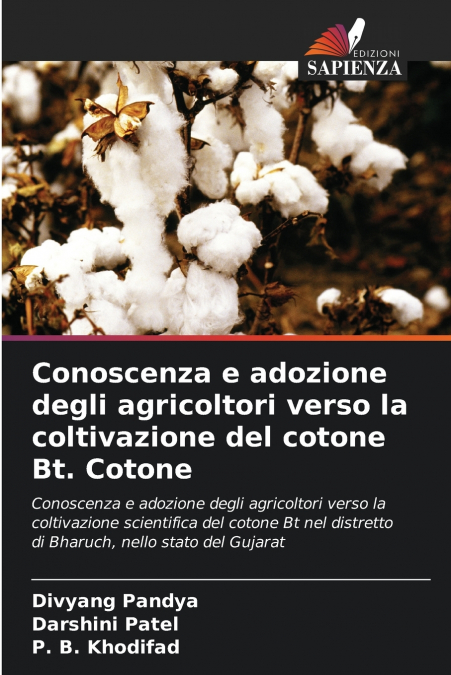
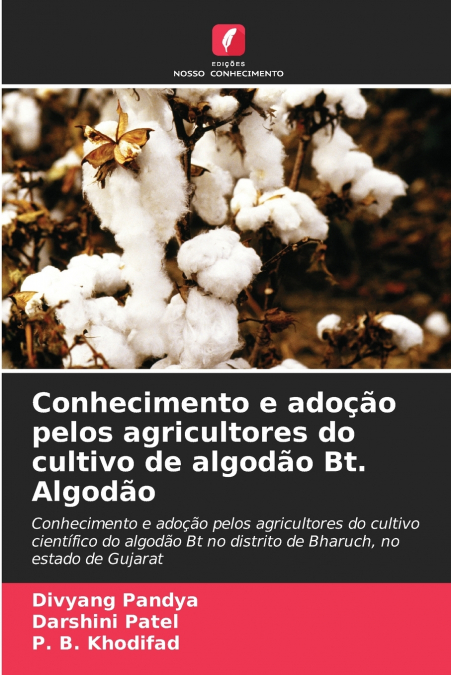
Bt-Baumwolle wurde durch die Übertragung des Kristallproteingens (Cry 1 AC) von einem Bodenbakterium Bacillus thuringiensis var. Kurstaki auf Baumwolle entwickelt. Das Gen wurde durch eine Transformation, die durch ein Agrobakterium vermittelt wurde, auf Baumwolle übertragen. Das in transgener Baumwolle produzierte Cry-Protein ist für alle Baumwollkapselbohrer giftig. Der kommerzielle Anbau von Bt-Baumwolle begann weltweit erstmals 1996 in Indien. Nach umfangreichen Tests von Bt-Baumwollhybriden (mit dem Gen Cry1 Ac) im Rahmen des All India Coordinated Cotton Improvement Project (AICCIP) und auf Feldern von Landwirten genehmigte die indische Regierung den kommerziellen Anbau von Bt-Baumwollhybriden ab der Erntesaison 2002. Allerdings besteht nach wie vor eine große Lücke zwischen dem Produktionspotenzial und der tatsächlichen Produktion der Baumwollbauern. Dies kann auf die teilweise Übernahme oder das Wissen der Baumwollbauern über den empfohlenen wissenschaftlichen Anbau zurückzuführen sein. Es wurden jedoch keine systematischen Anstrengungen unternommen, um die Lücke zu untersuchen, die in verschiedenen Komponenten des Baumwollanbaus besteht. Daher wurde die vorliegende Studie geplant, um das Wissen und die Übernahme der empfohlenen Bt-Baumwollproduktionstechnologie unter den Landwirten zu ermitteln.
Artículos relacionados

  • The Green Architecture
    Ali Mirshafieyan / Ghazal Yeganeh / Maryam Zamani Motlagh
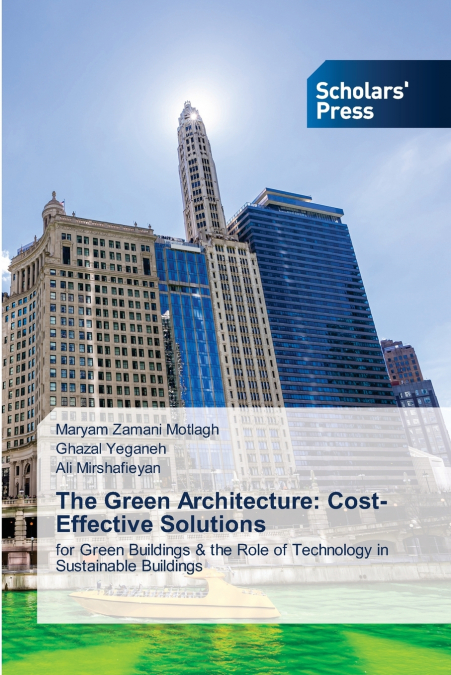
    Protecting green energy as well as non-renewable energy, as well as their sustainable use, many advances in the technology of extracting oil products and other reserves under the ground have caused many improvements. In this regard, proposing the design of buildings in which the consumption of fossil fuels reaches its lowest level is considered one of the important solutions in...
    Disponible

    82,54 €

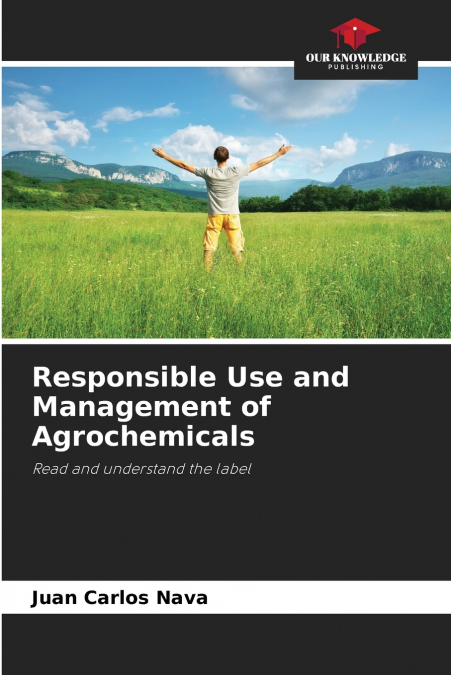
  • Responsible Use and Management of Agrochemicals
    Juan Carlos Nava
    Uso y manejo responsable de agroquímicos is a work product of the author’s experiences (undergraduate and graduate professor, with research and extension projects), aimed at producers, companies, professionals, students, advisors, researchers, among others.Due to its structure and content, it is expected to be a valuable aid to all people directly or indirectly involved in the ...
    Disponible

    49,45 €

  • Hope in the Soil
    Ellen G White
    Before edible classrooms began 'sprouting' in elementary schools, before buzzwords like 'sustainable agriculture', 'organic,' or 'veganic' came into existence, an exceptional woman named Ellen G. White penned numerous letters and articles on the importance of farming, an outdoor life, and manual labor. Though often remembered for other things, Mrs. White was actively engaged in...
    Disponible

    18,38 €

  • The Green Revolution
    Binitha Sophine Emmanuel
    The Green Revolution, a transformative era in the annals of agriculture, emerged as a game-changing force during the mid-20th century, fundamentally reshaping the methodology of food production and steering the trajectory of global food security. Characterized by a sequence of technological breakthroughs, the Green Revolution aimed to substantially augment agricultural producti...
    Disponible

    53,23 €

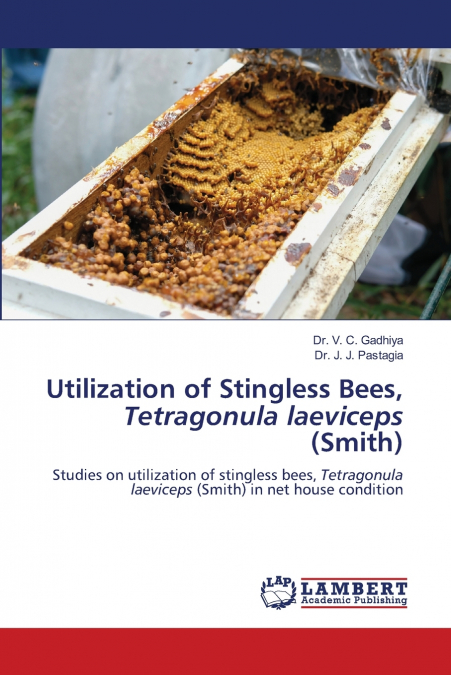
  • Utilization of Stingless Bees, Tetragonula laeviceps (Smith)
    Dr. J. J. Pastagia / Dr. V. C. Gadhiya
    The present investigations on utilization of stingless bees, T. laeviceps Smith in net house condition carried out with the broad aspects like flowers visited by stingless bees, T. laeviceps Smith, toxicity of insecticides to T. laeviceps Smith workers, floral biology of musk melon, foraging behavior of stingless bees, T. laeviceps Smith in net house condition, effect of pollin...
    Disponible

    84,80 €

  • La révolution verte
    Binitha Sophine Emmanuel
    La révolution verte, une ère transformatrice dans les annales de l’agriculture, est apparue comme une force qui a changé la donne au milieu du 20e siècle, remodelant fondamentalement la méthodologie de la production alimentaire et orientant la trajectoire de la sécurité alimentaire mondiale. Caractérisée par une série de percées technologiques, la révolution verte visait à augm...
    Disponible

    53,29 €

Otros libros del autor

  • Connaissance et adoption par les agriculteurs de la culture du coton Bt.
    Darshini Patel / Divyang Pandya / P. B. Khodifad
    Le coton Bt a été développé en transférant le gène de la protéine cristalline (Cry 1 AC) d’une bactérie du sol Bacillus thuringiensis var. Kurstaki dans le coton. Le gène a été transféré au coton par transformation agro-bactérienne. La protéine cry produite dans le coton transgénique est toxique pour tous les vers de la capsule. En Inde, après des tests approfondis des hybrides...
    Disponible

    60,27 €

  • Conoscenza e adozione degli agricoltori verso la coltivazione del cotone Bt. Cotone
    Darshini Patel / Divyang Pandya / P. B. Khodifad
    Il cotone Bt è stato sviluppato trasferendo il gene della proteina cristallina (Cry 1 AC) da un batterio del suolo Bacillus thuringiensis var. Kurstaki nel cotone. Il gene è stato trasferito al cotone attraverso la trasformazione mediata da un batterio agrario. La proteina cry prodotta nel cotone transgenico è tossica per tutti i tarli. La coltivazione commerciale del cotone Bt...
    Disponible

    60,27 €

  • Conhecimento e adoção pelos agricultores do cultivo de algodão Bt. Algodão
    Darshini Patel / Divyang Pandya / P. B. Khodifad
    O algodão Bt foi desenvolvido através da transferência do gene da proteína cristalina (Cry 1 AC) de uma bactéria do solo Bacillus thuringiensis var. Kurstaki para o algodão. O gene foi transferido para o algodão através da transformação mediada por uma bactéria agrícola. A proteína cry produzida no algodão transgénico é tóxica para todos os bollworms. Na Índia, após testes exau...
    Disponible

    59,11 €