 Librería Samer Atenea
 Kálamo Books
 Librería Elías (Asturias)
 Librería Kolima (Madrid)
 Librería Proteo (Málaga)
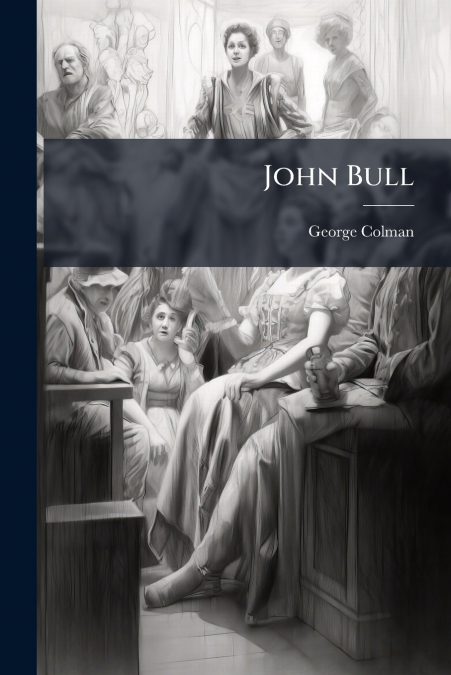
'John Bull: Or, The Englishman’s Fireside' by George Colman the Younger, is a classic example of early 19th-century English comedy. This play offers a humorous and satirical look at English society, centered around the iconic character of John Bull, representing the quintessential Englishman. Colman’s wit and sharp observations are on full display as he explores themes of national identity, domestic life, and social customs. First performed in 1803, 'John Bull' quickly became a theatrical staple, celebrated for its lively dialogue and memorable characters. This edition allows modern readers to rediscover the charm and enduring appeal of Colman’s work, providing valuable insights into the theatrical and cultural landscape of its time. The play remains a significant contribution to the history of English drama and a delightful read for anyone interested in comedic satire.This work has been selected by scholars as being culturally important, and is part of the knowledge base of civilization as we know it. This work was reproduced from the original artifact, and remains as true to the original work as possible. Therefore, you will see the original copyright references, library stamps (as most of these works have been housed in our most important libraries around the world), and other notations in the work.This work is in the public domain in the United States of America, and possibly other nations. Within the United States, you may freely copy and distribute this work, as no entity (individual or corporate) has a copyright on the body of the work.As a reproduction of a historical artifact, this work may contain missing or blurred pages, poor pictures, errant marks, etc. Scholars believe, and we concur, that this work is important enough to be preserved, reproduced, and made generally available to the public. We appreciate your support of the preservation process, and thank you for being an important part of keeping this knowledge alive and relevant.