Inicio > Matemáticas y ciencia > Biologia, ciencias de la vida > Botánica y ciencias de las plantas > Identyfikacja odpowiedniego systemu uprawy ryżu dla stanu Chhattisgarh
Identyfikacja odpowiedniego systemu uprawy ryżu dla stanu Chhattisgarh

Identyfikacja odpowiedniego systemu uprawy ryżu dla stanu Chhattisgarh

Divedi Prasad Choudhary / Dushyant Kumar Damle / J.S. Urkurkar

81,61 €
IVA incluido
Disponible
Editorial:
KS OmniScriptum Publishing
Año de edición:
2025
Materia
Botánica y ciencias de las plantas
ISBN:
9786209219030
81,61 €
IVA incluido
Disponible

Selecciona una librería:

  • Librería Samer Atenea
  • Librería Aciertas (Toledo)
  • Kálamo Books
  • Librería Perelló (Valencia)
  • Librería Elías (Asturias)
  • Donde los libros
  • Librería Kolima (Madrid)
  • Librería Proteo (Málaga)

Spośród różnych ocenianych sekwencji upraw system T7 (ryż-ziemniak-fasola cowpea) został uznany za najbardziej produktywny, z plonem równoważnym ryżowi wynoszącym (270,39 q ha-1 rok-1). Kolejną najlepszą sekwencją był system T5 (ryż-bakłażan-GM) z plonem równoważnym ryżowi wynoszącym (213,19 q ha-1 rok-1). Sekwencja upraw T7 (ryż-ziemniak-fasola cowpea) zapewniła znacznie wyższą wydajność produkcji (83,97 kg ha-1 dzień-1), rentowność (320,36 rupii ha-1 dzień-1) oraz względną efektywność ekonomiczną (199,29%). W przypadku T7 (ryż-ziemniak-fasola cowpea) uzyskano wyższy zysk netto w wysokości 116929 Rs ha-1 rok-1, ale maksymalny stosunek B: C odnotowano w przypadku sekwencji upraw T5 (ryż-bakłażan-GM) (2,65) ze względu na ogromne koszty związane z zakupem nasion ziemniaków. Wydajność nawadniania i efektywność tworzenia miejsc pracy były również znacznie wyższe w przypadku T7 (ryż-ziemniaki-fasola cowpea) w porównaniu z pozostałymi sekwencjami. Wydajność wykorzystania składników odżywczych była najwyższa (41,96 kg ziarna na jednostkę wykorzystania składników odżywczych) w przypadku dwóch sekwencji upraw, tj. ryż-bakłażan-GM, a stabilność w odniesieniu do całkowitej wydajności i zysku netto była wyższa w przypadku dwóch sekwencji upraw, tj. ryż-gorczyca-GM i ryż-pszenica, (0,89) i (0,79).
Artículos relacionados

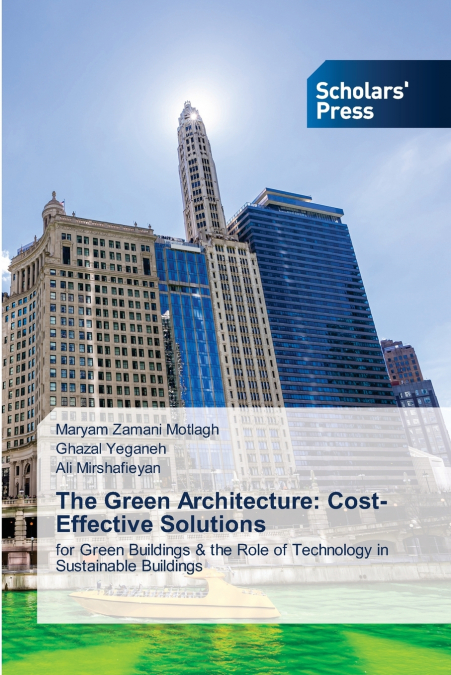
  • The Green Architecture
    Ali Mirshafieyan / Ghazal Yeganeh / Maryam Zamani Motlagh
    Protecting green energy as well as non-renewable energy, as well as their sustainable use, many advances in the technology of extracting oil products and other reserves under the ground have caused many improvements. In this regard, proposing the design of buildings in which the consumption of fossil fuels reaches its lowest level is considered one of the important solutions in...
    Disponible

    82,54 €

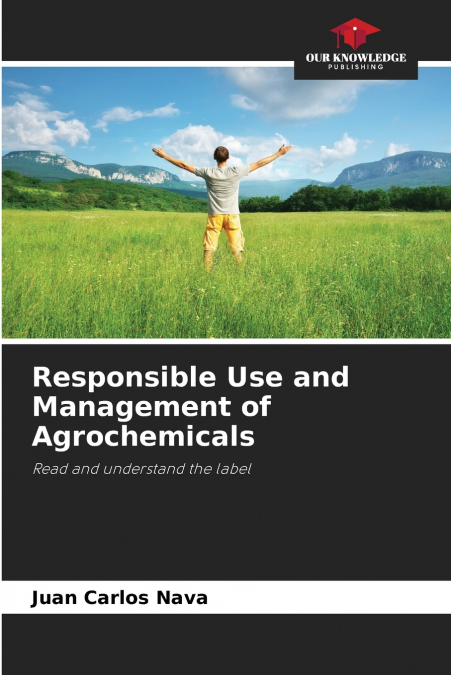
  • Responsible Use and Management of Agrochemicals
    Juan Carlos Nava
    Uso y manejo responsable de agroquímicos is a work product of the author’s experiences (undergraduate and graduate professor, with research and extension projects), aimed at producers, companies, professionals, students, advisors, researchers, among others.Due to its structure and content, it is expected to be a valuable aid to all people directly or indirectly involved in the ...
    Disponible

    49,45 €

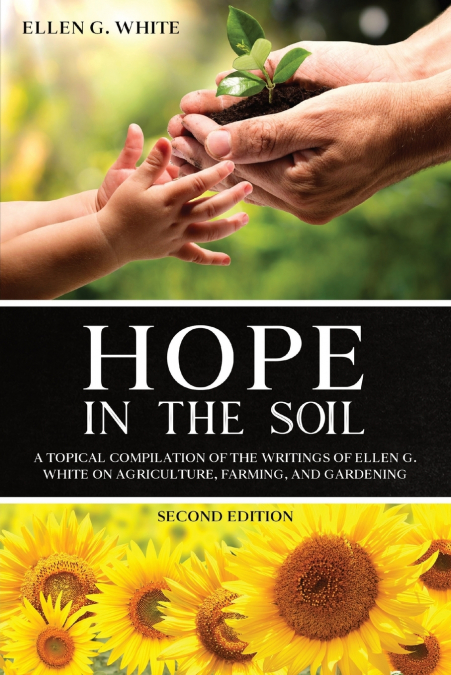
  • Hope in the Soil
    Ellen G White
    Before edible classrooms began 'sprouting' in elementary schools, before buzzwords like 'sustainable agriculture', 'organic,' or 'veganic' came into existence, an exceptional woman named Ellen G. White penned numerous letters and articles on the importance of farming, an outdoor life, and manual labor. Though often remembered for other things, Mrs. White was actively engaged in...
    Disponible

    18,38 €

  • The Green Revolution
    Binitha Sophine Emmanuel
    The Green Revolution, a transformative era in the annals of agriculture, emerged as a game-changing force during the mid-20th century, fundamentally reshaping the methodology of food production and steering the trajectory of global food security. Characterized by a sequence of technological breakthroughs, the Green Revolution aimed to substantially augment agricultural producti...
    Disponible

    53,23 €

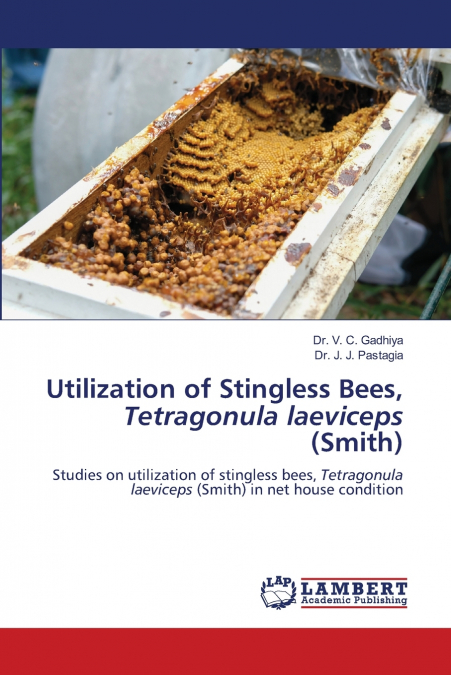
  • Utilization of Stingless Bees, Tetragonula laeviceps (Smith)
    Dr. J. J. Pastagia / Dr. V. C. Gadhiya
    The present investigations on utilization of stingless bees, T. laeviceps Smith in net house condition carried out with the broad aspects like flowers visited by stingless bees, T. laeviceps Smith, toxicity of insecticides to T. laeviceps Smith workers, floral biology of musk melon, foraging behavior of stingless bees, T. laeviceps Smith in net house condition, effect of pollin...
    Disponible

    84,80 €

  • La révolution verte
    Binitha Sophine Emmanuel
    La révolution verte, une ère transformatrice dans les annales de l’agriculture, est apparue comme une force qui a changé la donne au milieu du 20e siècle, remodelant fondamentalement la méthodologie de la production alimentaire et orientant la trajectoire de la sécurité alimentaire mondiale. Caractérisée par une série de percées technologiques, la révolution verte visait à augm...
    Disponible

    53,29 €

Otros libros del autor

  • Identifizierung eines geeigneten Anbausystems auf Reisbasis für Chhattisgarh
    Divedi Prasad Choudhary / Dushyant Kumar Damle / J.S. Urkurkar
    Unter den verschiedenen bewerteten Fruchtfolgen wurde das System T7 (Reis-Kartoffel-Kuhbohne) als das produktivste mit einem Reisäquivalentertrag von (270,39 q ha-1 Jahr-1) identifiziert. Die nächstbeste Fruchtfolge war T5 (Reis-Aubergine-GM) mit einem Reisäquivalentertrag von (213,19 q ha-1 Jahr-1). Die Anbaufolgen T7 (Reis-Kartoffel-Kuhbohne) erzielten eine deutlich höhere Pr...
    Disponible

    81,61 €

  • Identification d’un système de culture à base de riz adapté à l’État du Chhattisgarh
    Divedi Prasad Choudhary / Dushyant Kumar Damle / J.S. Urkurkar
    Parmi les différentes séquences culturales évaluées, le système T7 (riz-pomme de terre-niébé) a été identifié comme le plus productif, avec un rendement équivalent au riz de (270,39 q ha-1 an-1). La deuxième meilleure séquence était T5 (riz-aubergine-GM) avec un rendement équivalent au riz de (213,19 q ha-1 an-1). Les séquences culturales T7 (riz-pomme de terre-niébé) ont donné...
    Disponible

    81,61 €

  • Identificazione di un sistema colturale a base di riso adatto per il Chhattisgarh
    Divedi Prasad Choudhary / Dushyant Kumar Damle / J.S. Urkurkar
    Tra le diverse sequenze colturali valutate, il sistema T7 (riso-patata-fagiolo dall’occhio) è risultato il più produttivo con una resa equivalente al riso di (270,39 q ha-1 anno-1). La seconda sequenza migliore è stata la T5 (riso-melanzana-GM) con una resa equivalente al riso di (213,19 q ha-1 anno-1). Le sequenze colturali T7 (riso-patate-fagiolo dall’occhio) hanno dato un’ef...
    Disponible

    81,61 €

  • Identificação do sistema de cultivo à base de arroz adequado para Chhattisgarh
    Divedi Prasad Choudhary / Dushyant Kumar Damle / J.S. Urkurkar
    Entre as diferentes sequências de cultivo avaliadas, o sistema T7 (arroz-batata-feijão-frade) foi identificado como o mais produtivo, com um rendimento equivalente ao do arroz de (270,39 q ha-1 ano-1). A segunda melhor sequência foi a T5 (arroz-berinjela-GM), com um rendimento equivalente ao do arroz de (213,19 q ha-1 ano-1). As sequências de cultivo T7 (arroz-batata-feijão-fra...
    Disponible

    81,61 €