
Human Lactation 3

Human Lactation 3


205,73 €
IVA incluido
Consulta disponibilidad
Editorial:
Springer Nature B.V.
Año de edición:
1987
Materia
Tecnología de alimentos y bebidas
ISBN:
9780306425981

Selecciona una librería:

  • Librería Samer Atenea
  • Librería Aciertas (Toledo)
  • Kálamo Books
  • Librería Perelló (Valencia)
  • Librería Elías (Asturias)
  • Donde los libros
  • Librería Kolima (Madrid)
  • Librería Proteo (Málaga)

Four years ago the National Institutes of Child Health and Human Development (NICHD) brought together a group of scientists to Belmont, Maryland to examine the status of human milk banking. During those deliberations, the idea was generated to organize a series of research conferences concerning human lactation and the composition and biological effects of human milk. The first one, organized by Robert G. Jensen from the University of Connecticut and Margaret C. Neville from the University of Colorado, dealt with methodologic issues. An additional meeting to explore the effects of maternal and environmental factors upon human lactation and the composition of human milk was organized by Margit Hamosh from Georgetown University and me, and was held in January, 1986 in Oaxaca, Mexico. Those meetings provided the foundation for the design of the present conference, ’The Effects of Human Milk Upon the Recipient Infant’. In addition to a grant from the NICHD, the conference was generously supported by Milupa AG from the Federal Republic of Germany; Wyeth Limited and Mead Johnson of Canada; and Ross Laboratories, Heinz USA, the Mead Johnson Nutritional Group, Wyeth International Limited, Gerber Products Company, the La Leche League International, Glaxo Incorporated and Sandoz Pharmaceutical Corporation from the United States.
Artículos relacionados

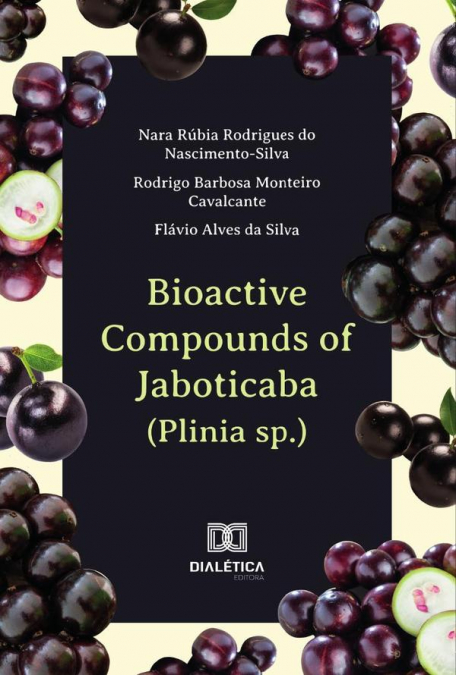
  • Bioactive Compounds Of Jaboticaba (Plinia Sp.)
    Flávio Alves Da Silva / Nara Rúbia Rodrigues Do Nascimento-Silva / Rodrigo Barbosa Monteiro Cavalcante
    The Whole Jaboticaba Fruit Stood Out For Its High Levels Of Total Polyphenols, Mainly Anthocyanins (Cyanidin And Delphinidin), Ellagic Acid, Methylellagic Acid, Gallic Acid, Myricetin, Quercetin, Castalagin, Pedunculagin And Vescalagin. When Evaluating The Behavior Of These Compounds After In Vitro Digestion, It Is Observed That Anthocyanins Did Not Suffer As Much In The Saliva...
    Disponible

    11,96 €

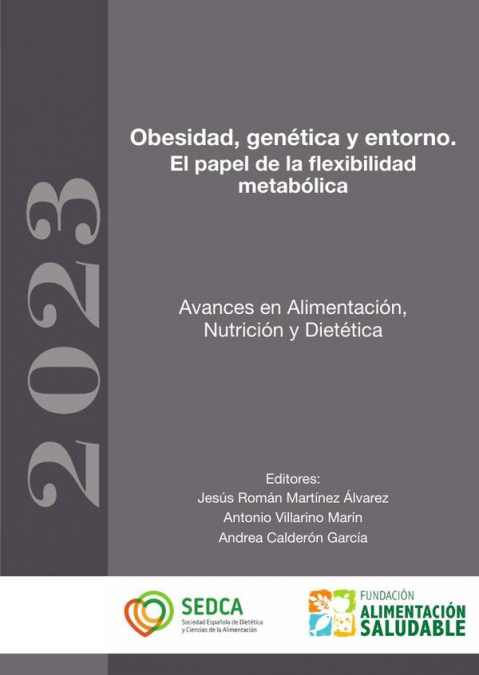
  • Obesidad, genética y entorno. El papel de la flexibilidad metabólica
    Fundación alimentación saludable
    Afortunadamente, gracias a la investigación, somos más conscientes de que la obesidad no es una patología que se deba en exclusiva a la desidia ola falta de voluntad del sujeto y que los mensajes de culpabilidad o estigmatización hacia los pacientes no sólo no ayudan a poner freno al sobrepeso, sino que pueden perjudicar seriamente su salud mental. También sabemos, y esto es mu...
    Disponible

    20,00 €

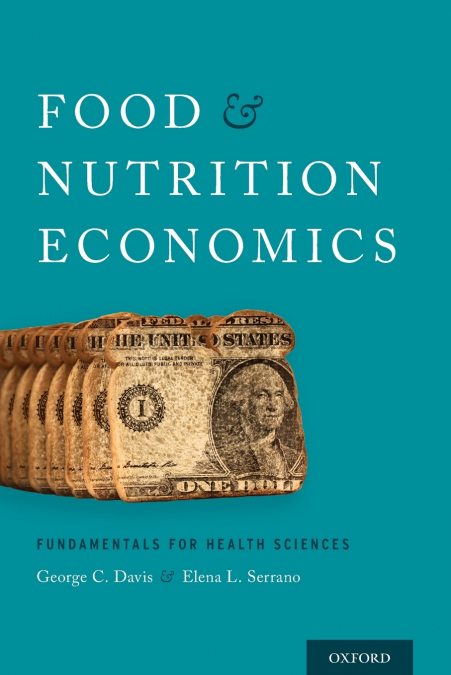
  • FOOD AND NUTRITION ECONOMICS P
    GEORGE C DAVIS
    ...
    Disponible

    118,89 €

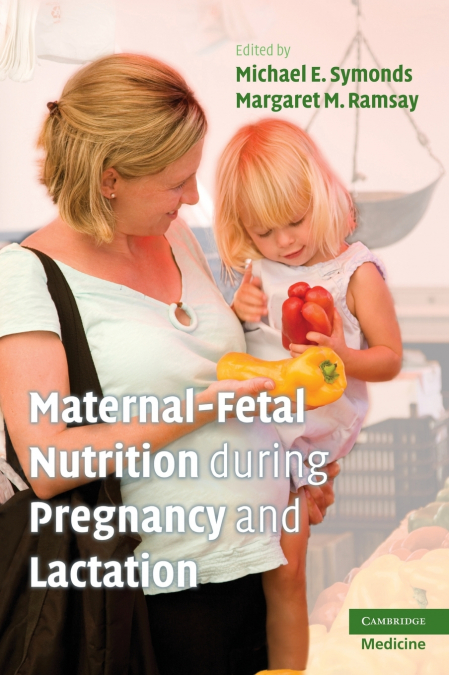
  • Maternal-Fetal Nutrition During Pregnancy and Lactation
    ...
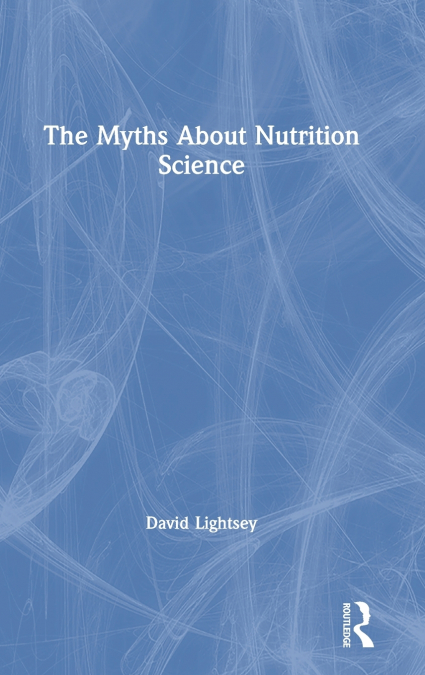
  • The Myths About Nutrition Science
    David Lightsey
    The Myths About Nutrition Science provides an authoritative, yet readily understandable, overview of the common misunderstandings that are commonplace within consumer or athletic communities regarding the food production process and nutrition science, which may affect their physical development, performance, and long-term health ...
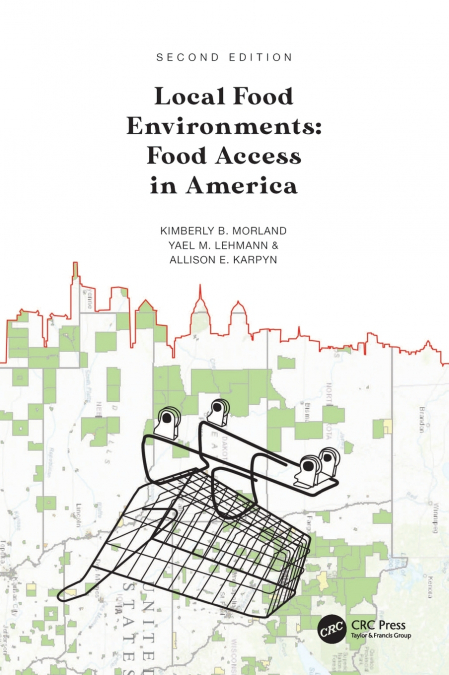
  • Local Food Environments
    Allison E. Karpyn / Kimberly B. Morland / Yael M. Lehmann
    This second edition contains four sections including (1) disparities between local food environments in the United States; (2) effect of restricted local food environments on dietary intake; (3) interventions to local food environment and their impact on communities; and (d) macro-level influence on the development of local food environments. ...