Gandhi and Tagore

Gandhi and Tagore

Gangeya Mukherji

315,32 €
IVA incluido
Consulta disponibilidad
Editorial:
Taylor & Francis Ltd
Año de edición:
2015
Materia
Historia de Asia
ISBN:
9781138946170

Selecciona una librería:

  • Librería Samer Atenea
  • Librería Aciertas (Toledo)
  • Kálamo Books
  • Librería Perelló (Valencia)
  • Librería Elías (Asturias)
  • Donde los libros
  • Librería Kolima (Madrid)
  • Librería Proteo (Málaga)

This book brings together political thought of Gandhi and Tagore to examine the relationship between politics, truth and conscience. It examines in nuanced detail Tagore’s opposition to political violence in colonial Bengal and the scope of Gandhi’s nonviolence and satyagraha to offer an exploration of the first principles of ethical politics as conceived by these two and in the process discusses truth and conscience as viable public virtues.
Artículos relacionados

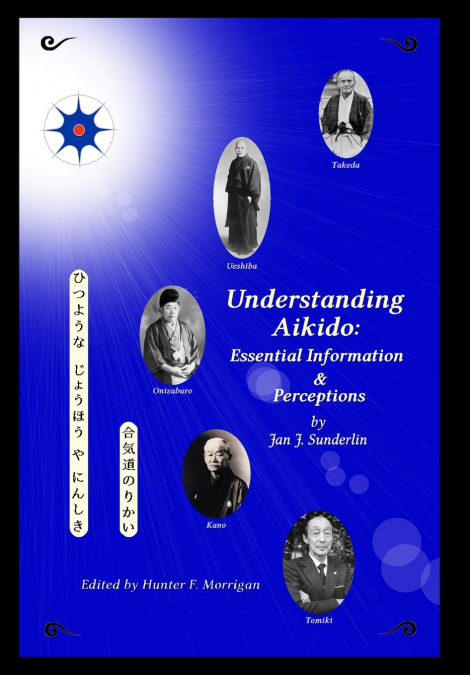
  • Understanding Aikido
    Jan J Sunderlin
    Understanding Aikido: Essential Information and Perceptions (Special Edition) presents an historical, cultural, and philosophical look at the development of the Japanese martial art of Aikido. Sunderlin focuses on the influences brought to bear on Morihei Ueshiba, the founder of Aikido, and the subsequent cultivation of the latter's martial art as a vessel of Budo. The author a...
    Disponible

    63,06 €

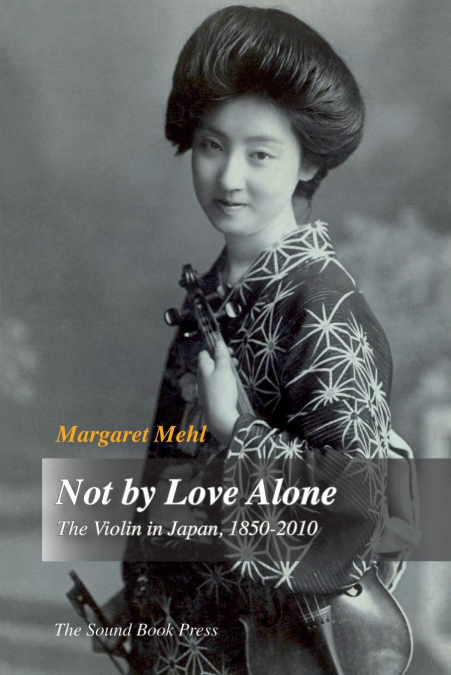
  • Not by Love Alone
    Margaret Mehl
    Suzuki Shin'ichi, the Tokyo String Quartet, Midori - How did Japanese violinists manage to revolutionize violin teaching, win international competitions, conquer Western concert stages, study at world-famous conservatoires and take up positions in leading orchestras and prestigious music faculties? What enabled the Japanese to master Western classical music within a few decades...
    Disponible

    29,32 €

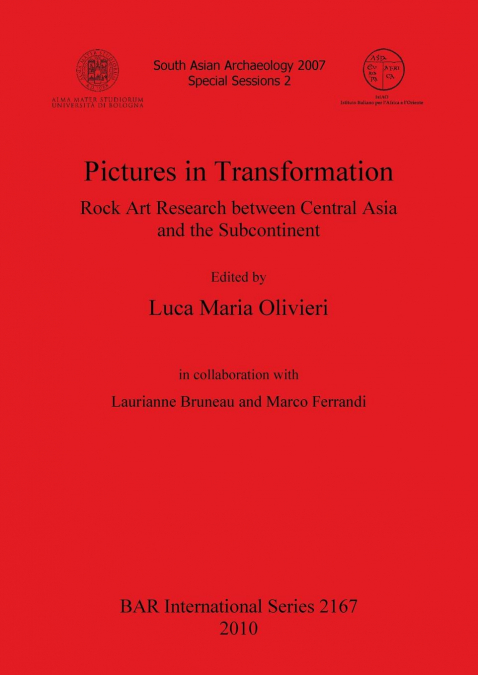
  • Pictures in Transformation
    Luca Maria Olivieri
    ...
    Disponible

    54,79 €

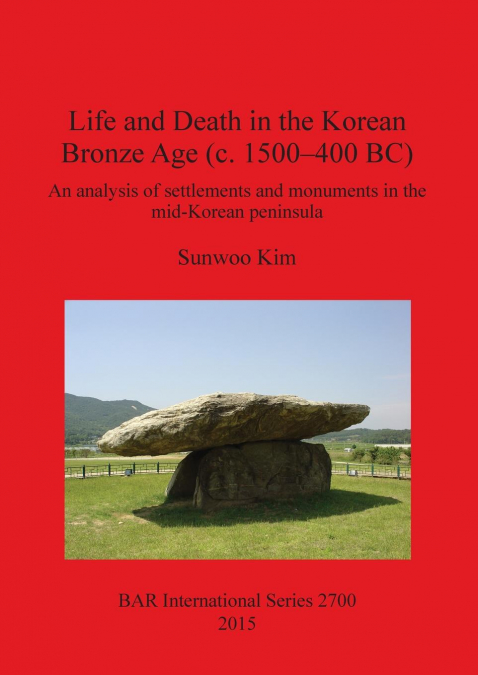
  • Life and Death in the Korean Bronze Age (c. 1500-400 BC)
    Sunwoo Kim
    This research focuses on the Bronze Age in selected areas of Korea; Seoul, Incheon, and Gyeonggi province. Two forms of evidence - settlements and monuments - are taken into account to identify their relationship with landscape and the social changes occurring between ca. 1500 to 400 cal BC. Life and death in the Bronze Age in Korea has not been synthetically investigated befor...
    Disponible

    108,34 €

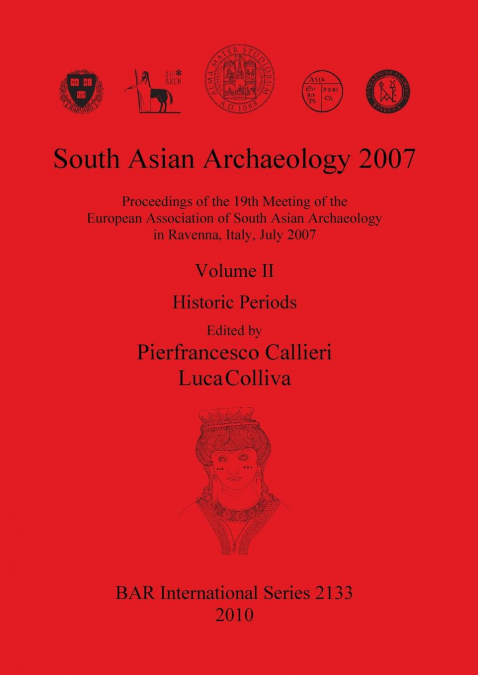
  • South Asian Archaeology 2007
    Proceedings of the 19th Meeting of the European Association of South Asian Archaeology in Ravenna, Italy, July 2007.                     ...
    Disponible

    182,04 €

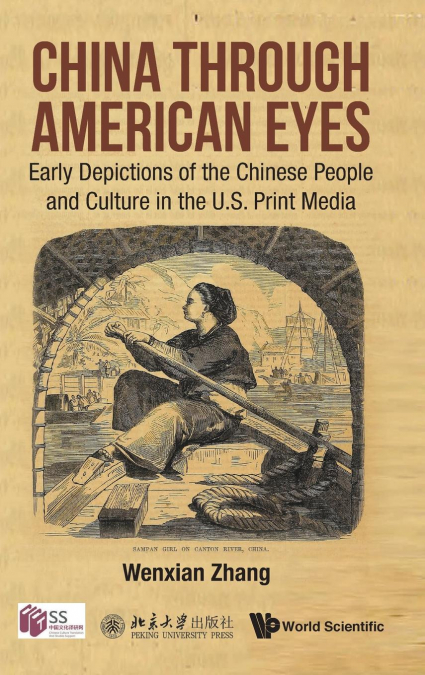
  • CHINA THROUGH AMERICAN EYES
    Wenxian Zhang / ZHANG WENXIAN
    Cultural understanding between the United States and China has been a long and complex process. The period from the mid-nineteenth century to the early twentieth century is not only a critical era in modern Chinese history, but also the peak time of illustrated news reporting in the United States. Besides images from newspapers and journals, this collection also contains pictur...

Otros libros del autor

  • Gandhi and Tagore
    Gangeya Mukherji
    This book brings together political thought of Gandhi and Tagore to examine the relationship between politics, truth and conscience. It examines in nuanced detail Tagore’s opposition to political violence in colonial Bengal and the scope of Gandhi’s nonviolence and satyagraha to offer an exploration of the first principles of ethical politics as conceived by these two and in th...
    Disponible

    94,84 €

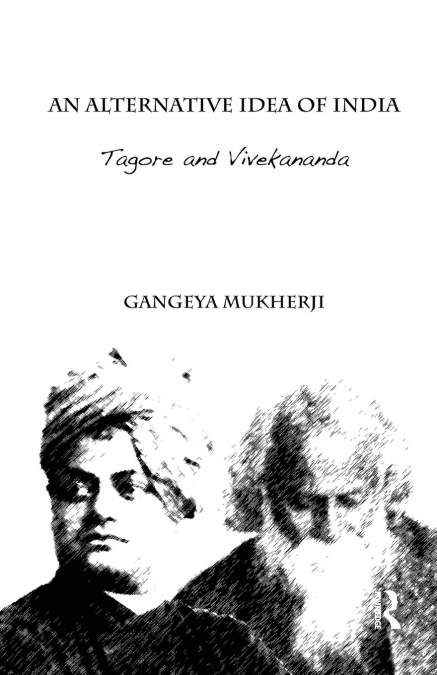
  • An Alternative Idea of India
    Gangeya Mukherji
    This book attempts to unravel the worldview of two prominent Indians of recent Indian history - Tagore and Vivekananda. Both suggested emancipation through political struggles but without transgressing the boundaries of humanism. This is significant, as identifying an enemy was an intrinsic part of nationalistic formulations. The larger philosophy of life, for Tagore and Viveka...
    Disponible

    90,81 €

  • An Alternative Idea of India
    Gangeya Mukherji
    This book constitutes an intellectual interrogation of two eminent thinkers of their time - Tagore and Vivekananda - while juxtaposing them against the historical currents of nationalism. It shows how both suggested emancipation through political struggles but without transgressing the boundaries of humanism. ...