Fitotossine correlate alla patogenesi

Fitotossine correlate alla patogenesi

K. Prabakar / S. Parthasarathy

59,31 €
IVA incluido
Disponible
Editorial:
KS OmniScriptum Publishing
Año de edición:
2025
Materia
Botánica y ciencias de las plantas
ISBN:
9786203232905
59,31 €
IVA incluido
Disponible

Selecciona una librería:

  • Librería Samer Atenea
  • Librería Aciertas (Toledo)
  • Kálamo Books
  • Librería Perelló (Valencia)
  • Librería Elías (Asturias)
  • Donde los libros
  • Librería Kolima (Madrid)
  • Librería Proteo (Málaga)

Le fitotossine sono prodotti metabolici secondari dei microrganismi che causano danni evidenti alle cellule e ai tessuti delle piante. È noto che diversi funghi patogeni producono in coltura tossine specifiche per l’ospite e non, e vi sono prove inconfutabili che tali tossine sono coinvolte nella patogenesi. In alcuni casi, tuttavia, la specificità o la selettività sono legate alla produzione e al rilascio di sostanze tossiche con caratteristiche degne di nota come la patogenicità e lo sviluppo di lesioni sintomatiche simili. Si tratta delle cosiddette tossine specifiche per l’ospite, che danneggiano o distruggono i tessuti vegetali sensibili ai patogeni che producono la tossina, ma hanno un effetto minimo o nullo su altre piante, microrganismi o animali. In questo contenuto vengono trattati i composti tossici prodotti dai patogeni fungini Colletotrichum gloeosporioides e Lasiodiplodia theobromae. Le sostanze tossiche sono state estratte e ne è stato testato il ruolo nella patogenicità. La natura non selettiva della tossina è stata determinata attraverso la perdita di elettroliti, il biotest sulle piantine e la germinazione dei semi utilizzando nove piante non ospiti e semi di cereali. I composti tossici sono stati estratti dai filtrati di coltura e le loro strutture sono state chiarite mediante cromatografia.

Artículos relacionados

  • The Green Architecture
    Ali Mirshafieyan / Ghazal Yeganeh / Maryam Zamani Motlagh
    Protecting green energy as well as non-renewable energy, as well as their sustainable use, many advances in the technology of extracting oil products and other reserves under the ground have caused many improvements. In this regard, proposing the design of buildings in which the consumption of fossil fuels reaches its lowest level is considered one of the important solutions in...
    Disponible

    82,54 €

  • Responsible Use and Management of Agrochemicals
    Juan Carlos Nava
    Uso y manejo responsable de agroquímicos is a work product of the author’s experiences (undergraduate and graduate professor, with research and extension projects), aimed at producers, companies, professionals, students, advisors, researchers, among others.Due to its structure and content, it is expected to be a valuable aid to all people directly or indirectly involved in the ...
    Disponible

    49,45 €

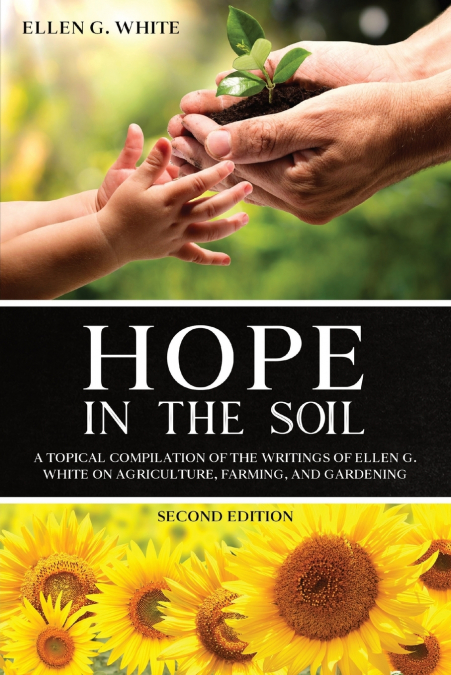
  • Hope in the Soil
    Ellen G White
    Before edible classrooms began 'sprouting' in elementary schools, before buzzwords like 'sustainable agriculture', 'organic,' or 'veganic' came into existence, an exceptional woman named Ellen G. White penned numerous letters and articles on the importance of farming, an outdoor life, and manual labor. Though often remembered for other things, Mrs. White was actively engaged in...
    Disponible

    18,38 €

  • The Green Revolution
    Binitha Sophine Emmanuel
    The Green Revolution, a transformative era in the annals of agriculture, emerged as a game-changing force during the mid-20th century, fundamentally reshaping the methodology of food production and steering the trajectory of global food security. Characterized by a sequence of technological breakthroughs, the Green Revolution aimed to substantially augment agricultural producti...
    Disponible

    53,23 €

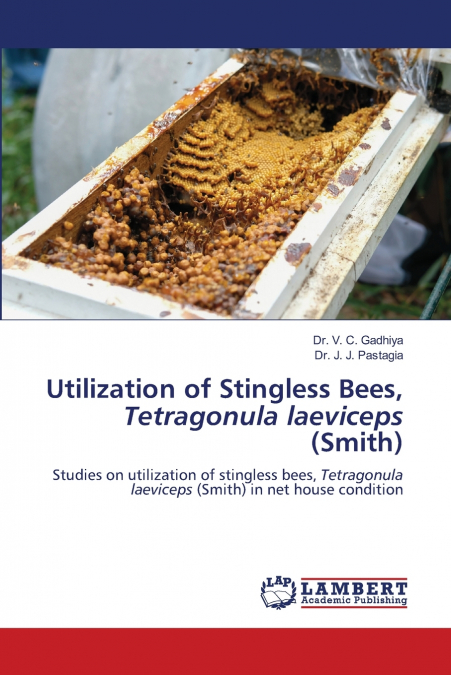
  • Utilization of Stingless Bees, Tetragonula laeviceps (Smith)
    Dr. J. J. Pastagia / Dr. V. C. Gadhiya
    The present investigations on utilization of stingless bees, T. laeviceps Smith in net house condition carried out with the broad aspects like flowers visited by stingless bees, T. laeviceps Smith, toxicity of insecticides to T. laeviceps Smith workers, floral biology of musk melon, foraging behavior of stingless bees, T. laeviceps Smith in net house condition, effect of pollin...
    Disponible

    84,80 €

  • La révolution verte
    Binitha Sophine Emmanuel
    La révolution verte, une ère transformatrice dans les annales de l’agriculture, est apparue comme une force qui a changé la donne au milieu du 20e siècle, remodelant fondamentalement la méthodologie de la production alimentaire et orientant la trajectoire de la sécurité alimentaire mondiale. Caractérisée par une série de percées technologiques, la révolution verte visait à augm...
    Disponible

    53,29 €

Otros libros del autor

  • Fitotoxinas relacionadas com a patogénese
    K. Prabakar / S. Parthasarathy
    As fitotoxinas são os produtos metabólicos secundários dos microrganismos, que causam danos óbvios às células e tecidos das plantas. Sabe-se que vários fungos patogénicos produzem toxinas específicas do hospedeiro e não específicas do hospedeiro em cultura e há provas conclusivas de que essas toxinas estão envolvidas na patogénese. Em alguns casos, contudo, a especificidade ou ...
    Disponible

    59,31 €

  • Fitotoksyny związane z patogenezą
    K. Prabakar / S. Parthasarathy
    Fitotoksyny są wtórnymi produktami metabolizmu mikroorganizmów, które powodują oczywiste uszkodzenia komórek i tkanek roślinnych. Wiadomo, że kilka patogennych grzybów wytwarza toksyny specyficzne i niespecyficzne dla gospodarza w kulturze i istnieją niezbite dowody na to, że takie toksyny są zaangażowane w patogenezę. Jednak w niektórych przypadkach specyficzność lub selektywn...
    Disponible

    59,29 €

  • Phytotoxines liées à la pathogenèse
    K. Prabakar / S. Parthasarathy
    Les phytotoxines sont les produits métaboliques secondaires des micro-organismes qui causent des dommages évidents aux cellules et aux tissus des plantes. Plusieurs champignons pathogènes sont connus pour produire des toxines spécifiques à l’hôte et non spécifiques à l’hôte en culture et il existe des preuves concluantes que ces toxines sont impliquées dans la pathogenèse. Dans...
    Disponible

    59,45 €

  • Pathogenese-bezogene Phytotoxine
    K. Prabakar / S. Parthasarathy
    Phytotoxine sind sekundäre Stoffwechselprodukte von Mikroorganismen, die Pflanzenzellen und -gewebe deutlich schädigen. Von mehreren pathogenen Pilzen ist bekannt, dass sie in Kulturen wirtsspezifische und nicht-wirtsspezifische Toxine produzieren, und es gibt eindeutige Belege dafür, dass diese Toxine an der Pathogenese beteiligt sind. In einigen Fällen hängt die Spezifität od...
    Disponible

    59,43 €