
Inicio > Matemáticas y ciencia > Biologia, ciencias de la vida > Botánica y ciencias de las plantas > Facteurs influençant la production de sorgho dans les pays en développement
Facteurs influençant la production de sorgho dans les pays en développement

Facteurs influençant la production de sorgho dans les pays en développement

Ngau Mutua

54,32 €
IVA incluido
Disponible
Editorial:
KS OmniScriptum Publishing
Año de edición:
2023
Materia
Botánica y ciencias de las plantas
ISBN:
9786205659243
54,32 €
IVA incluido
Disponible

Selecciona una librería:

  • Librería Samer Atenea
  • Librería Aciertas (Toledo)
  • Kálamo Books
  • Librería Perelló (Valencia)
  • Librería Elías (Asturias)
  • Donde los libros
  • Librería Kolima (Madrid)
  • Librería Proteo (Málaga)

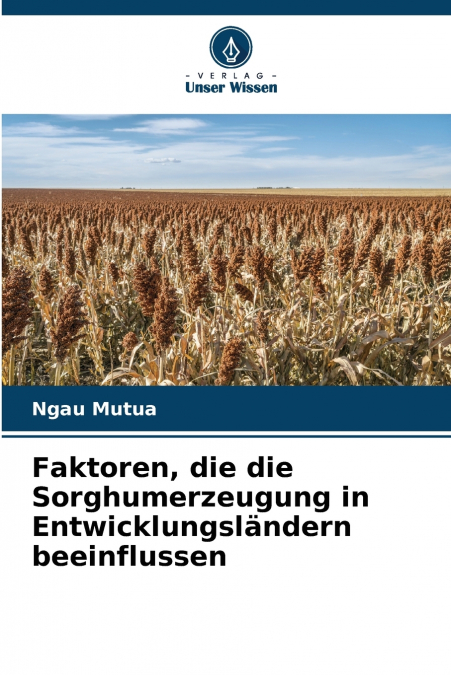
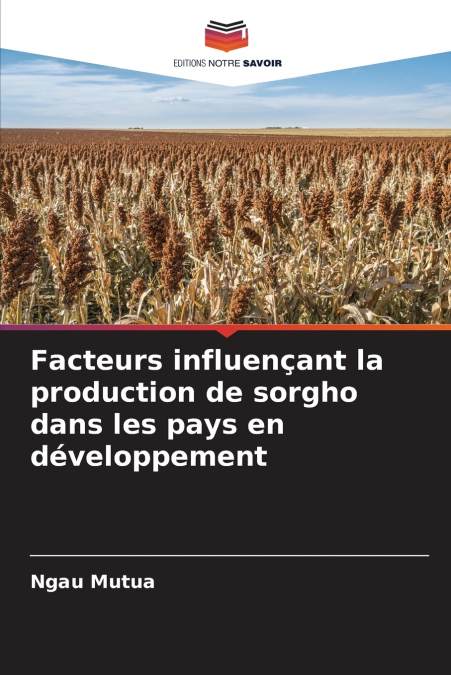
Le sorgho fait partie de la poignée de plantes d’élite qui fournissent collectivement plus de 85 % de toute l’énergie humaine et renforcent la sécurité alimentaire des ménages. La sécurité alimentaire d’un ménage signifie que tous ses membres ont accès à tout moment à une nourriture suffisante pour mener une vie active et saine. Dans le monde, environ 925 millions de personnes sont en situation d’insécurité alimentaire. Deux cent trente-neuf millions de personnes se trouvent en Afrique subsaharienne et le nombre de personnes souffrant de la faim en Afrique subsaharienne a augmenté ces derniers temps. Les facteurs influençant la production de sorgho dans les pays en développement présentent les caractéristiques socio-économiques des agriculteurs et leur influence sur la production de sorgho, notamment l’âge, le sexe, la taille de l’exploitation, le niveau d’éducation, le niveau de revenu personnel, l’adhésion à des coopératives, l’accès au crédit, le nombre de contacts de vulgarisation, la proximité du marché, les infrastructures (routes, logements, écoles, cliniques, eau potable), le revenu agricole annuel, la taille du ménage des agriculteurs et les années d’expérience agricole. Les facteurs influençant la production de sorgho dans les pays en voie de développement est une ressource importante pour toute personne impliquée dans la production agricole dans le monde.
Artículos relacionados

  • The Green Architecture
    Ali Mirshafieyan / Ghazal Yeganeh / Maryam Zamani Motlagh
    Protecting green energy as well as non-renewable energy, as well as their sustainable use, many advances in the technology of extracting oil products and other reserves under the ground have caused many improvements. In this regard, proposing the design of buildings in which the consumption of fossil fuels reaches its lowest level is considered one of the important solutions in...
    Disponible

    82,54 €

  • Responsible Use and Management of Agrochemicals
    Juan Carlos Nava
    Uso y manejo responsable de agroquímicos is a work product of the author’s experiences (undergraduate and graduate professor, with research and extension projects), aimed at producers, companies, professionals, students, advisors, researchers, among others.Due to its structure and content, it is expected to be a valuable aid to all people directly or indirectly involved in the ...
    Disponible

    49,45 €

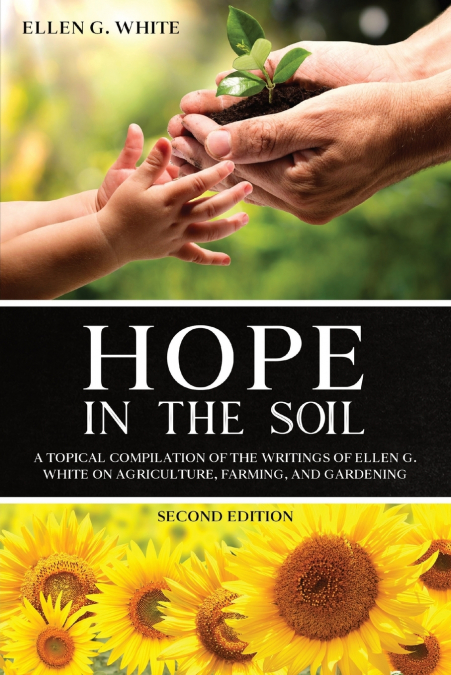
  • Hope in the Soil
    Ellen G White
    Before edible classrooms began 'sprouting' in elementary schools, before buzzwords like 'sustainable agriculture', 'organic,' or 'veganic' came into existence, an exceptional woman named Ellen G. White penned numerous letters and articles on the importance of farming, an outdoor life, and manual labor. Though often remembered for other things, Mrs. White was actively engaged in...
    Disponible

    18,38 €

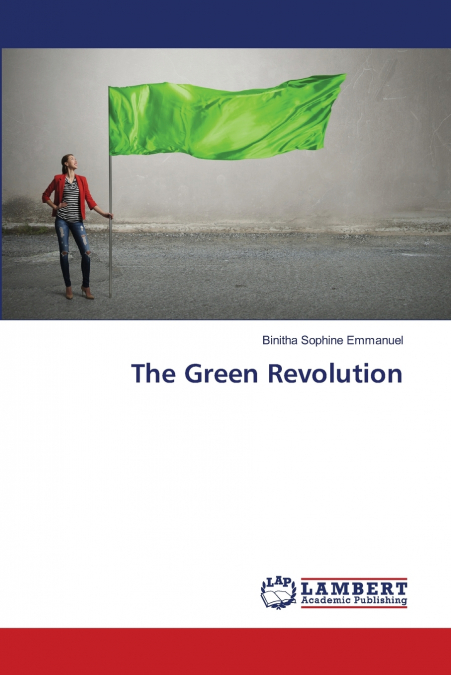
  • The Green Revolution
    Binitha Sophine Emmanuel
    The Green Revolution, a transformative era in the annals of agriculture, emerged as a game-changing force during the mid-20th century, fundamentally reshaping the methodology of food production and steering the trajectory of global food security. Characterized by a sequence of technological breakthroughs, the Green Revolution aimed to substantially augment agricultural producti...
    Disponible

    53,23 €

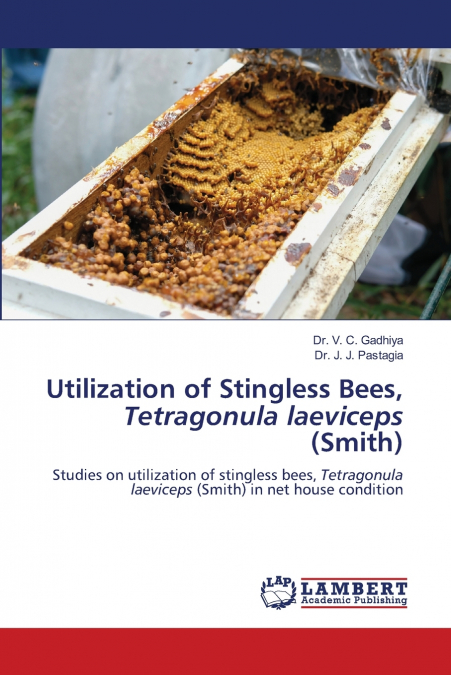
  • Utilization of Stingless Bees, Tetragonula laeviceps (Smith)
    Dr. J. J. Pastagia / Dr. V. C. Gadhiya
    The present investigations on utilization of stingless bees, T. laeviceps Smith in net house condition carried out with the broad aspects like flowers visited by stingless bees, T. laeviceps Smith, toxicity of insecticides to T. laeviceps Smith workers, floral biology of musk melon, foraging behavior of stingless bees, T. laeviceps Smith in net house condition, effect of pollin...
    Disponible

    84,80 €

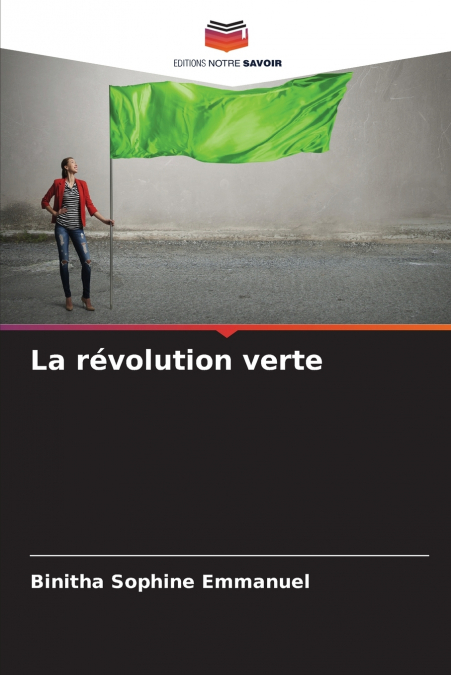
  • La révolution verte
    Binitha Sophine Emmanuel
    La révolution verte, une ère transformatrice dans les annales de l’agriculture, est apparue comme une force qui a changé la donne au milieu du 20e siècle, remodelant fondamentalement la méthodologie de la production alimentaire et orientant la trajectoire de la sécurité alimentaire mondiale. Caractérisée par une série de percées technologiques, la révolution verte visait à augm...
    Disponible

    53,29 €

Otros libros del autor

  • Faktoren, die die Sorghumerzeugung in Entwicklungsländern beeinflussen
    Ngau Mutua
    Sorghum gehört zu den wenigen Pflanzen, die zusammen mehr als 85 % der gesamten menschlichen Energie liefern und die Ernährungssicherheit der Haushalte verbessern. Ernährungssicherheit bedeutet für einen Haushalt, dass alle Mitglieder jederzeit Zugang zu genügend Nahrung für ein aktives und gesundes Leben haben. Weltweit sind etwa 925 Millionen Menschen von Ernährungsunsicherhe...
    Disponible

    54,32 €