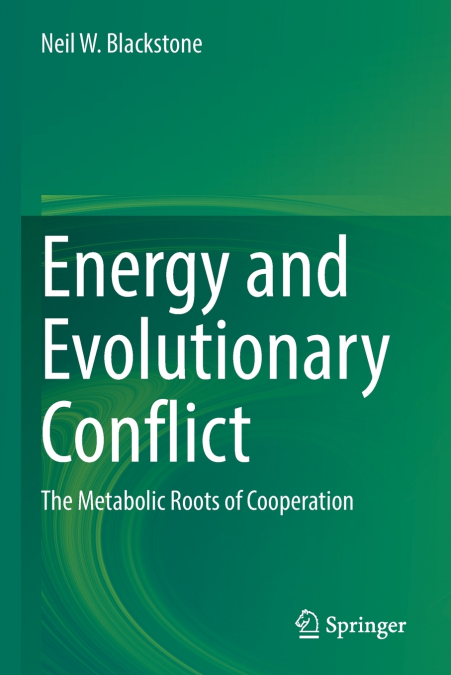

Energy and Evolutionary Conflict

Energy and Evolutionary Conflict

Neil W. Blackstone

172,63 €
IVA incluido
Disponible
Editorial:
Springer Nature B.V.
Año de edición:
2023
Materia
Evolución
ISBN:
9783031060618
172,63 €
IVA incluido
Disponible

Selecciona una librería:

  • Librería Samer Atenea
  • Librería Aciertas (Toledo)
  • Kálamo Books
  • Librería Perelló (Valencia)
  • Librería Elías (Asturias)
  • Donde los libros
  • Librería Kolima (Madrid)
  • Librería Proteo (Málaga)

In the mid- to late-twentieth century, large scientific conflicts flared in two seemingly distinct fields of scientific inquiry.  In bioenergetics, which examines how organisms obtain and utilize energy, the chemiosmotic hypothesis of Mitchell suggested a novel mechanism for energy conversion. In evolutionary biology, meanwhile, Wynne Edwards strongly articulated the view that organisms may act for the 'good of the group.'  This work crystalized a long history of imprecise thinking about the evolution of cooperation. While both controversies have received ample attention, no one has ever suggested that one might inform the other, i.e., that energy metabolism in general and chemiosmosis in particular might be relevant to the evolution of cooperation. The central idea is nevertheless remarkably simple. Chemiosmosis rapidly converts energy, and once storage capacity is exceeded, an overabundance of product has various negative consequences.  While to some extent chemiosmotic processes can be modulated, under certain circumstances it is also possible to simply disperse the products into the environment.This book argues that these two heretofore distinct scientific disciplines are connected, thereby suggesting that a ubiquitous process of energy conversion may underlie the evolution of cooperation and link major transitions in the history of life that have been regarded as mechanistically unrelated.
Artículos relacionados

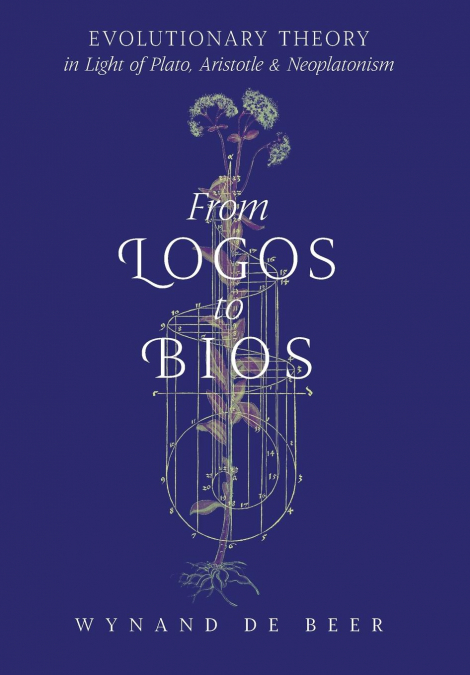
  • From Logos to Bios
    Wynand de Beer
    ...
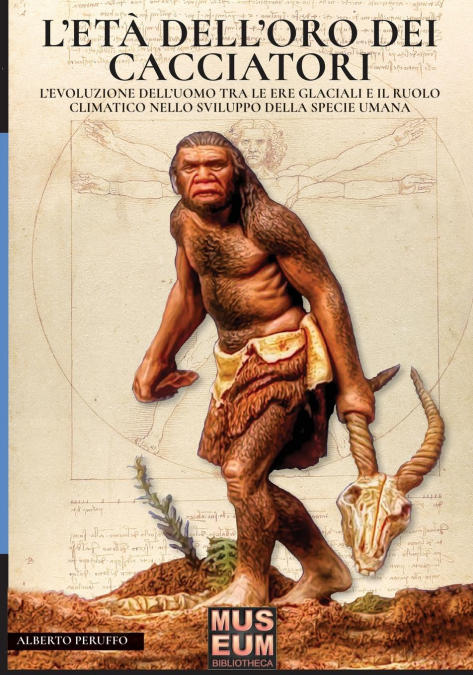
  • L’età dell’oro dei cacciatori
    Alberto Peruffo
    L'universo, il pianeta Terra, l'uomo. L'avventura della specie umana si dipana lentamente dall'essere unicellulare fino all'uomo dei giorni nostri che, tra mille travagli, ha raggiunto la condizione di assoluta supremazia.La presenza nell'uomo moderno dei geni del DNA dell'uomo di Neanderthal ha chiarito che, questi antichi uomini, facevano parte, a ...
    Disponible

    40,53 €

  • Exploring Genome’s Junkyard
    Subir Ranjan Kundu
    Exploring Genome’s Junkyard: In the Labyrinth of Evolution narrates the progress of biological evolution, beginning with the conceptual introspection of gene and continuing with the contemporary understanding of the structural and function aspects of the human genome. Recent advances in human genome research have led scientists to the term 'biological dark matter,' which refers...
  • European Hair, Eye, and Skin Color
    Peter Frost
    Europeans, especially those from northern and eastern Europe, are unique in having diverse hair and eye colors and a skin almost as pale as an albino’s. Those colors are not only brighter than the original black and brown but also 'purer'-they lie within thin slices of the visible spectrum. Overall, that color scheme is more developed in women, who naturally have a higher incid...
  • Mitochondrial Eve and Y-Chromosomal Adam
    Subir Ranjan Kundu
    Mitochondrial Eve and Y-Chromosomal Adam discusses theoretical ideas, interpretations, and paleontological evidence to narrate the origin and evolutionary story of Sapiens through the transitional stages of archaic human species involved in the evolutionary pilgrimage, from the great apes and to modern humans. Author Subir Ranjan Kundu investigates the DNA footprints of primate...
  • When Evolution Stops
    Armando Simon
    Evolution is a fact. The evidence for it is simply overwhelming. However, the original mechanism that generates the evolutionary process, as first put forth simultaneously by Charles Darwin and Alfred R. Wallace and which became known as Natural Selection, has now been seen to be too simplistic by some scientists aside from the hard-core neo-Darwinists who insist that nothing w...
    Disponible

    28,77 €

Otros libros del autor

  • Energy and Evolutionary Conflict
    Neil W. Blackstone
    In the mid- to late-twentieth century, large scientific conflicts flared in two seemingly distinct fields of scientific inquiry.  In bioenergetics, which examines how organisms obtain and utilize energy, the chemiosmotic hypothesis of Mitchell suggested a novel mechanism for energy conversion. In evolutionary biology, meanwhile, Wynne Edwards strongly articulated the view that ...