
Energiegewinnung aus landwirtschaftlichen Abfällen

Energiegewinnung aus landwirtschaftlichen Abfällen

Ayhan TOZLUOĞLU

151,06 €
IVA incluido
Disponible
Editorial:
KS OmniScriptum Publishing
Año de edición:
2026
Materia
Botánica y ciencias de las plantas
ISBN:
9786630177213
151,06 €
IVA incluido
Disponible

Selecciona una librería:

  • Librería Samer Atenea

  • Kálamo Books
  • Librería Elías (Asturias)
  • Librería Kolima (Madrid)
  • Librería Proteo (Málaga)

Weizenstroh, Maisstängel und Haselnussschalen, die in der Türkei in großen Mengen als landwirtschaftliche Abfallprodukte anfallen, könnten wertvolle Rohstoffe für die Bioethanolproduktion sein. Nach der Ernte werden diese Rohstoffe in der Regel auf den Feldern zurückgelassen und verbrannt, was die biologische Aktivität des Bodens verringert und Luftverschmutzung verursacht. Durch den Einsatz innovativer Biotechnologie können diese Abfallstoffe sowohl wirtschaftliche Vorteile als auch ökologische Vorteile bieten. Das Hauptziel dieser Studie war es, die Eignung dieser Abfälle für die Bioethanolproduktion zu untersuchen und Vorbehandlungstechniken hinsichtlich ihrer Effizienz zu vergleichen. In dieser Studie wurden Weizenstroh, Maisstängel und Haselnussschalen zunächst dampfexplodiert und anschließend chemisch behandelt, um eine effiziente Hydrolyse zu erreichen. Die herkömmlichen Chemikalien Natriumhydroxid (NaOH), Schwefelsäure (H₂SO₄), Wasserstoffperoxid (H₂O₂) sowie eine alternative Chemikalie, Natriumborhydrid (NaBH₄), wurden zum ersten Mal überhaupt im chemischen Behandlungsverfahren eingesetzt.
Artículos relacionados

  • The Green Architecture
    Ali Mirshafieyan / Ghazal Yeganeh / Maryam Zamani Motlagh
    Protecting green energy as well as non-renewable energy, as well as their sustainable use, many advances in the technology of extracting oil products and other reserves under the ground have caused many improvements. In this regard, proposing the design of buildings in which the consumption of fossil fuels reaches its lowest level is considered one of the important solutions in...
    Disponible

    93,95 €

  • Responsible Use and Management of Agrochemicals
    Juan Carlos Nava
    Uso y manejo responsable de agroquímicos is a work product of the author’s experiences (undergraduate and graduate professor, with research and extension projects), aimed at producers, companies, professionals, students, advisors, researchers, among others.Due to its structure and content, it is expected to be a valuable aid to all people directly or indirectly involved in the ...
    Disponible

    56,25 €

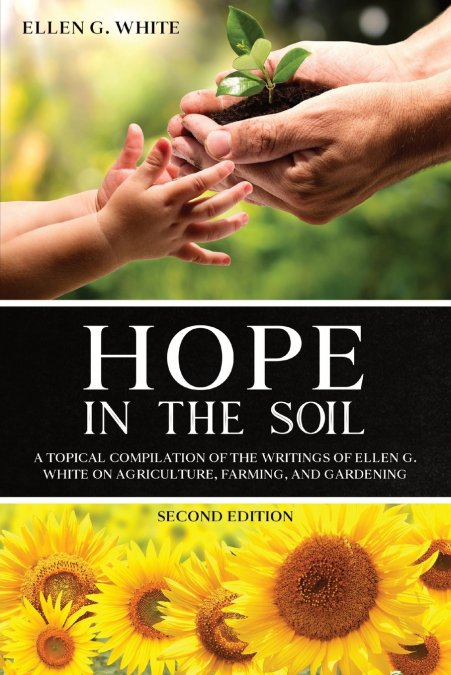
  • Hope in the Soil
    Ellen G White
    Before edible classrooms began 'sprouting' in elementary schools, before buzzwords like 'sustainable agriculture', 'organic,' or 'veganic' came into existence, an exceptional woman named Ellen G. White penned numerous letters and articles on the importance of farming, an outdoor life, and manual labor. Though often remembered for other things, Mrs. White was actively engaged in...
    Disponible

    20,23 €

  • The Green Revolution
    Binitha Sophine Emmanuel
    The Green Revolution, a transformative era in the annals of agriculture, emerged as a game-changing force during the mid-20th century, fundamentally reshaping the methodology of food production and steering the trajectory of global food security. Characterized by a sequence of technological breakthroughs, the Green Revolution aimed to substantially augment agricultural producti...
    Disponible

    60,53 €

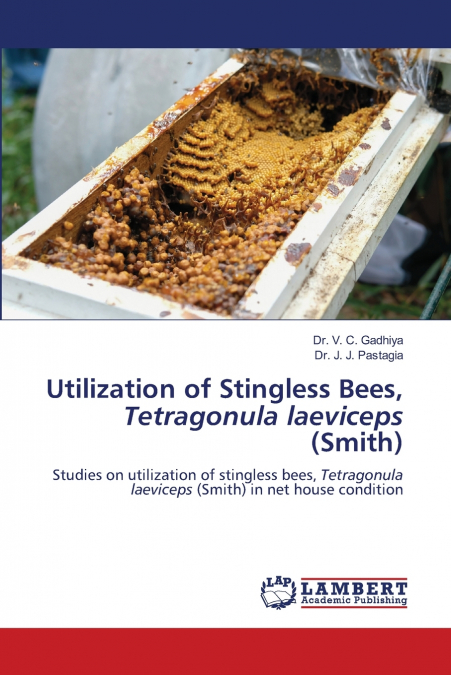
  • Utilization of Stingless Bees, Tetragonula laeviceps (Smith)
    Dr. J. J. Pastagia / Dr. V. C. Gadhiya
    The present investigations on utilization of stingless bees, T. laeviceps Smith in net house condition carried out with the broad aspects like flowers visited by stingless bees, T. laeviceps Smith, toxicity of insecticides to T. laeviceps Smith workers, floral biology of musk melon, foraging behavior of stingless bees, T. laeviceps Smith in net house condition, effect of pollin...
    Disponible

    96,50 €

  • La révolution verte
    Binitha Sophine Emmanuel
    La révolution verte, une ère transformatrice dans les annales de l’agriculture, est apparue comme une force qui a changé la donne au milieu du 20e siècle, remodelant fondamentalement la méthodologie de la production alimentaire et orientant la trajectoire de la sécurité alimentaire mondiale. Caractérisée par une série de percées technologiques, la révolution verte visait à augm...
    Disponible

    60,59 €

Otros libros del autor

  • Extraindo energia de resíduos agrícolas
    Ayhan TOZLUOĞLU
    A palha de trigo, os talos de milho e as cascas de avelã, resíduos agrícolas abundantes na Turquia, podem constituir matérias-primas valiosas para a produção de bioetanol. Após a colheita, estas matérias-primas são normalmente deixadas nos campos e queimadas, o que diminui a atividade biológica do solo e causa poluição atmosférica. Através da utilização de biotecnologia inovado...
    Disponible

    149,61 €

  • Récupérer l’énergie des déchets agricoles
    Ayhan TOZLUOĞLU
    La paille de blé, les tiges de maïs et les coques de noisettes, qui constituent des déchets agricoles abondants en Turquie, pourraient être des matières premières précieuses pour la production de bioéthanol. Après la récolte, ces matières premières sont généralement laissées dans les champs et brûlées, ce qui réduit l’activité biologique du sol et entraîne une pollution atmosph...
    Disponible

    151,06 €

  • Raccogliere energia dai rifiuti agricoli
    Ayhan TOZLUOĞLU
    La paglia di grano, gli steli di mais e i gusci di nocciola, che in Turchia costituiscono abbondanti scarti agricoli, potrebbero rappresentare preziose materie prime per la produzione di bioetanolo. Dopo il raccolto, queste materie prime vengono solitamente lasciate nei campi e bruciate, il che riduce l’attività biologica del suolo e causa inquinamento atmosferico. Grazie all’u...
    Disponible

    151,09 €

  • Pozyskiwanie energii z odpadów rolniczych
    Ayhan TOZLUOĞLU
    Słoma pszeniczna, łodygi kukurydzy i łupiny orzechów laskowych, które stanowią obfite odpady rolnicze w Turcji, mogą być cennym surowcem do produkcji bioetanolu. Po zbiorach surowce te są zazwyczaj pozostawiane na polach i spalane, co zmniejsza aktywność biologiczną gleby i powoduje zanieczyszczenie powietrza. Dzięki zastosowaniu innowacyjnych technologii biotechnologicznych od...
    Disponible

    151,11 €

  • HARVESTING ENERGY FROM AGRICULTURAL WASTE
    Ayhan TOZLUOĞLU
    Wheat straw, corn stalks and hazelnut husks which are abundant agricultural waste products in Turkey, could be valuable raw materials for bioethanol production. After harvest, these raw materials are usually left in the fields and burned, which decreases the biological activity of the soil and causes air pollution. Through the use of innovative biotechnology, these waste materi...
    Disponible

    121,42 €