Inicio > Matemáticas y ciencia > Biologia, ciencias de la vida > Botánica y ciencias de las plantas > Energie- und Proteinverhältnisse in der Geflügelproduktion in den Tropen
Energie- und Proteinverhältnisse in der Geflügelproduktion in den Tropen

Energie- und Proteinverhältnisse in der Geflügelproduktion in den Tropen

Kaushalendra Kumar / Shahla Perween

61,61 €
IVA incluido
Disponible
Editorial:
KS OmniScriptum Publishing
Año de edición:
2024
Materia
Botánica y ciencias de las plantas
ISBN:
9786207846788
61,61 €
IVA incluido
Disponible

Selecciona una librería:

  • Librería Samer Atenea
  • Librería Aciertas (Toledo)
  • Kálamo Books
  • Librería Perelló (Valencia)
  • Librería Elías (Asturias)
  • Donde los libros
  • Librería Kolima (Madrid)
  • Librería Proteo (Málaga)

Die traditionelle Ernährung der Mehrheit der Landbevölkerung ist mäßig energiereich und eiweißarm, da mehr Getreide verwendet wird und teure Lebensmittel wie Fisch, Fleisch und Eier nur in begrenztem Umfang zur Verfügung stehen. Die pflanzlichen Eiweißquellen, die von den Haushalten in den Dörfern verwendet werden, weisen einen Mangel an kritischen und essenziellen Aminosäuren wie Lysin und Methionin auf, was wiederum zu einer Proteinunterernährung führen kann. Die Fütterung von Nahrungsmitteln mit einem Mangel an hochwertigen Eiweißquellen wie Hühnereiern, Fleisch und anderen Produkten von Hühnern setzt sie, insbesondere schwangere Frauen, stillende Mütter und heranwachsende Kinder, vielen häufigen Krankheiten aus. Die Geflügelzucht im Hinterhof kann unter dörflichen Bedingungen den Ernährungszustand und die wirtschaftliche Lage der armen Landbevölkerung verbessern. Die Eier und Vögel können sowohl zu Hause verwendet als auch auf dem städtischen Markt, wo eine beträchtliche Nachfrage nach Eiern und Vögeln aus Hinterhofhaltung besteht, zu höheren Preisen verkauft werden. Die Hinterhofrasse Vanaraja, die vom Project Directorate of Poultry (PDP), Hyderabad, entwickelt wurde, ist sehr gut an das dörfliche Klima akklimatisiert und weist ein gutes Wachstum und eine moderate Eierproduktion auf, wie aus der Leistungsstudie hervorgeht, die sowohl in unserer Forschungseinheit als auch auf den Feldern der Bauern durchgeführt wurde.
Artículos relacionados

  • The Green Architecture
    Ali Mirshafieyan / Ghazal Yeganeh / Maryam Zamani Motlagh
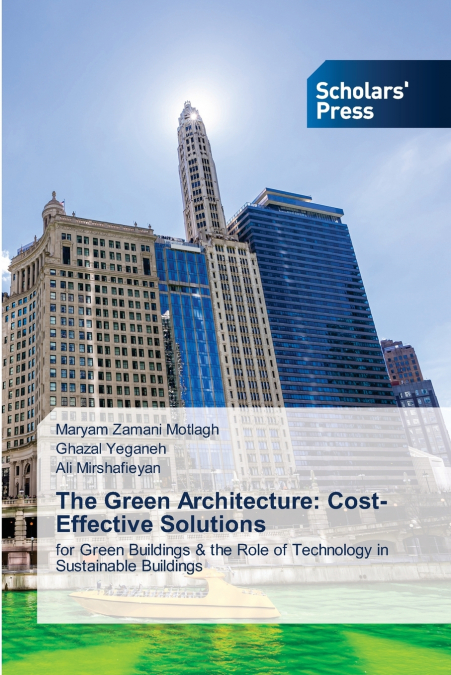
    Protecting green energy as well as non-renewable energy, as well as their sustainable use, many advances in the technology of extracting oil products and other reserves under the ground have caused many improvements. In this regard, proposing the design of buildings in which the consumption of fossil fuels reaches its lowest level is considered one of the important solutions in...
    Disponible

    82,54 €

  • Responsible Use and Management of Agrochemicals
    Juan Carlos Nava
    Uso y manejo responsable de agroquímicos is a work product of the author’s experiences (undergraduate and graduate professor, with research and extension projects), aimed at producers, companies, professionals, students, advisors, researchers, among others.Due to its structure and content, it is expected to be a valuable aid to all people directly or indirectly involved in the ...
    Disponible

    49,45 €

  • Hope in the Soil
    Ellen G White
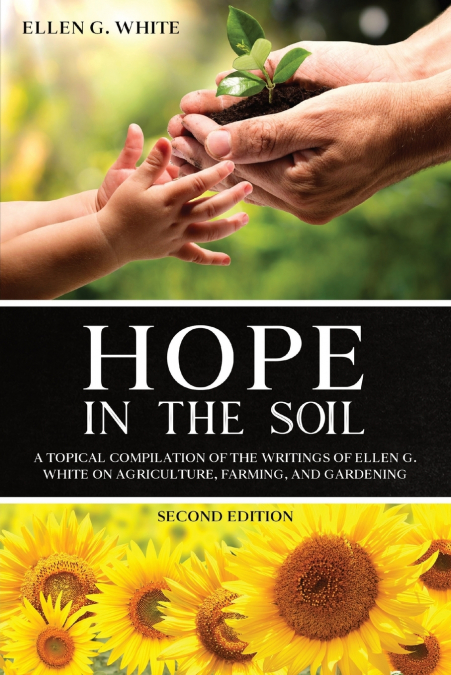
    Before edible classrooms began 'sprouting' in elementary schools, before buzzwords like 'sustainable agriculture', 'organic,' or 'veganic' came into existence, an exceptional woman named Ellen G. White penned numerous letters and articles on the importance of farming, an outdoor life, and manual labor. Though often remembered for other things, Mrs. White was actively engaged in...
    Disponible

    18,38 €

  • The Green Revolution
    Binitha Sophine Emmanuel
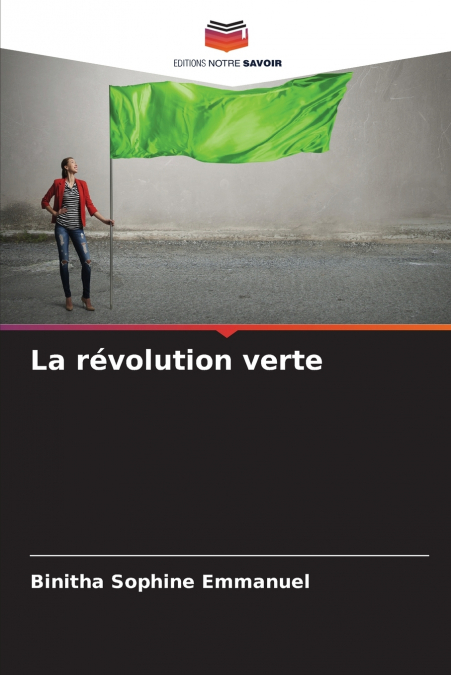
    The Green Revolution, a transformative era in the annals of agriculture, emerged as a game-changing force during the mid-20th century, fundamentally reshaping the methodology of food production and steering the trajectory of global food security. Characterized by a sequence of technological breakthroughs, the Green Revolution aimed to substantially augment agricultural producti...
    Disponible

    53,23 €

  • Utilization of Stingless Bees, Tetragonula laeviceps (Smith)
    Dr. J. J. Pastagia / Dr. V. C. Gadhiya
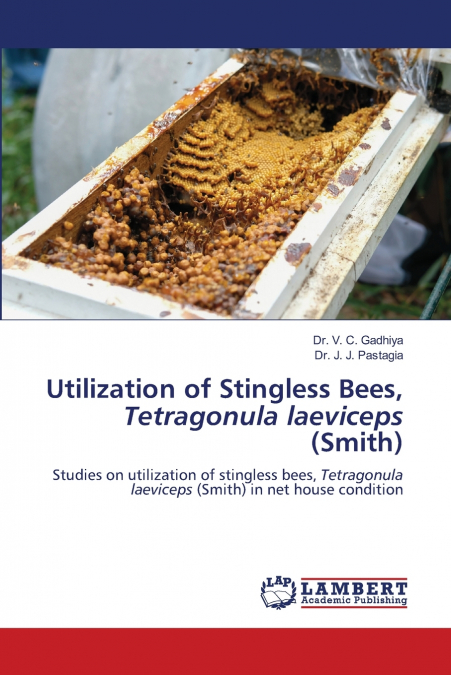
    The present investigations on utilization of stingless bees, T. laeviceps Smith in net house condition carried out with the broad aspects like flowers visited by stingless bees, T. laeviceps Smith, toxicity of insecticides to T. laeviceps Smith workers, floral biology of musk melon, foraging behavior of stingless bees, T. laeviceps Smith in net house condition, effect of pollin...
    Disponible

    84,80 €

  • La révolution verte
    Binitha Sophine Emmanuel
    La révolution verte, une ère transformatrice dans les annales de l’agriculture, est apparue comme une force qui a changé la donne au milieu du 20e siècle, remodelant fondamentalement la méthodologie de la production alimentaire et orientant la trajectoire de la sécurité alimentaire mondiale. Caractérisée par une série de percées technologiques, la révolution verte visait à augm...
    Disponible

    53,29 €

Otros libros del autor

  • Relations entre l’énergie et les protéines dans la production de volaille sous les tropiques
    Kaushalendra Kumar / Shahla Perween
    Le régime alimentaire traditionnel de la majorité des populations rurales est modéré en énergie et pauvre en protéines, en raison de l’utilisation accrue de céréales et de l’utilisation restreinte d’aliments coûteux tels que le poisson, la viande et les œufs. Les sources de protéines végétales utilisées par les ménages villageois sont déficientes en acides aminés essentiels com...
    Disponible

    61,61 €

  • Relazioni tra energia e proteine nella produzione di pollame ai tropici
    Kaushalendra Kumar / Shahla Perween
    La dieta tradizionale della maggior parte delle popolazioni rurali è moderata dal punto di vista energetico e povera di proteine, a causa dell’uso maggiore di cereali e dell’uso limitato di alimenti costosi come pesce, carne e uova. Le fonti proteiche vegetali utilizzate dalle famiglie dei villaggi sono carenti di aminoacidi essenziali come la lisina e la metionina, che a loro ...
    Disponible

    61,55 €

  • Relações entre energia e proteína na produção avícola nos trópicos
    Kaushalendra Kumar / Shahla Perween
    A dieta tradicional da maioria da população rural é moderada em energia e pobre em proteínas, devido à maior utilização de cereais e ao uso restrito de alimentos caros como o peixe, a carne e os ovos. As fontes de proteínas vegetais utilizadas pelos agregados familiares das aldeias são deficientes em aminoácidos críticos e essenciais como a lisina e a metionina, o que, por sua ...
    Disponible

    61,55 €