
Elenchi delle piante medicinali antidiabetiche

Elenchi delle piante medicinali antidiabetiche

Majda Laadim

71,96 €
IVA incluido
Disponible
Editorial:
KS OmniScriptum Publishing
Año de edición:
2026
Materia
Botánica y ciencias de las plantas
ISBN:
9786630389180
71,96 €
IVA incluido
Disponible

Selecciona una librería:

  • Librería Samer Atenea

  • Kálamo Books
  • Librería Elías (Asturias)
  • Librería Kolima (Madrid)
  • Librería Proteo (Málaga)

L’indagine etnobotanica condotta tra gli erboristi della città di Sidi Slimane ha permesso di censire 42 specie appartenenti a 22 famiglie botaniche. Le famiglie più frequenti sono: le Apiaceae, rappresentate da 7 specie; le Lamiaceae, entrambe rappresentate da 7 specie ciascuna; seguite dalle Fabaceae con 4 specie, poi dalle Asteraceae con 3 specie; le Myrtaceae e le Poaceae, rappresentate da 2 specie ciascuna; infine le Apocynaceae, le Cactaceae, le Caryophyllaceae, Cucurbitaceae, Lauraceae, Linaceae, Pedaliaceae, Oleaceae, Punicaceae, Sapotaceae, Schisandraceae, Ranunculaceae, Rosaceae e Zygophyllaceae, ciascuna con una sola specie. Le parti delle piante più utilizzate sono i semi e le foglie; le ricette vengono preparate essenzialmente sotto forma di infusi e decotti e somministrate per via orale. I risultati di questo studio hanno costituito un’importante fonte di informazioni per la città e potrebbero rivelarsi utili per l’identificazione di nuovi principi attivi antidiabetici utilizzabili nel settore farmaceutico.


Artículos relacionados

  • The Green Architecture
    Ali Mirshafieyan / Ghazal Yeganeh / Maryam Zamani Motlagh
    Protecting green energy as well as non-renewable energy, as well as their sustainable use, many advances in the technology of extracting oil products and other reserves under the ground have caused many improvements. In this regard, proposing the design of buildings in which the consumption of fossil fuels reaches its lowest level is considered one of the important solutions in...
    Disponible

    82,54 €

  • Responsible Use and Management of Agrochemicals
    Juan Carlos Nava
    Uso y manejo responsable de agroquímicos is a work product of the author’s experiences (undergraduate and graduate professor, with research and extension projects), aimed at producers, companies, professionals, students, advisors, researchers, among others.Due to its structure and content, it is expected to be a valuable aid to all people directly or indirectly involved in the ...
    Disponible

    49,45 €

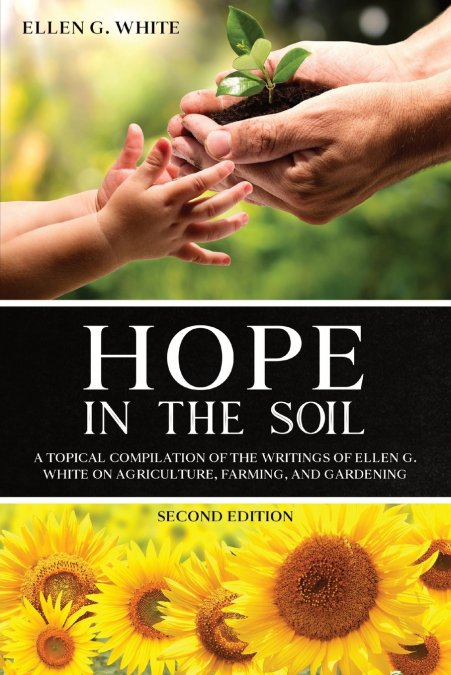
  • Hope in the Soil
    Ellen G White
    Before edible classrooms began 'sprouting' in elementary schools, before buzzwords like 'sustainable agriculture', 'organic,' or 'veganic' came into existence, an exceptional woman named Ellen G. White penned numerous letters and articles on the importance of farming, an outdoor life, and manual labor. Though often remembered for other things, Mrs. White was actively engaged in...
    Disponible

    18,38 €

  • The Green Revolution
    Binitha Sophine Emmanuel
    The Green Revolution, a transformative era in the annals of agriculture, emerged as a game-changing force during the mid-20th century, fundamentally reshaping the methodology of food production and steering the trajectory of global food security. Characterized by a sequence of technological breakthroughs, the Green Revolution aimed to substantially augment agricultural producti...
    Disponible

    53,23 €

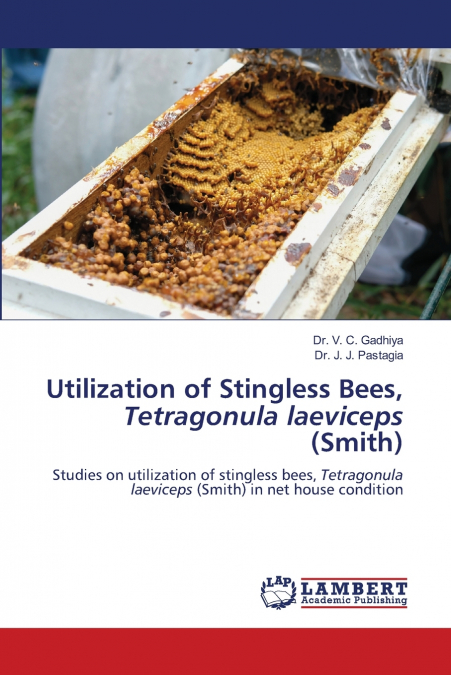
  • Utilization of Stingless Bees, Tetragonula laeviceps (Smith)
    Dr. J. J. Pastagia / Dr. V. C. Gadhiya
    The present investigations on utilization of stingless bees, T. laeviceps Smith in net house condition carried out with the broad aspects like flowers visited by stingless bees, T. laeviceps Smith, toxicity of insecticides to T. laeviceps Smith workers, floral biology of musk melon, foraging behavior of stingless bees, T. laeviceps Smith in net house condition, effect of pollin...
    Disponible

    84,80 €

  • La révolution verte
    Binitha Sophine Emmanuel
    La révolution verte, une ère transformatrice dans les annales de l’agriculture, est apparue comme une force qui a changé la donne au milieu du 20e siècle, remodelant fondamentalement la méthodologie de la production alimentaire et orientant la trajectoire de la sécurité alimentaire mondiale. Caractérisée par une série de percées technologiques, la révolution verte visait à augm...
    Disponible

    53,29 €

Otros libros del autor

  • Verzeichnisse der Heilpflanzen mit antidiabetischer Wirkung
    Majda Laadim
    Die ethnobotanische Untersuchung unter den Kräuterkundigen der Stadt Sidi Slimane ermöglichte die Erfassung von 42 Arten aus 22 botanischen Familien. Die am häufigsten vorkommenden Familien sind: die Apiaceae mit 7 Arten, die Lamiaceae - beide Familien sind mit jeweils 7 Arten vertreten -, gefolgt von den Fabaceae mit 4 Arten, dann die Asteraceae mit 3 Arten, die Myrtaceae und ...
    Disponible

    72,02 €

  • Inventories of Medicinal Plants Used to Treat Diabetes
    Majda Laadim
    The ethnobotanical survey conducted among herbalists in the town of Sidi Slimane identified 42 species belonging to 22 botanical families. The most common families are: Apiaceae, represented by 7 species; Lamiaceae, with 7 species; followed by Fabaceae with 4 species; then Asteraceae with 3 species; Myrtaceae and Poaceae, each represented by 2 species; and finally Apocynaceae, ...
    Disponible

    71,96 €

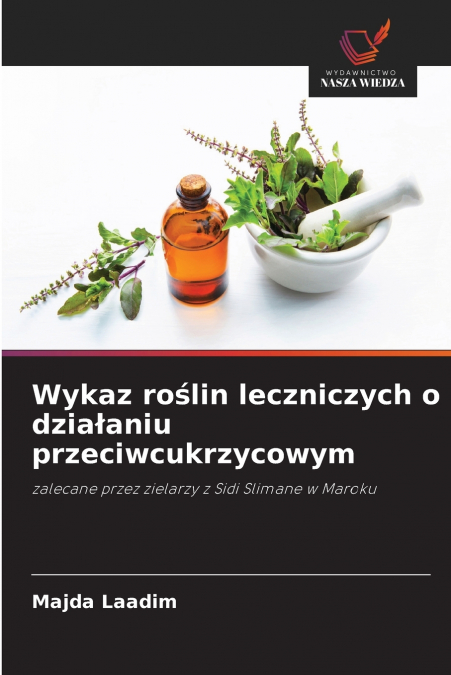
  • Wykaz roślin leczniczych o działaniu przeciwcukrzycowym
    Majda Laadim
    Badanie etnobotaniczne przeprowadzone wśród zielarzy z miasta Sidi Slimane pozwoliło na ocenę 42 gatunków należących do 22 rodzin botanicznych. Najczęściej występującymi rodzinami są: Apiaceae, reprezentowana przez 7 gatunków, oraz Lamiaceae - obie rodziny reprezentowane są przez po 7 gatunków, następnie Fabaceae z 4 gatunkami, Asteraceae z 3 gatunkami, Myrtaceae i Poaceae, rep...
    Disponible

    71,96 €

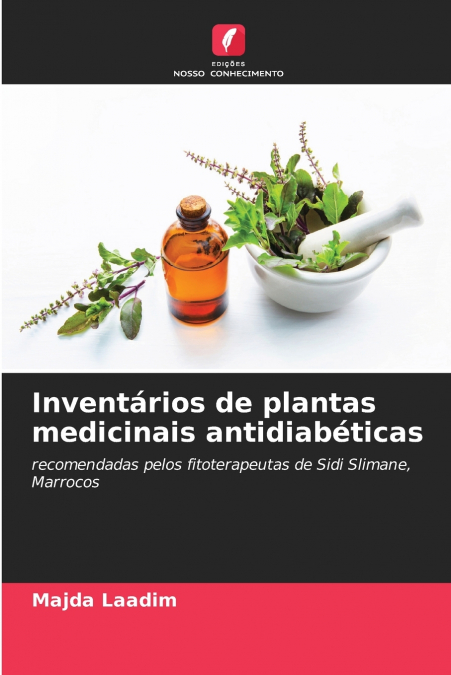
  • Inventários de plantas medicinais antidiabéticas
    Majda Laadim
    O estudo etnobotânico realizado junto dos herboristas da cidade de Sidi Slimane permitiu avaliar 42 espécies distribuídas por 22 famílias botânicas. As famílias mais frequentes são: as Apiaceae, representadas por 7 espécies; as Lamiaceae, ambas representadas por 7 espécies cada; seguidas pelas Fabaceae, com 4 espécies; depois as Asteraceae, com 3 espécies; as Myrtaceae e as Poa...
    Disponible

    71,96 €