 Librería Samer Atenea
 Kálamo Books
 Librería Elías (Asturias)
 Librería Kolima (Madrid)
 Librería Proteo (Málaga)
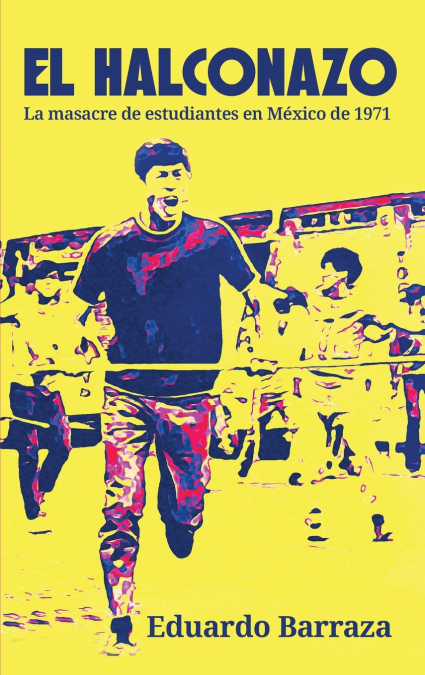
En 1971, los estudiantes universitarios mexicanos comenzaron a reorganizar su movimiento luego de que el gobierno aplastara violentamente sus protestas el 2 de octubre de 1968. El recién electo presidente Luis Echeverría Álvarez adoptó un enfoque diferente para lidiar con el activismo estudiantil, liberando a los presos políticos detenidos por su en el movimiento de 1968, que se detuvo después de la Masacre de Tlatelolco. Con sus demandas insatisfechas, los organizadores estudiantiles planearon una manifestación masiva para el 10 de junio de 1971. Sería una marcha de tres kilómetros en la que participarían miles de estudiantes de universidades y escuelas preparatorias de todo el país. Mientras los estudiantes marchaban ante una fuerte presencia de la policía antidisturbios, cientos de jóvenes vestidos de civil se abalanzaron sobre los manifestantes. Inicialmente parecían estudiantes rivales, pero los hombres estaban armados con palos de kendo y comenzaron a atacar brutalmente a los manifestantes y transeúntes. Luego, los atacantes comenzaron a disparar contra los manifestantes con rifles semiautomáticos. Más tarde se reveló que el ataque era un plan bien coordinado preparado por funcionarios de la ciudad para dispersar la marcha y, según los informes, decenas de personas resultaron heridos o muertos. Noticias y fotografías posteriores mostraron que los atacantes eran, de hecho, miembros de un grupo paramilitar patrocinado por el estado conocido como los Halcones, que estaban en la nómina del gobierno de la ciudad para disolver manifestaciones y golpear a los manifestantes. Como resultado, el ataque se conoció como El Halconazo. En 2021, el pueblo mexicano conmemoró el quincuagésimo aniversario de la masacre estudiantil. El Halconazo, la masacre de estudiantes en México de 1971 (segunda edición) ofrece un relato detallado de un evento trágico en la historia de México, destacando las tensiones políticas y la violencia que han caracterizado la relación del país con su población estudiantil. ENGLISH: In 1971, Mexican university students began reorganizing their movement following the government’s violent crushing of their protests on October 2, 1968. Newly-elected President Luis Echeverria Alvarez took a different approach to deal with student activism, freeing political prisoners detained for their role in the 1968 movement, which stopped after the Tlatelolco Massacre. However, with their unmet demands, student organizers planned a massive demonstration for June 10, 1971. It was meant to be a two-mile march involving thousands of students from universities and high schools nationwide. However, as students marched amid a heavy presence of anti-riot police, hundreds of young men dressed in plain clothes descended upon the demonstrators. Initially appearing to be rival students, the men were armed with kendo sticks and began brutally attacking protesters and bystanders. The attackers then began to shoot at the demonstrators with semi-automatic rifles. The attack was later revealed to be a well-coordinated plan prepared by city officials to disperse the march, and dozens were reportedly injured or killed. News reports and photographs showed that the attackers were, in fact, members of a state-sponsored paramilitary group known as Los Halcones (The Falcons), who were on the city government’s payroll to break up demonstrations and beat protesters. As a result, the attack became known as El Halconazo (Falcon Strike). In 2021, the Mexican people commemorated the fiftieth anniversary of the student massacre. El Halconazo, la masacre de estudiantes en México de 1971 (2nd edition) provides a detailed account of a tragic event in Mexican history, highlighting the political tensions and violence that have characterized the country’s relationship with its student population.