East Asia

East Asia

East Asia

Hugh Dyson Walker

36,35 €
IVA incluido
Disponible
Editorial:
AuthorHouse
Año de edición:
2012
Materia
Historia de Asia
ISBN:
9781477265161
36,35 €
IVA incluido
Disponible

Selecciona una librería:

  • Librería Samer Atenea
  • Librería Aciertas (Toledo)
  • Kálamo Books
  • Librería Perelló (Valencia)
  • Librería Elías (Asturias)
  • Donde los libros
  • Librería Kolima (Madrid)
  • Librería Proteo (Málaga)

Histories of East Asia traditionally emphasize China and Japan, and neglect Korea and Vietnam. Essentially, 20th century East Asia is re-written into the past, as though China and Japan was always the core of East Asian development. This is not at all how East Asia developed. Chinese prehistoric cultures became historic in the 18th century B.C.! Japan was not part of East Asia for over 2300 more years. By studying periods of Chinese unity and disunity, and their effects on China’s neighbors, Korea and Vietnam, a distinct culture zone, East Asia, gradually emerged, and slowly included Japan. The main elements of East Asia-cultural, social, political, philosophical, religious and linguistic-were derived from China, but the others were not minor replicas of China. Each was unique: its people ethnically distinct, from China and each other; its native language, and linguistic blend with Chinese, also unique. Korea and Vietnam resisted Chinese colonization, but adopted and adapted advance Chinese elements to their own needs. Emerging later, Japan underwent wholesale adoption of Tang China’s advances, replicated in the 19th century, when Japan was the first East Asian country to modernize. Spanning some thirty-eight centuries, from the 18th century B.C. to 2012 A.D., this diversity with common elements derived from China, is a major theme of this work. It is often overlooked by those who prefer general views, based on surface impressions, to more complex realities. The former often lead to mistakes; the latter become the basis for more sound understanding. After all, these four countries and people share the eastern end of the Eurasian continent, yet each country’s geographic situation is also unique. As the twenty-first century continues to unfold, this new approach to East Asia should help to produce clearer and more accurate understanding of this important world region.
Artículos relacionados

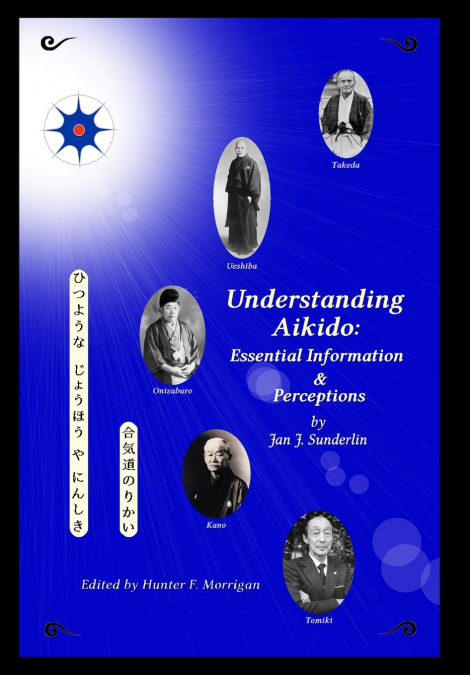
  • Understanding Aikido
    Jan J Sunderlin
    Understanding Aikido: Essential Information and Perceptions (Special Edition) presents an historical, cultural, and philosophical look at the development of the Japanese martial art of Aikido. Sunderlin focuses on the influences brought to bear on Morihei Ueshiba, the founder of Aikido, and the subsequent cultivation of the latter's martial art as a vessel of Budo. The author a...
    Disponible

    63,06 €

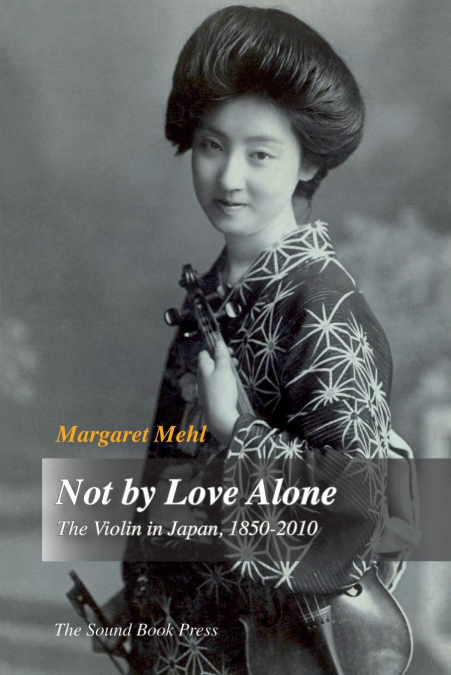
  • Not by Love Alone
    Margaret Mehl
    Suzuki Shin'ichi, the Tokyo String Quartet, Midori - How did Japanese violinists manage to revolutionize violin teaching, win international competitions, conquer Western concert stages, study at world-famous conservatoires and take up positions in leading orchestras and prestigious music faculties? What enabled the Japanese to master Western classical music within a few decades...
    Disponible

    29,32 €

  • Pictures in Transformation
    Luca Maria Olivieri
    ...
    Disponible

    54,79 €

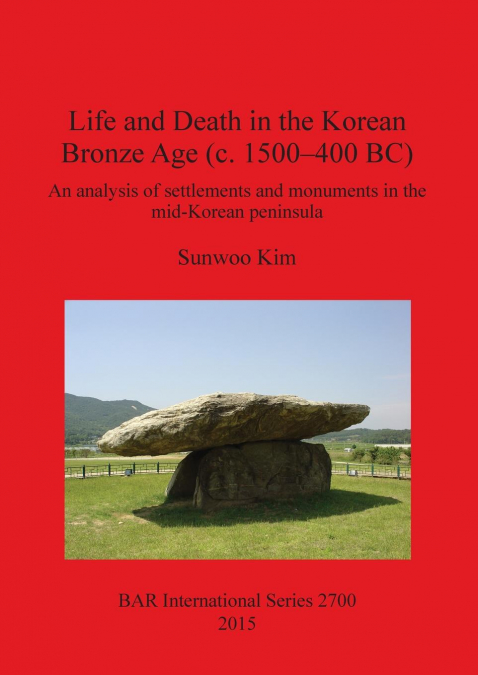
  • Life and Death in the Korean Bronze Age (c. 1500-400 BC)
    Sunwoo Kim
    This research focuses on the Bronze Age in selected areas of Korea; Seoul, Incheon, and Gyeonggi province. Two forms of evidence - settlements and monuments - are taken into account to identify their relationship with landscape and the social changes occurring between ca. 1500 to 400 cal BC. Life and death in the Bronze Age in Korea has not been synthetically investigated befor...
    Disponible

    108,34 €

  • South Asian Archaeology 2007
    Proceedings of the 19th Meeting of the European Association of South Asian Archaeology in Ravenna, Italy, July 2007.                     ...
    Disponible

    182,04 €

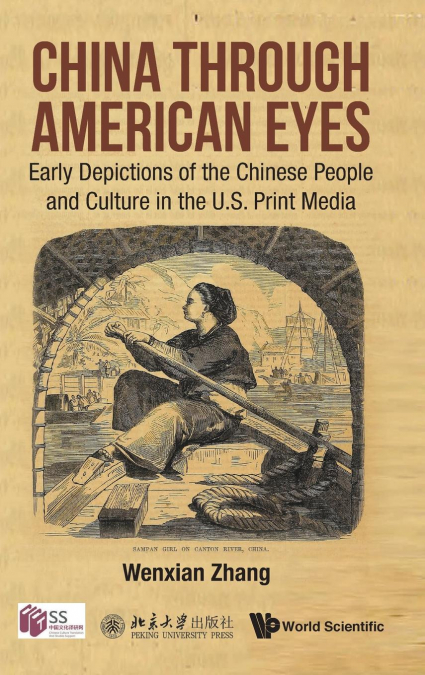
  • CHINA THROUGH AMERICAN EYES
    Wenxian Zhang / ZHANG WENXIAN
    Cultural understanding between the United States and China has been a long and complex process. The period from the mid-nineteenth century to the early twentieth century is not only a critical era in modern Chinese history, but also the peak time of illustrated news reporting in the United States. Besides images from newspapers and journals, this collection also contains pictur...