Inicio > Matemáticas y ciencia > Biologia, ciencias de la vida > Botánica y ciencias de las plantas > DESENVOLVIMENTO DE TECNOLOGIAS ROBÓTICAS PARA A GESTÃO DE PRAGAS
DESENVOLVIMENTO DE TECNOLOGIAS ROBÓTICAS PARA A GESTÃO DE PRAGAS

DESENVOLVIMENTO DE TECNOLOGIAS ROBÓTICAS PARA A GESTÃO DE PRAGAS

GANESH SATHIYAMURTHY / Kandibane Muthusamy

73,64 €
IVA incluido
Disponible
Editorial:
KS OmniScriptum Publishing
Año de edición:
2026
Materia
Botánica y ciencias de las plantas
ISBN:
9786209871375
73,64 €
IVA incluido
Disponible

Selecciona una librería:

  • Librería Samer Atenea
  • Kálamo Books
  • Librería Elías (Asturias)
  • Librería Kolima (Madrid)
  • Librería Proteo (Málaga)

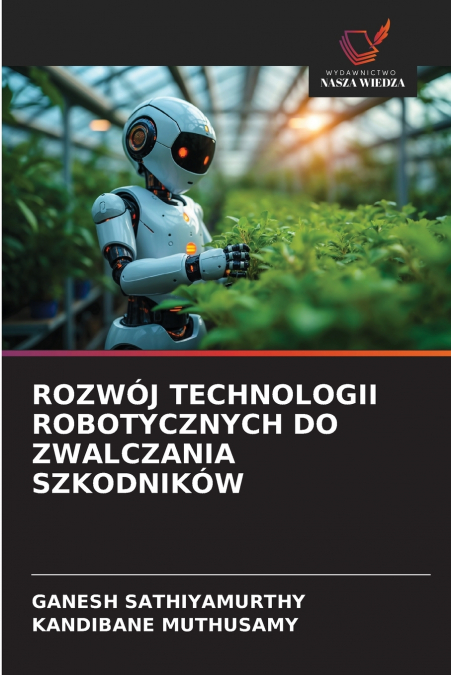
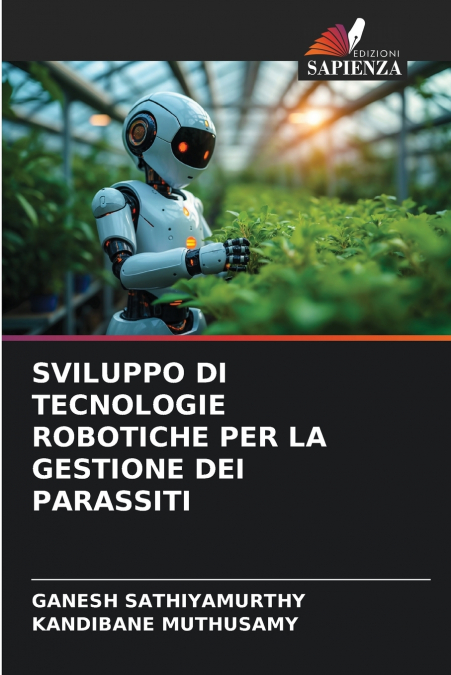
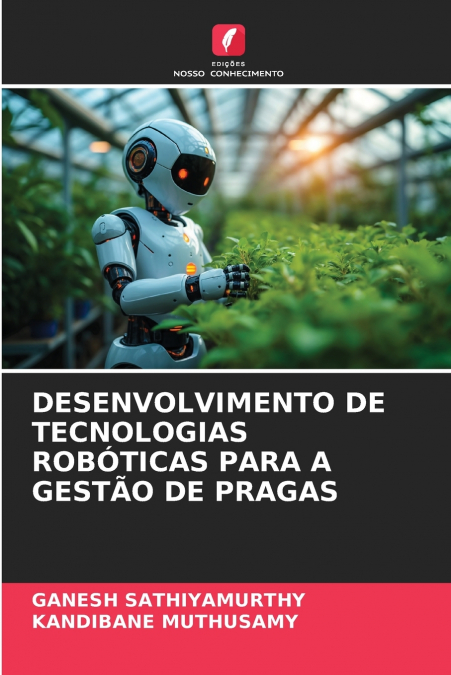
A gestão das pragas é uma componente essencial da agricultura, uma vez que as pragas, como os insectos, as doenças e as ervas daninhas, causam perdas significativas nas culturas em todo o mundo. Os métodos tradicionais de gestão das pragas baseiam-se principalmente na prospeção manual dos campos e na aplicação de pesticidas químicos, que exigem muita mão de obra e conduzem frequentemente à poluição ambiental, à resistência aos pesticidas e a riscos para a saúde. Por conseguinte, há uma necessidade crescente de tecnologias avançadas que possam melhorar a eficiência e a precisão da monitorização e do controlo das pragas. A tecnologia robótica surgiu como uma solução inovadora para ultrapassar as limitações das práticas convencionais de gestão das pragas. Os robôs agrícolas equipados com sensores, visão computorizada, inteligência artificial e sistemas de navegação autónomos podem detetar infestações de pragas, monitorizar as condições das culturas e realizar operações específicas de controlo de pragas. As plataformas robóticas, como os veículos aéreos não tripulados (UAV) e os veículos terrestres não tripulados (UGV), permitem a monitorização das culturas em tempo real, a deteção precoce de pragas e a aplicação de pesticidas em locais específicos. Estas tecnologias reduzem a necessidade de mão de obra, minimizam a utilização de produtos químicos e melhoram a eficiência e a sustentabilidade da gestão das pragas na agricultura.
Artículos relacionados

  • The Green Architecture
    Ali Mirshafieyan / Ghazal Yeganeh / Maryam Zamani Motlagh
    Protecting green energy as well as non-renewable energy, as well as their sustainable use, many advances in the technology of extracting oil products and other reserves under the ground have caused many improvements. In this regard, proposing the design of buildings in which the consumption of fossil fuels reaches its lowest level is considered one of the important solutions in...
    Disponible

    82,54 €

  • Responsible Use and Management of Agrochemicals
    Juan Carlos Nava
    Uso y manejo responsable de agroquímicos is a work product of the author’s experiences (undergraduate and graduate professor, with research and extension projects), aimed at producers, companies, professionals, students, advisors, researchers, among others.Due to its structure and content, it is expected to be a valuable aid to all people directly or indirectly involved in the ...
    Disponible

    49,45 €

  • Hope in the Soil
    Ellen G White
    Before edible classrooms began 'sprouting' in elementary schools, before buzzwords like 'sustainable agriculture', 'organic,' or 'veganic' came into existence, an exceptional woman named Ellen G. White penned numerous letters and articles on the importance of farming, an outdoor life, and manual labor. Though often remembered for other things, Mrs. White was actively engaged in...
    Disponible

    18,38 €

  • The Green Revolution
    Binitha Sophine Emmanuel
    The Green Revolution, a transformative era in the annals of agriculture, emerged as a game-changing force during the mid-20th century, fundamentally reshaping the methodology of food production and steering the trajectory of global food security. Characterized by a sequence of technological breakthroughs, the Green Revolution aimed to substantially augment agricultural producti...
    Disponible

    53,23 €

  • Utilization of Stingless Bees, Tetragonula laeviceps (Smith)
    Dr. J. J. Pastagia / Dr. V. C. Gadhiya
    The present investigations on utilization of stingless bees, T. laeviceps Smith in net house condition carried out with the broad aspects like flowers visited by stingless bees, T. laeviceps Smith, toxicity of insecticides to T. laeviceps Smith workers, floral biology of musk melon, foraging behavior of stingless bees, T. laeviceps Smith in net house condition, effect of pollin...
    Disponible

    84,80 €

  • La révolution verte
    Binitha Sophine Emmanuel
    La révolution verte, une ère transformatrice dans les annales de l’agriculture, est apparue comme une force qui a changé la donne au milieu du 20e siècle, remodelant fondamentalement la méthodologie de la production alimentaire et orientant la trajectoire de la sécurité alimentaire mondiale. Caractérisée par une série de percées technologiques, la révolution verte visait à augm...
    Disponible

    53,29 €

Otros libros del autor

  • DÉVELOPPEMENT DE TECHNOLOGIES ROBOTIQUES POUR LA LUTTE CONTRE LES RAVAGEURS
    GANESH SATHIYAMURTHY / Kandibane Muthusamy
    La lutte contre les ravageurs est une composante essentielle de l’agriculture, car les ravageurs tels que les insectes, les maladies et les mauvaises herbes sont à l’origine d’importantes pertes de récoltes dans le monde entier. Les méthodes traditionnelles de lutte contre les parasites reposent principalement sur le dépistage manuel dans les champs et l’application de pesticid...
    Disponible

    73,70 €

  • ENTWICKLUNG VON ROBOTERTECHNOLOGIEN FÜR DIE SCHÄDLINGSBEKÄMPFUNG
    GANESH SATHIYAMURTHY / Kandibane Muthusamy
    Die Schädlingsbekämpfung ist ein wesentlicher Bestandteil der Landwirtschaft, da Schädlinge wie Insekten, Krankheiten und Unkraut weltweit erhebliche Ernteverluste verursachen. Herkömmliche Schädlingsbekämpfungsmethoden beruhen hauptsächlich auf manueller Feldbegehung und dem Einsatz chemischer Pestizide, die arbeitsintensiv sind und oft zu Umweltverschmutzung, Pestizidresisten...
    Disponible

    73,70 €

  • ROZWÓJ TECHNOLOGII ROBOTYCZNYCH DO ZWALCZANIA SZKODNIKÓW
    GANESH SATHIYAMURTHY / Kandibane Muthusamy
    Zwalczanie szkodników jest istotnym elementem rolnictwa, ponieważ szkodniki, takie jak owady, choroby i chwasty, powodują znaczne straty w uprawach na całym świecie. Tradycyjne metody zwalczania szkodników opierają się głównie na ręcznym zwiadzie pola i stosowaniu chemicznych pestycydów, które są pracochłonne i często prowadzą do zanieczyszczenia środowiska, oporności na pestyc...
    Disponible

    73,64 €

  • SVILUPPO DI TECNOLOGIE ROBOTICHE PER LA GESTIONE DEI PARASSITI
    GANESH SATHIYAMURTHY / Kandibane Muthusamy
    La gestione dei parassiti è una componente essenziale dell’agricoltura, in quanto gli insetti nocivi, le malattie e le erbe infestanti causano perdite significative di raccolti in tutto il mondo. I metodi tradizionali di gestione dei parassiti si basano principalmente sull’esplorazione manuale dei campi e sull’applicazione di pesticidi chimici, che richiedono molta manodopera e...
    Disponible

    73,64 €

  • DEVELOPMENT OF ROBOTIC TECHNOLOGIES FOR PEST MANAGEMENT
    GANESH SATHIYAMURTHY / Kandibane Muthusamy
    Pest management is an essential component of agriculture because pests such as insects, diseases and weeds cause significant crop losses worldwide. Traditional pest management methods mainly rely on manual field scouting and chemical pesticide applications, which are labour-intensive and often lead to environmental pollution, pesticide resistance, and health risks. Therefore, t...
    Disponible

    72,02 €