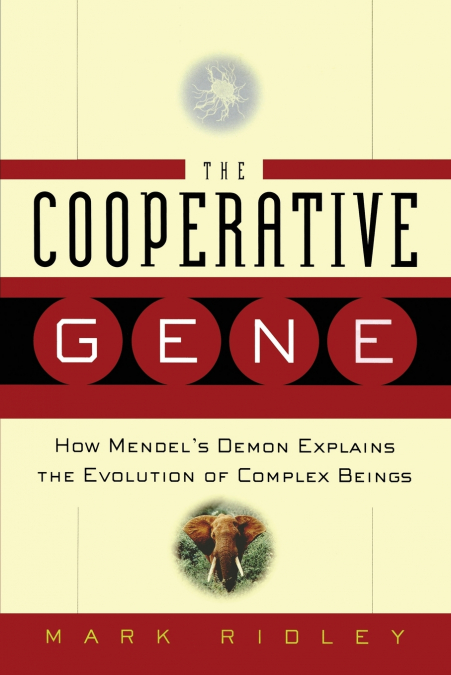

Cooperative Gene

Cooperative Gene

Cooperative Gene

Mark Ridley

19,82 €
IVA incluido
Disponible
Editorial:
Simon & Schuster
Año de edición:
2008
Materia
Evolución
ISBN:
9781439144046
19,82 €
IVA incluido
Disponible

Selecciona una librería:

  • Librería Samer Atenea
  • Librería Aciertas (Toledo)
  • Kálamo Books
  • Librería Perelló (Valencia)
  • Librería Elías (Asturias)
  • Donde los libros
  • Librería Kolima (Madrid)
  • Librería Proteo (Málaga)

Why isn’t all life pond-scum? Why are there multimillion-celled, long-lived monsters like us, built from tens of thousands of cooperating genes? Mark Ridley presents a new explanation of how complex large life forms like ourselves came to exist, showing that the answer to the greatest mystery of evolution for modern science is not the selfish gene; it is the cooperative gene.In this thought-provoking book, Ridley breaks down how two major biological hurdles had to be overcome in order to allow living complexity to evolve: the proliferation of genes and gene-selfishness. Because complex life has more genes than simple life, the increase in gene numbers poses a particular problem for complex beings. The more genes, the more chance for copying error; it is far easier to make a mistake copying the Bible than it is copying an advertising slogan. To add to the difficulty, Darwin’s concept of natural selection encourages genes that look out for themselves, selfish genes that could easily evolve to sabotage the development of complex life forms. By retracing the history of life on our planet -- from the initial wobbly, replicating molecules, through microbes, worms, and flies, and on to humans -- Ridley reveals how life evolved as a series of steps to manage error and to coerce genes to cooperate within each body. Like a benign and unseen hand -- what Ridley calls 'Mendel’s Demon' -- the combination of these strategies enacts Austrian monk Gregor Mendel’s fundamental laws of inheritance. This demon offers startling new perspectives on issues from curing AIDS, the origins of sex and gender, and cloning, to the genetics of angels. Indeed, if we are ever to understand the biology of other planets, we will need more than Darwin; we will need to understand how Mendel’s Demon made the cooperative gene into the fundamental element of life.What does the cooperative gene tell us about our future? With genetic technology burgeoning around the world, we must ask whether life will evolve to be even more complex than we already are. Human beings, Ridley concludes, may be near the limit of the possible, at least for earthly genetic mechanisms. But in the future, new genetic and reproductive biosystems could allow our descendants to increase their gene numbers and therefore their complexity. This process, he speculates, could lead to the evolution of life forms far stranger and more interesting than anything humanly discovered or imagined so far.Written with uncommon energy, force, and clarity, The Cooperative Gene is essential reading for anyone wishing to see behind the headlines of our genetic age. It is an eye-opening invitation to the biotech adventure humanity has already embarked upon.
Artículos relacionados

  • From Logos to Bios
    Wynand de Beer
    ...
  • L’età dell’oro dei cacciatori
    Alberto Peruffo
    L'universo, il pianeta Terra, l'uomo. L'avventura della specie umana si dipana lentamente dall'essere unicellulare fino all'uomo dei giorni nostri che, tra mille travagli, ha raggiunto la condizione di assoluta supremazia.La presenza nell'uomo moderno dei geni del DNA dell'uomo di Neanderthal ha chiarito che, questi antichi uomini, facevano parte, a ...
    Disponible

    40,53 €

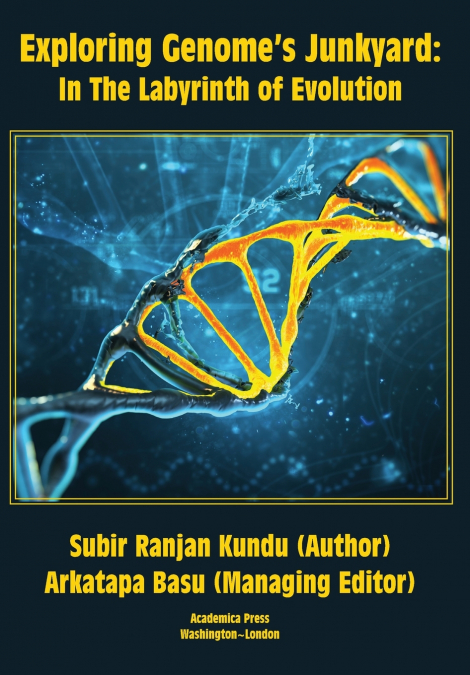
  • Exploring Genome’s Junkyard
    Subir Ranjan Kundu
    Exploring Genome’s Junkyard: In the Labyrinth of Evolution narrates the progress of biological evolution, beginning with the conceptual introspection of gene and continuing with the contemporary understanding of the structural and function aspects of the human genome. Recent advances in human genome research have led scientists to the term 'biological dark matter,' which refers...
  • European Hair, Eye, and Skin Color
    Peter Frost
    Europeans, especially those from northern and eastern Europe, are unique in having diverse hair and eye colors and a skin almost as pale as an albino’s. Those colors are not only brighter than the original black and brown but also 'purer'-they lie within thin slices of the visible spectrum. Overall, that color scheme is more developed in women, who naturally have a higher incid...
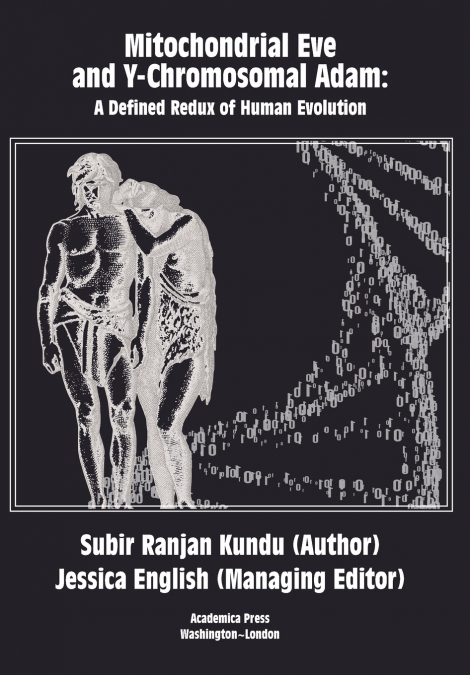
  • Mitochondrial Eve and Y-Chromosomal Adam
    Subir Ranjan Kundu
    Mitochondrial Eve and Y-Chromosomal Adam discusses theoretical ideas, interpretations, and paleontological evidence to narrate the origin and evolutionary story of Sapiens through the transitional stages of archaic human species involved in the evolutionary pilgrimage, from the great apes and to modern humans. Author Subir Ranjan Kundu investigates the DNA footprints of primate...
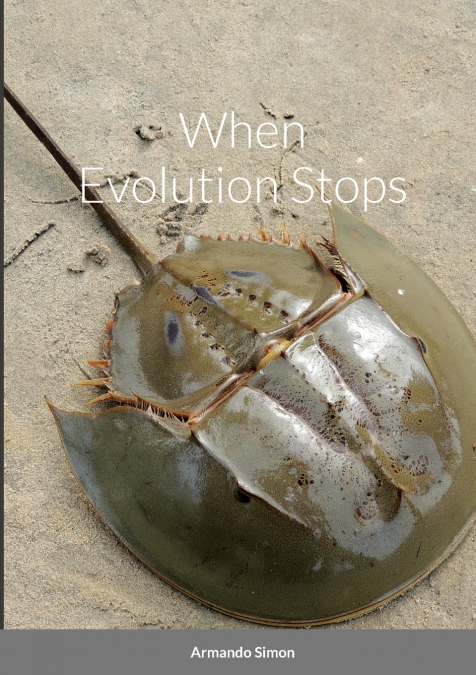
  • When Evolution Stops
    Armando Simon
    Evolution is a fact. The evidence for it is simply overwhelming. However, the original mechanism that generates the evolutionary process, as first put forth simultaneously by Charles Darwin and Alfred R. Wallace and which became known as Natural Selection, has now been seen to be too simplistic by some scientists aside from the hard-core neo-Darwinists who insist that nothing w...
    Disponible

    28,77 €

Otros libros del autor

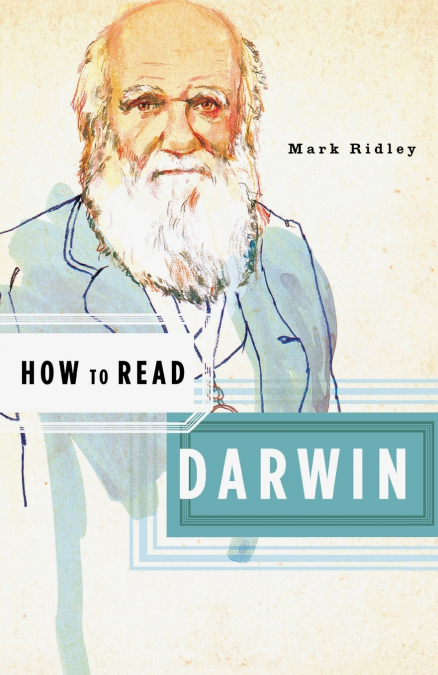
  • How to Read Darwin
    Mark Ridley
    Ridley concentrates on understanding Darwin's most important books, On the Origin of Species and The Descent of Man, but he also examines a sample from one of Darwin's other works on the emotions, as one representative from Darwin's lesser-known works that ranged from flower pollination to coral reefs, from animal domestication to landscaping by earthworms. ...
    Disponible

    14,18 €