Inicio > Matemáticas y ciencia > Biologia, ciencias de la vida > Botánica y ciencias de las plantas > Controllo biologico dei parassiti del mais mediante l’uso del Sorghum bicolor
Controllo biologico dei parassiti del mais mediante l’uso del Sorghum bicolor

Controllo biologico dei parassiti del mais mediante l’uso del Sorghum bicolor

M. Chisi / Mebelo Mataa / sj. Dondo Bena Benoît

82,98 €
IVA incluido
Disponible
Editorial:
KS OmniScriptum Publishing
Año de edición:
2025
Materia
Botánica y ciencias de las plantas
ISBN:
9786209251757
82,98 €
IVA incluido
Disponible

Selecciona una librería:

  • Librería Samer Atenea
  • Librería Aciertas (Toledo)
  • Kálamo Books
  • Librería Perelló (Valencia)
  • Librería Elías (Asturias)
  • Donde los libros
  • Librería Kolima (Madrid)
  • Librería Proteo (Málaga)

I parassiti dello stelo del mais rappresentano un grave ostacolo alla produzione di mais. Per questo motivo è necessario prestare particolare attenzione ai metodi di controllo. Questa ricerca ha utilizzato il sorgo come agente di controllo biologico dei parassiti dello stelo del mais. Il mais e il sorgo sono stati piantati in tre diverse combinazioni di colture intercalari, in file alternate (dal sorgo al mais). Le colture intercalari erano 1:1, 1:2 e 2:1. Il mais in monocoltura è stato piantato come controllo. Tutte le combinazioni di colture intercalari e la monocoltura sono state coltivate senza trattamento insetticida. Lo studio aveva i seguenti obiettivi: determinare l’efficacia del sorgo (sorghum bicolor) come agente di controllo dei parassiti del fusto del mais; valutare l’influenza della varietà di mais e sorgo sull’efficacia della consociazione nel ridurre l’attacco dei parassiti del fusto al mais e valutare l’effetto della densità della popolazione di sorgo sulla sua efficacia nella consociazione come agente di controllo biologico dei parassiti del fusto del mais. I risultati mostrano che l’attacco della piralide nel sorgo è stato oltre dieci volte superiore rispetto al mais. Tra le varietà di sorgo, l’attacco della piralide è risultato più elevato nella varietà Sima rispetto alle varietà Madura e Sweet. L’attacco della piralide è stato di circa il 55 % nella varietà Sima e di circa il 40 % nella varietà Madura.
Artículos relacionados

  • The Green Architecture
    Ali Mirshafieyan / Ghazal Yeganeh / Maryam Zamani Motlagh
    Protecting green energy as well as non-renewable energy, as well as their sustainable use, many advances in the technology of extracting oil products and other reserves under the ground have caused many improvements. In this regard, proposing the design of buildings in which the consumption of fossil fuels reaches its lowest level is considered one of the important solutions in...
    Disponible

    82,54 €

  • Responsible Use and Management of Agrochemicals
    Juan Carlos Nava
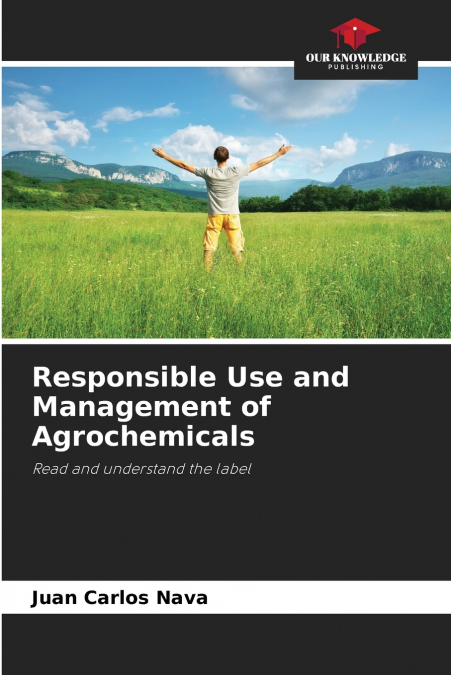
    Uso y manejo responsable de agroquímicos is a work product of the author’s experiences (undergraduate and graduate professor, with research and extension projects), aimed at producers, companies, professionals, students, advisors, researchers, among others.Due to its structure and content, it is expected to be a valuable aid to all people directly or indirectly involved in the ...
    Disponible

    49,45 €

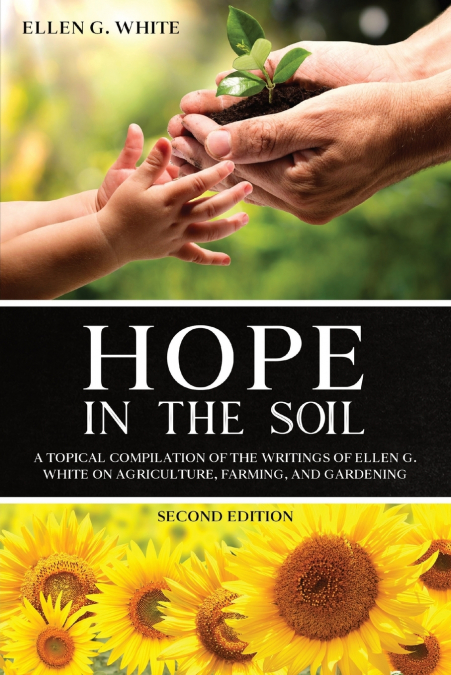
  • Hope in the Soil
    Ellen G White
    Before edible classrooms began 'sprouting' in elementary schools, before buzzwords like 'sustainable agriculture', 'organic,' or 'veganic' came into existence, an exceptional woman named Ellen G. White penned numerous letters and articles on the importance of farming, an outdoor life, and manual labor. Though often remembered for other things, Mrs. White was actively engaged in...
    Disponible

    18,38 €

  • The Green Revolution
    Binitha Sophine Emmanuel
    The Green Revolution, a transformative era in the annals of agriculture, emerged as a game-changing force during the mid-20th century, fundamentally reshaping the methodology of food production and steering the trajectory of global food security. Characterized by a sequence of technological breakthroughs, the Green Revolution aimed to substantially augment agricultural producti...
    Disponible

    53,23 €

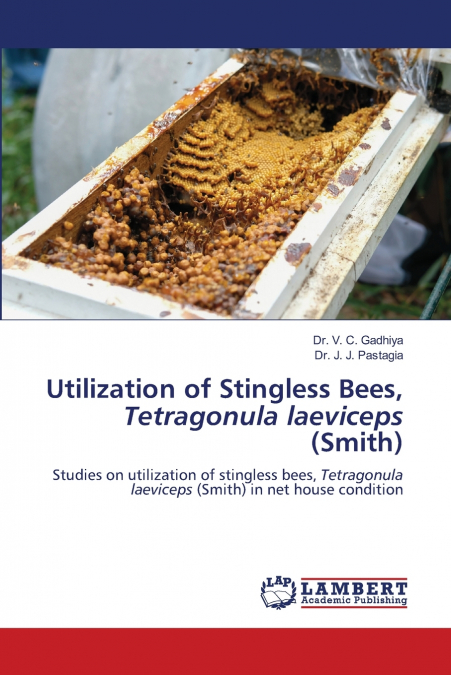
  • Utilization of Stingless Bees, Tetragonula laeviceps (Smith)
    Dr. J. J. Pastagia / Dr. V. C. Gadhiya
    The present investigations on utilization of stingless bees, T. laeviceps Smith in net house condition carried out with the broad aspects like flowers visited by stingless bees, T. laeviceps Smith, toxicity of insecticides to T. laeviceps Smith workers, floral biology of musk melon, foraging behavior of stingless bees, T. laeviceps Smith in net house condition, effect of pollin...
    Disponible

    84,80 €

  • La révolution verte
    Binitha Sophine Emmanuel
    La révolution verte, une ère transformatrice dans les annales de l’agriculture, est apparue comme une force qui a changé la donne au milieu du 20e siècle, remodelant fondamentalement la méthodologie de la production alimentaire et orientant la trajectoire de la sécurité alimentaire mondiale. Caractérisée par une série de percées technologiques, la révolution verte visait à augm...
    Disponible

    53,29 €

Otros libros del autor

  • Lutte biologique contre les foreurs de tiges du maïs à l’aide de Sorghum bicolor
    M. Chisi / Mebelo Mataa / sj. Dondo Bena Benoît
    Les foreurs des tiges du maïs constituent un obstacle important à la production de maïs. C’est pourquoi il convient d’accorder une attention particulière aux moyens de lutte contre ces insectes. Cette recherche a utilisé le sorgho comme agent de lutte biologique contre les foreurs des tiges du maïs. Le maïs et le sorgho ont été plantés selon trois configurations spatiales de cu...
    Disponible

    83,04 €

  • Biologische Bekämpfung von Maisstängelbohrern durch den Einsatz von Sorghum bicolor
    M. Chisi / Mebelo Mataa / sj. Dondo Bena Benoît
    Maisstängelbohrer sind ein bedeutendes Hindernis für den Maisanbau. Deshalb muss der Bekämpfung dieser Schädlinge besondere Aufmerksamkeit gewidmet werden. In dieser Studie wurde Sorghum als biologisches Bekämpfungsmittel gegen Maisstängelbohrer eingesetzt. Mais und Sorghum wurden in drei räumlichen Mischkulturen in abwechselnden Reihen (Sorghum zu Mais) angepflanzt. Die Mischk...
    Disponible

    83,04 €

  • Controlo biológico dos brocas do caule do milho através da utilização de Sorghum bicolor
    M. Chisi / Mebelo Mataa / sj. Dondo Bena Benoît
    Os brocas do caule do milho são um importante obstáculo à produção de milho. É por isso que deve ser dada especial atenção aos meios de controlo destes insetos. Esta investigação utilizou o sorgo como agente de controlo biológico das brocas do caule do milho. O milho e o sorgo foram plantados em três arranjos espaciais de culturas intercalares, em fileiras alternadas (sorgo e m...
    Disponible

    82,98 €

  • Biologiczne zwalczanie omacnicy prosowianki za pomocą Sorghum bicolor
    M. Chisi / Mebelo Mataa / sj. Dondo Bena Benoît
    Szkodniki łodyg kukurydzy stanowią poważne utrudnienie w produkcji kukurydzy. Dlatego też należy zwrócić szczególną uwagę na sposoby ich zwalczania. W niniejszym badaniu wykorzystano sorgo jako środek biologiczny do zwalczania szkodników łodyg kukurydzy. Kukurydzę i sorgo sadzono w trzech układach międzyplonów, w naprzemiennych rzędach (sorgo i kukurydza). Uprawa międzyplonowa ...
    Disponible

    83,04 €