Inicio > Matemáticas y ciencia > Biologia, ciencias de la vida > Botánica y ciencias de las plantas > Componentes genéticos da variação no tomate (Solanum lycopersicon Mill.)
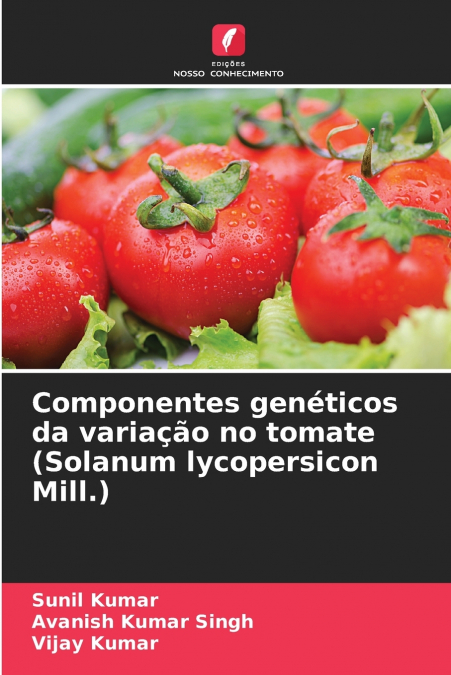
Componentes genéticos da variação no tomate (Solanum lycopersicon Mill.)

Componentes genéticos da variação no tomate (Solanum lycopersicon Mill.)

Avanish Kumar Singh / Sunil Kumar / Vijay Kumar

73,52 €
IVA incluido
Disponible
Editorial:
KS OmniScriptum Publishing
Año de edición:
2026
Materia
Botánica y ciencias de las plantas
ISBN:
9786630195637
73,52 €
IVA incluido
Disponible

Selecciona una librería:

  • Librería Samer Atenea
  • Kálamo Books
  • Librería Elías (Asturias)
  • Librería Kolima (Madrid)
  • Librería Proteo (Málaga)

O tomate (Solanum lycopersicon Mill.) é uma importante cultura hortícola pertencente à família das solanáceas. É um vegetal bem conhecido e muito popular entre os agricultores, sendo cultivado com sucesso em todo o mundo. É utilizado como vegetal e os frutos maduros são também utilizados em saladas, sopas, conservas, molhos, ketchups, etc. O rendimento da cultura do tomate é determinado principalmente pela composição genética da variedade. Assim, o potencial genético total da variedade pode ser aproveitado através de práticas culturais recomendadas. Para desenvolver a variedade, a existência de uma variabilidade hereditária significativa é de importância primordial. Algumas técnicas biométricas, como a análise de variabilidade, correlação e de caminhos, fornecem informações sobre a contribuição relativa de várias características relacionadas com o rendimento. Os coeficientes de correlação genética e fenotípica procuram identificar a associação entre o rendimento e as características que para ele contribuem no tomate. Assim, estas técnicas biométricas ajudam na seleção de genótipos vegetais superiores para programas de melhoramento genético.
Artículos relacionados

  • The Green Architecture
    Ali Mirshafieyan / Ghazal Yeganeh / Maryam Zamani Motlagh
    Protecting green energy as well as non-renewable energy, as well as their sustainable use, many advances in the technology of extracting oil products and other reserves under the ground have caused many improvements. In this regard, proposing the design of buildings in which the consumption of fossil fuels reaches its lowest level is considered one of the important solutions in...
    Disponible

    82,54 €

  • Responsible Use and Management of Agrochemicals
    Juan Carlos Nava
    Uso y manejo responsable de agroquímicos is a work product of the author’s experiences (undergraduate and graduate professor, with research and extension projects), aimed at producers, companies, professionals, students, advisors, researchers, among others.Due to its structure and content, it is expected to be a valuable aid to all people directly or indirectly involved in the ...
    Disponible

    49,45 €

  • Hope in the Soil
    Ellen G White
    Before edible classrooms began 'sprouting' in elementary schools, before buzzwords like 'sustainable agriculture', 'organic,' or 'veganic' came into existence, an exceptional woman named Ellen G. White penned numerous letters and articles on the importance of farming, an outdoor life, and manual labor. Though often remembered for other things, Mrs. White was actively engaged in...
    Disponible

    18,38 €

  • The Green Revolution
    Binitha Sophine Emmanuel
    The Green Revolution, a transformative era in the annals of agriculture, emerged as a game-changing force during the mid-20th century, fundamentally reshaping the methodology of food production and steering the trajectory of global food security. Characterized by a sequence of technological breakthroughs, the Green Revolution aimed to substantially augment agricultural producti...
    Disponible

    53,23 €

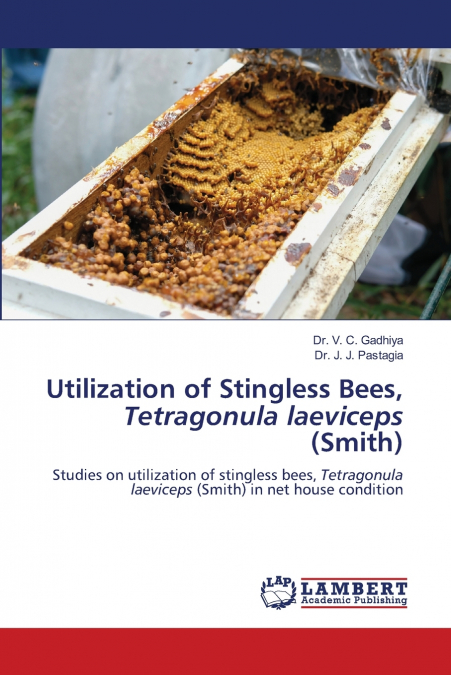
  • Utilization of Stingless Bees, Tetragonula laeviceps (Smith)
    Dr. J. J. Pastagia / Dr. V. C. Gadhiya
    The present investigations on utilization of stingless bees, T. laeviceps Smith in net house condition carried out with the broad aspects like flowers visited by stingless bees, T. laeviceps Smith, toxicity of insecticides to T. laeviceps Smith workers, floral biology of musk melon, foraging behavior of stingless bees, T. laeviceps Smith in net house condition, effect of pollin...
    Disponible

    84,80 €

  • La révolution verte
    Binitha Sophine Emmanuel
    La révolution verte, une ère transformatrice dans les annales de l’agriculture, est apparue comme une force qui a changé la donne au milieu du 20e siècle, remodelant fondamentalement la méthodologie de la production alimentaire et orientant la trajectoire de la sécurité alimentaire mondiale. Caractérisée par une série de percées technologiques, la révolution verte visait à augm...
    Disponible

    53,29 €

Otros libros del autor

  • Composantes génétiques de la variation chez la tomate (Solanum lycopersicon Mill.)
    Avanish Kumar Singh / Sunil Kumar / Vijay Kumar
    La tomate (Solanum lycopersicon Mill.) est une culture maraîchère importante appartenant à la famille des solanacées. C’est un légume bien connu et très apprécié des agriculteurs, cultivé avec succès dans le monde entier. Elle est consommée comme légume et ses fruits mûrs sont également utilisés dans les salades, les soupes, les cornichons, les sauces, les ketchups, etc. Le ren...
    Disponible

    72,21 €

  • Componenti genetiche della variabilità nel pomodoro (Solanum lycopersicon Mill.)
    Avanish Kumar Singh / Sunil Kumar / Vijay Kumar
    Il pomodoro (Solanum lycopersicon Mill.) è un’importante coltura orticola appartenente alla famiglia delle Solanacee. È un ortaggio ben noto e molto apprezzato dagli agricoltori, coltivato con successo in tutto il mondo. Viene utilizzato come ortaggio e i frutti maturi vengono impiegati anche in insalate, zuppe, sottaceti, salse, ketchup ecc. La resa della coltura del pomodoro ...
    Disponible

    73,52 €

  • Genetyczne uwarunkowania zmienności u pomidora (Solanum lycopersicon Mill.)
    Avanish Kumar Singh / Sunil Kumar / Vijay Kumar
    Pomidor (Solanum lycopersicon Mill.) jest ważną rośliną warzywną należącą do rodziny psiankowatych (Solanaceae). Jest to dobrze znane i bardzo popularne warzywo wśród rolników, uprawiane z powodzeniem na całym świecie. Wykorzystuje się go jako warzywo, a dojrzałe owoce stosuje się również do przygotowywania sałatek, zup, marynat, sosów, keczupów itp. Plon pomidorów zależy przed...
    Disponible

    73,46 €

  • Genetische Komponenten der Variation bei der Tomate (Solanum lycopersicon Mill.)
    Avanish Kumar Singh / Sunil Kumar / Vijay Kumar
    Die Tomate (Solanum lycopersicon Mill.) ist eine wichtige Gemüsekultur, die zur Familie der Nachtschattengewächse (Solanaceae) gehört. Sie ist unter Landwirten als Gemüsesorte weithin bekannt und sehr beliebt und wird weltweit erfolgreich angebaut. Sie wird als Gemüse verwendet, und reife Früchte finden zudem Verwendung in Salaten, Suppen, Eingelegtem, Soßen, Ketchup usw. Der E...
    Disponible

    73,52 €