Colonic Motility

Colonic Motility

Colonic Motility

Sushil K. Sarna / Sushil KSarna

57,12 €
IVA incluido
Disponible
Editorial:
Biota Publishing
Año de edición:
2011
Materia
Evolución
ISBN:
9781615041503
57,12 €
IVA incluido
Disponible

Selecciona una librería:

  • Librería Samer Atenea
  • Librería Aciertas (Toledo)
  • Kálamo Books
  • Librería Perelló (Valencia)
  • Librería Elías (Asturias)
  • Donde los libros
  • Librería Kolima (Madrid)
  • Librería Proteo (Málaga)

Three distinct types of contractions perform colonic motility functions. Rhythmic phasic contractions (RPCs) cause slow net distal propulsion with extensive mixing/turning over. Infrequently occurring giant migrating contractions (GMCs) produce mass movements. Tonic contractions aid RPCs in their motor function. The spatiotemporal patterns of these contractions differ markedly. The amplitude and distance of propagation of a GMC are several-fold larger than those of an RPC. The enteric neurons and smooth muscle cells are the core regulators of all three types of contractions. The regulation of contractions by these mechanisms is modifiable by extrinsic factors: CNS, autonomic neurons, hormones, inflammatory mediators, and stress mediators. Only the GMCs produce descending inhibition, which accommodates the large bolus being propelled without increasing muscle tone. The strong compression of the colon wall generates afferent signals that are below nociceptive threshold in healthy subjects. However, these signals become nociceptive; if the amplitudes of GMCs increase, afferent nerves become hypersensitive, or descending inhibition is impaired. The GMCs also provide the force for rapid propulsion of feces and descending inhibition to relax the internal anal sphincter during defecation. The dysregulation of GMCs is a major factor in colonic motility disorders: irritable bowel syndrome (IBS), inflammatory bowel disease (IBD), and diverticular disease (DD). Frequent mass movements by GMCs cause diarrhea in diarrhea predominant IBS, IBD, and DD, while a decrease in the frequency of GMCs causes constipation. The GMCs generate the afferent signals for intermittent short-lived episodes of abdominal cramping in these disorders. Epigenetic dysregulation due to adverse events in early life is one of the major factors in generating the symptoms of IBS in adulthood.Table of Contents: Introduction / Regulatory Mechanisms / Colonic Motility in Health / Colonic Motility Dysfunction / References

Artículos relacionados

  • From Logos to Bios
    Wynand de Beer
    ...
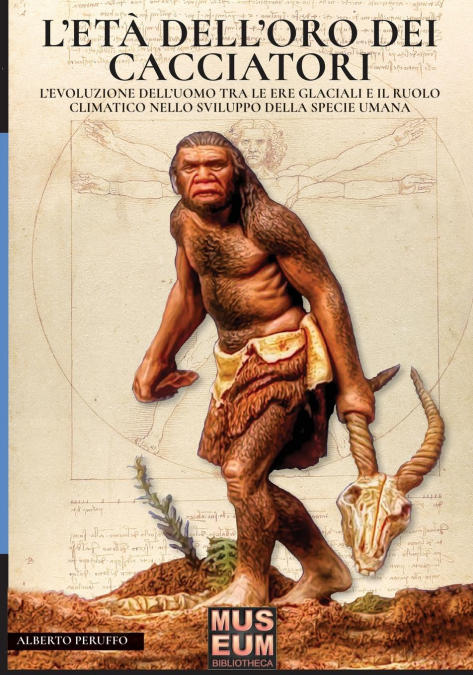
  • L’età dell’oro dei cacciatori
    Alberto Peruffo
    L'universo, il pianeta Terra, l'uomo. L'avventura della specie umana si dipana lentamente dall'essere unicellulare fino all'uomo dei giorni nostri che, tra mille travagli, ha raggiunto la condizione di assoluta supremazia.La presenza nell'uomo moderno dei geni del DNA dell'uomo di Neanderthal ha chiarito che, questi antichi uomini, facevano parte, a ...
    Disponible

    40,53 €

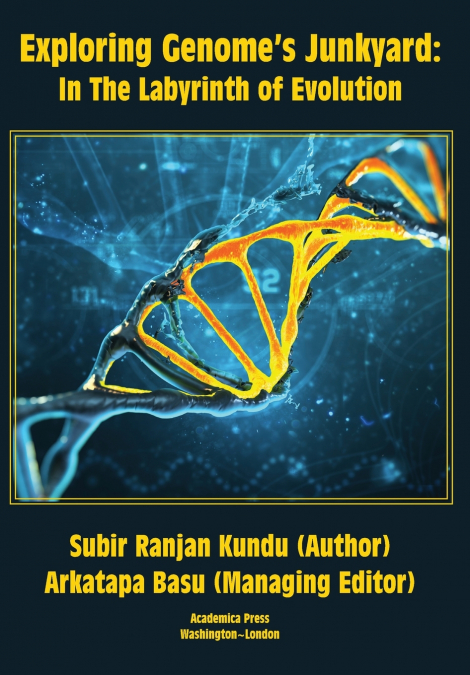
  • Exploring Genome’s Junkyard
    Subir Ranjan Kundu
    Exploring Genome’s Junkyard: In the Labyrinth of Evolution narrates the progress of biological evolution, beginning with the conceptual introspection of gene and continuing with the contemporary understanding of the structural and function aspects of the human genome. Recent advances in human genome research have led scientists to the term 'biological dark matter,' which refers...
  • European Hair, Eye, and Skin Color
    Peter Frost
    Europeans, especially those from northern and eastern Europe, are unique in having diverse hair and eye colors and a skin almost as pale as an albino’s. Those colors are not only brighter than the original black and brown but also 'purer'-they lie within thin slices of the visible spectrum. Overall, that color scheme is more developed in women, who naturally have a higher incid...
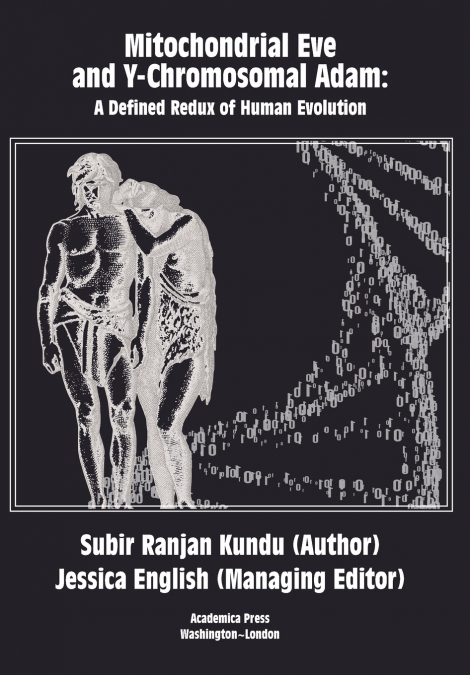
  • Mitochondrial Eve and Y-Chromosomal Adam
    Subir Ranjan Kundu
    Mitochondrial Eve and Y-Chromosomal Adam discusses theoretical ideas, interpretations, and paleontological evidence to narrate the origin and evolutionary story of Sapiens through the transitional stages of archaic human species involved in the evolutionary pilgrimage, from the great apes and to modern humans. Author Subir Ranjan Kundu investigates the DNA footprints of primate...
  • When Evolution Stops
    Armando Simon
    Evolution is a fact. The evidence for it is simply overwhelming. However, the original mechanism that generates the evolutionary process, as first put forth simultaneously by Charles Darwin and Alfred R. Wallace and which became known as Natural Selection, has now been seen to be too simplistic by some scientists aside from the hard-core neo-Darwinists who insist that nothing w...
    Disponible

    28,77 €