Inicio > Matemáticas y ciencia > Biologia, ciencias de la vida > Botánica y ciencias de las plantas > Caracterização molecular do feijão-guandu em relação à murcha causada por Fusarium
Caracterização molecular do feijão-guandu em relação à murcha causada por Fusarium

Caracterização molecular do feijão-guandu em relação à murcha causada por Fusarium

N. Sasidharan / Vijaykumar I. Prajapati

114,09 €
IVA incluido
Disponible
Editorial:
KS OmniScriptum Publishing
Año de edición:
2026
Materia
Botánica y ciencias de las plantas
ISBN:
9786630102819
114,09 €
IVA incluido
Disponible

Selecciona una librería:

  • Librería Samer Atenea
  • Kálamo Books
  • Librería Elías (Asturias)
  • Librería Kolima (Madrid)
  • Librería Proteo (Málaga)

O feijão-guandu [Cajanus cajan (L.) Millsp.] (2n = 22) é a segunda cultura de leguminosas mais importante e desempenha um papel fundamental na agricultura de subsistência. A murcha por Fusarium é uma das principais doenças que suscitam preocupação, seguida pela podridão por Phytophthora e pelo mosaico da esterilidade, afetando a produtividade desta cultura por unidade de área. Por conseguinte, para minimizar as perdas de rendimento decorrentes da murcha de Fusarium, é necessário abordar estes problemas a nível molecular, desenvolvendo cultivares que resistam/tolerem estes stress bióticos e apresentem uma maior capacidade de recuperação dos danos. No presente estudo, foram utilizados marcadores RAPD e SSR para distinguir os 17 genótipos de feijão-guandu de acordo com a sua resistência e suscetibilidade à murcha de Fusarium. O estudo revelou também que, a partir da tendência dos genótipos resistentes e suscetíveis para se agruparem, se pode inferir que estes genótipos partilham uma via filogenética comum e que a resistência e a suscetibilidade à murcha de Fusarium podem dever-se a mono ou oligogenes, que, por sua vez, podem ser alvo de sistemas de marcadores moleculares mais eficientes.

Artículos relacionados

  • The Green Architecture
    Ali Mirshafieyan / Ghazal Yeganeh / Maryam Zamani Motlagh
    Protecting green energy as well as non-renewable energy, as well as their sustainable use, many advances in the technology of extracting oil products and other reserves under the ground have caused many improvements. In this regard, proposing the design of buildings in which the consumption of fossil fuels reaches its lowest level is considered one of the important solutions in...
    Disponible

    93,95 €

  • Responsible Use and Management of Agrochemicals
    Juan Carlos Nava
    Uso y manejo responsable de agroquímicos is a work product of the author’s experiences (undergraduate and graduate professor, with research and extension projects), aimed at producers, companies, professionals, students, advisors, researchers, among others.Due to its structure and content, it is expected to be a valuable aid to all people directly or indirectly involved in the ...
    Disponible

    56,25 €

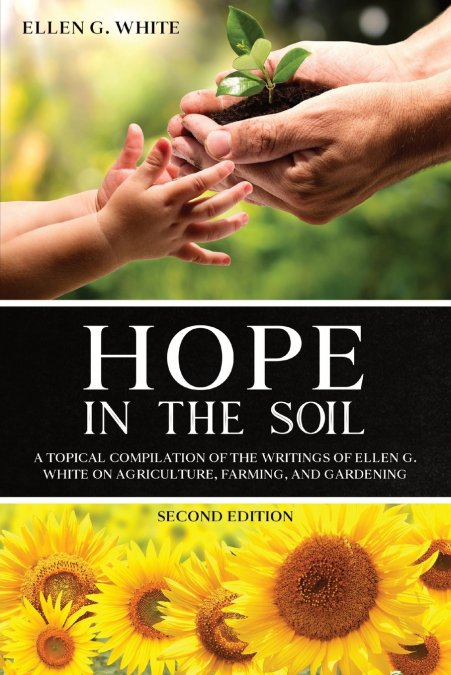
  • Hope in the Soil
    Ellen G White
    Before edible classrooms began 'sprouting' in elementary schools, before buzzwords like 'sustainable agriculture', 'organic,' or 'veganic' came into existence, an exceptional woman named Ellen G. White penned numerous letters and articles on the importance of farming, an outdoor life, and manual labor. Though often remembered for other things, Mrs. White was actively engaged in...
    Disponible

    20,23 €

  • The Green Revolution
    Binitha Sophine Emmanuel
    The Green Revolution, a transformative era in the annals of agriculture, emerged as a game-changing force during the mid-20th century, fundamentally reshaping the methodology of food production and steering the trajectory of global food security. Characterized by a sequence of technological breakthroughs, the Green Revolution aimed to substantially augment agricultural producti...
    Disponible

    60,53 €

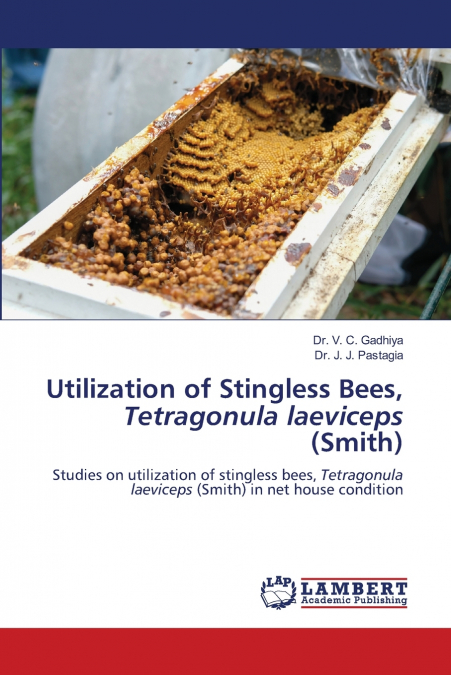
  • Utilization of Stingless Bees, Tetragonula laeviceps (Smith)
    Dr. J. J. Pastagia / Dr. V. C. Gadhiya
    The present investigations on utilization of stingless bees, T. laeviceps Smith in net house condition carried out with the broad aspects like flowers visited by stingless bees, T. laeviceps Smith, toxicity of insecticides to T. laeviceps Smith workers, floral biology of musk melon, foraging behavior of stingless bees, T. laeviceps Smith in net house condition, effect of pollin...
    Disponible

    96,50 €

  • La révolution verte
    Binitha Sophine Emmanuel
    La révolution verte, une ère transformatrice dans les annales de l’agriculture, est apparue comme une force qui a changé la donne au milieu du 20e siècle, remodelant fondamentalement la méthodologie de la production alimentaire et orientant la trajectoire de la sécurité alimentaire mondiale. Caractérisée par une série de percées technologiques, la révolution verte visait à augm...
    Disponible

    60,59 €

Otros libros del autor

  • Caractérisation moléculaire du pois cajan face au flétrissement fusarien
    N. Sasidharan / Vijaykumar I. Prajapati
    Le pois cajan [Cajanus cajan (L.) Millsp.] (2n = 22) est la deuxième légumineuse la plus importante et joue un rôle essentiel dans l’agriculture de subsistance. La flétrissure fusarienne est l’une des principales maladies préoccupantes, suivie par la pourriture causée par Phytophthora et la mosaïque de stérilité, qui affectent la productivité de cette culture par unité de surfa...
    Disponible

    115,56 €

  • Charakterystyka molekularna grochu gołębiego pod kątem więdnięcia wywołanego przez Fusarium
    N. Sasidharan / Vijaykumar I. Prajapati
    Groch indyjski [Cajanus cajan (L.) Millsp.] (2n = 22) jest drugą co do znaczenia rośliną strączkową i odgrywa istotną rolę w rolnictwie na własne potrzeby. Więdnięcie wywołane przez Fusarium jest jedną z najpoważniejszych chorób, po której następują zaraza wywołana przez Phytophthora oraz mozaika sterylności, wpływające na plonowanie tej rośliny z jednostki powierzchni. Dlatego...
    Disponible

    114,09 €

  • Molekulare Charakterisierung der Straucherbse im Hinblick auf die Fusarium-Welke
    N. Sasidharan / Vijaykumar I. Prajapati
    Die Straucherbse [Cajanus cajan (L.) Millsp.] (2n = 22) ist die zweitwichtigste Hülsenfrucht und spielt eine wichtige Rolle in der Subsistenzlandwirtschaft. Die Fusarium-Welke ist eine der größten Krankheitsgefahren, gefolgt von der Phytophthora-Fäule und dem Sterilitätsmosaik, die die Flächenerträge dieser Kultur beeinträchtigen. Um Ertragsverluste durch die Fusarium-Welke zu ...
    Disponible

    114,07 €

  • Caratterizzazione molecolare del pisello indiano in relazione al marciume causato dal Fusarium
    N. Sasidharan / Vijaykumar I. Prajapati
    Il pisello indiano [Cajanus cajan (L.) Millsp.] (2n = 22) è la seconda coltura leguminosa più importante e svolge un ruolo fondamentale nell’agricoltura di sussistenza. Il marciume da Fusarium è una delle principali malattie che destano preoccupazione, seguita dalla ruggine da Phytophthora e dal mosaico da sterilità, che incidono sulla produttività di questa coltura per unità d...
    Disponible

    114,09 €