 Librería Samer Atenea
 Kálamo Books
 Librería Elías (Asturias)
 Librería Kolima (Madrid)
 Librería Proteo (Málaga)
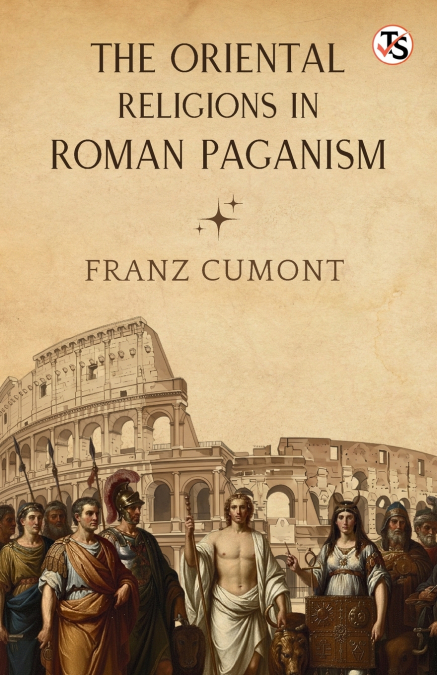
Where stars and rites met. It reveals forgotten celestial thinking. Franz Cumont’s lectures, published in the American Lectures On The History of Religions series (1911-1912), form a rigorous scholarly lectures anthology that traces how ancient astrology beliefs threaded through greek and roman religion and informed the vocabulary of pagan rituals and myths. Concise and clear, these essays exemplify early twentieth century scholarship: patient philology, sceptical precision, and an eye for cultural pattern. Cumont moves beyond mere cataloguing; he examines belief as practice, showing the subtle ways celestial language shaped moral argument, ethical exempla and popular devotion. The prose is direct, the argument forensic - readable without sacrificing analytical rigour. Set within a wider classical studies collection of comparative religion classics and mediterranean antiquity studies, the work rewards casual curiosity and sustained study alike, making it equally at home on the bedside table of a curious reader or the reading list of a specialised seminar. Readers familiar with franz cumont works will recognise the clarity of method and the breadth of reference.Republished by Alpha Editions in a careful modern edition, this volume preserves the spirit of the original while making it effortless to enjoy today - a heritage title prepared for readers and collectors alike. Historically, Cumont’s treatment helped shape the study of belief and astronomy in antiquity and remains central to academic research resource lists and university course reading on greek and roman religion. While the material is scholarly, the narrative gives space to the human texture of antiquity: how stargazers, priests and lay worshippers made meaning from the sky. That balance explains its continuing use in mediterranean antiquity studies and its stature among comparative religion classics. In short, this edition is both a valuable academic research resource and a desirable addition to any classical studies collection - informative for professors, useful for students, and appealing to classic-literature collectors who prize early twentieth century scholarship presented with modern care.