Address Book for the Twenty-First Century

Address Book for the Twenty-First Century

Address Book for the Twenty-First Century

Eileen Hargaden / Frank Stephenson

16,60 €
IVA incluido
Disponible
Editorial:
Outskirts Press
Año de edición:
2019
Materia
Redes sociales
ISBN:
9781977210500
16,60 €
IVA incluido
Disponible

Selecciona una librería:

  • Librería Samer Atenea
  • Librería Aciertas (Toledo)
  • Kálamo Books
  • Librería Perelló (Valencia)
  • Librería Elías (Asturias)
  • Donde los libros
  • Librería Kolima (Madrid)
  • Librería Proteo (Málaga)

Finally, an address book that’s easy to use, logically organized, with space for plenty of entries per letter, and designed for a social-networking world that forces you to change your password every six months.Are you frustrated that you can't remember the unhackable password you came up with the day before? Tired of hitting "Forgot Password" because your login hints leave you scratching your head? Say good-bye to those sticky notes you've got shingled all over your computer. Most address books being sold today still look exactly like the ones you’d have bought decades ago. But it’s a different world now. Businesses and friends require different sets of information. You don’t need to know Amazon’s street address, nor does your mother’s home address require a password. What you do need are user names, passwords, security question prompts, and IP addresses for your business contacts as well as street addresses and smartphone info for your personal life.In creating Address Book for the Twenty-First Century, Frank Stephenson and Eileen Hargaden recognized this. They've separated those very different types of interactions into two sections: "Businesses and Websites" and "Friends and Family." This address book is for anyone who can log onto a computer or who has even just one friend or relative. Perfect for both business and home use.
Artículos relacionados

  • Libraries, Telecentres, Cybercafes and Public Access to ICT
    Ricardo Gomez
    Public venues are vital to information access across the globe, yet few formal studies exist of the complex ways people in developing countries use information technologies in public access places. Libraries, Telecentres, Cybercafes and Public Access to ICT: International Comparisons presents groundbreaking research on the new challenges and opportunities faced by public librar...
  • Social Media Mining and Social Network Analysis
    Xu
    Social Media Mining and Social Network Analysis: Emerging Research highlights the advancements made in social network analysis and social web mining and its influence in the fields of computer science, information systems, sociology, organization science discipline and much more. This collection of perspectives on developmental practice is useful for industrial practitioners as...
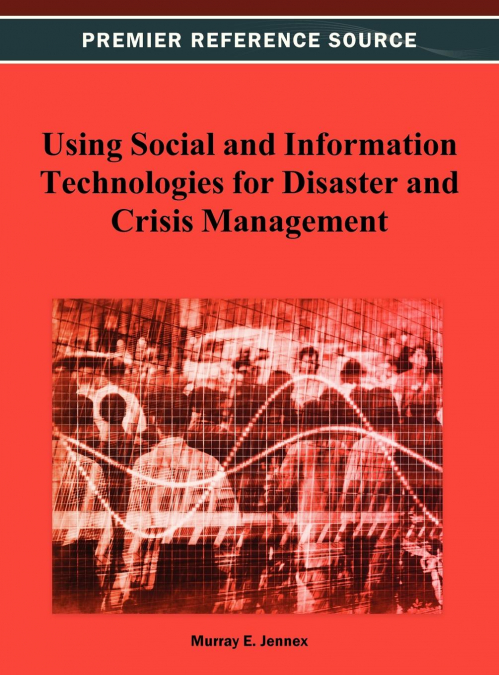
  • Using Social and Information Technologies for Disaster and Crisis Management
    Using Social and Information Technologies for Disaster and Crisis Management highlights examples of disaster situations in recent years in which social and information technologies were useful in distributing and receiving information updates. This comprehensive collection brings together research for practitioners and researchers interested in the uses of information technolog...
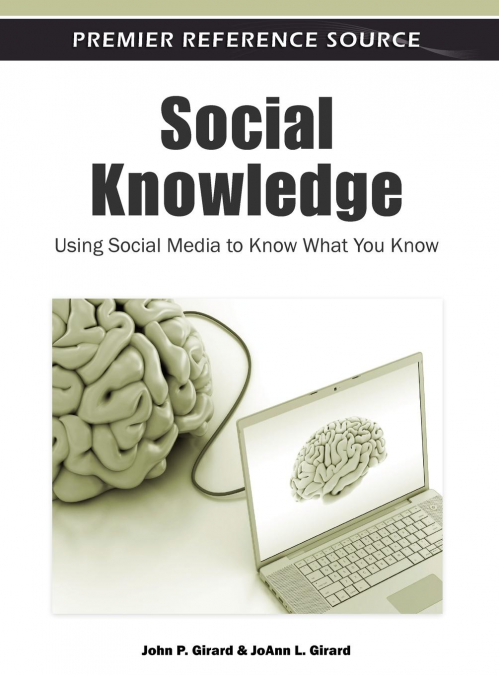
  • Social Knowledge
    For the past two decades, executives have struggled to develop effective ways of sharing what their organizations know. Organizational leaders are now seeking ways to share knowledge with both internal and external stakeholders driven by concerns such as downsizing, the impending retirement of baby boomers, terrorism, and a host of other organizational challenges. Social Knowle...
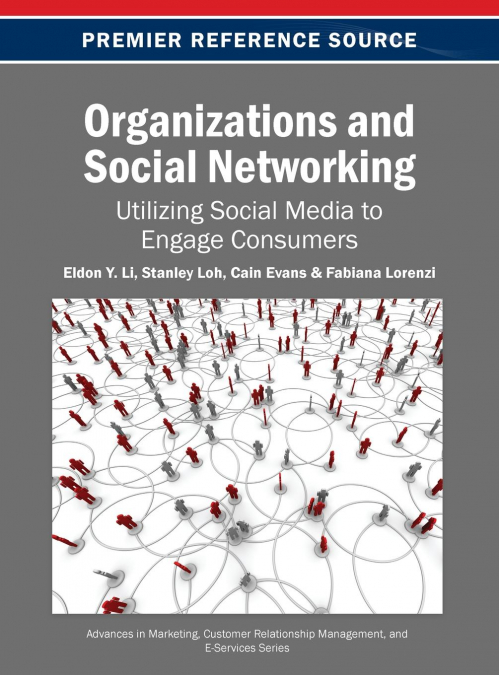
  • Organizations and Social Networking
    Po Li
    The modern business landscape demands that organizations maintain an online presence to network with their customers and investors. Therefore, understanding the link between social media and e-business is an important first step in cultivating these internet-based relationships. Organizations and Social Networking: Utilizing Social Media to Engage Consumers provides a broad inv...
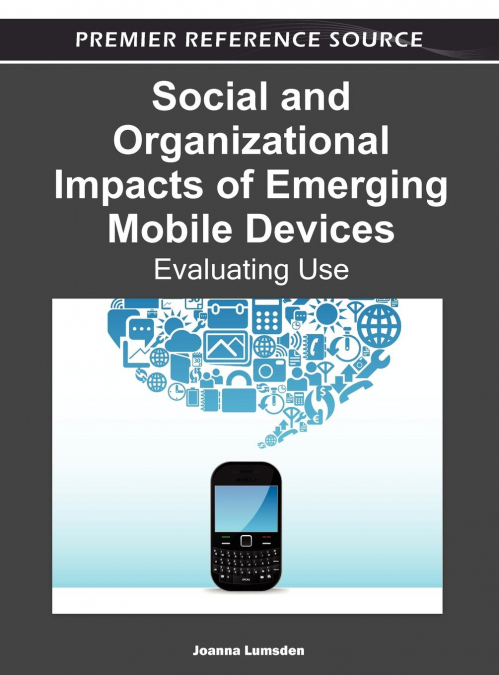
  • Social and Organizational Impacts of Emerging Mobile Devices
    Joanna Lumsden
    As mobile devices become increasingly diverse and continue to shrink in size and weight, their portability is enhanced but, unfortunately, their usability tends to suffer. Ultimately, the usability of mobile technologies determines their future success in terms of end-user acceptance and, thereafter, adoption and social impact. Widespread acceptance will not, however, be achiev...