1984 and the Crisis of Sikhism

1984 and the Crisis of Sikhism

Johan Rohi

35,03 €
IVA incluido
Disponible
Editorial:
New Generation Publishing
Año de edición:
2006
Materia
Historia de Asia
ISBN:
9781844016396
35,03 €
IVA incluido
Disponible

Selecciona una librería:

  • Librería Samer Atenea
  • Librería Aciertas (Toledo)
  • Kálamo Books
  • Librería Perelló (Valencia)
  • Librería Elías (Asturias)
  • Donde los libros
  • Librería Kolima (Madrid)
  • Librería Proteo (Málaga)

Territory After five hundred years and with twenty million followers, Sikhism is unable to lay claim to an inch of this planet and call it its own. Faith Sikhism is not a creed but a sect, a religious cult and an instrument for aligning the organisation of our social functions. we conduct them with the help of our holy book. Disaster In June 1984, the Sikhs' most sacred shrine, the Golden Temple at Amritsar, was the scene of an armed stand-off between Sikhs and the State that ended in bloodshed. In October the same year, the Indian prime minister, Indira Gandhi, was assassinated by her trusted Sikh bodyguards. Lawlessness hit the Panjab, and by the time Indian Government troops had restored order, thousands lay dead, women had been widowed, killed or raped, and children found themselves orphaned. Johan Rohi's detailed and at times shocking exposé of the history and practices of Sikhism reveals a cult in crisis. For every ten true believers, there are a thousand gullible sheep feeding on the words of a grasping clergy. Yet Sikhs have no leader and no homeland. What is the function of religion in their collective psyche and aspirations? What part does extremism play? Why the insistence on symbols and carrying arms? At a broader level, the author touches on the issue of any religion having a role in our increasingly materialistic and secular global community.

Artículos relacionados

  • Understanding Aikido
    Jan J Sunderlin
    Understanding Aikido: Essential Information and Perceptions (Special Edition) presents an historical, cultural, and philosophical look at the development of the Japanese martial art of Aikido. Sunderlin focuses on the influences brought to bear on Morihei Ueshiba, the founder of Aikido, and the subsequent cultivation of the latter's martial art as a vessel of Budo. The author a...
    Disponible

    63,06 €

  • Not by Love Alone
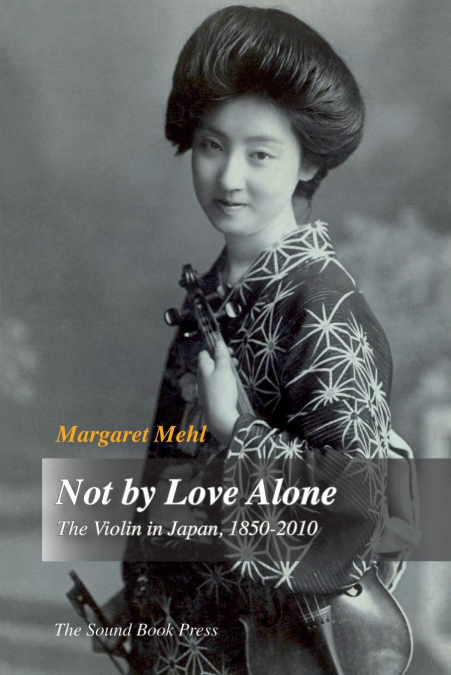
    Margaret Mehl
    Suzuki Shin'ichi, the Tokyo String Quartet, Midori - How did Japanese violinists manage to revolutionize violin teaching, win international competitions, conquer Western concert stages, study at world-famous conservatoires and take up positions in leading orchestras and prestigious music faculties? What enabled the Japanese to master Western classical music within a few decades...
    Disponible

    29,32 €

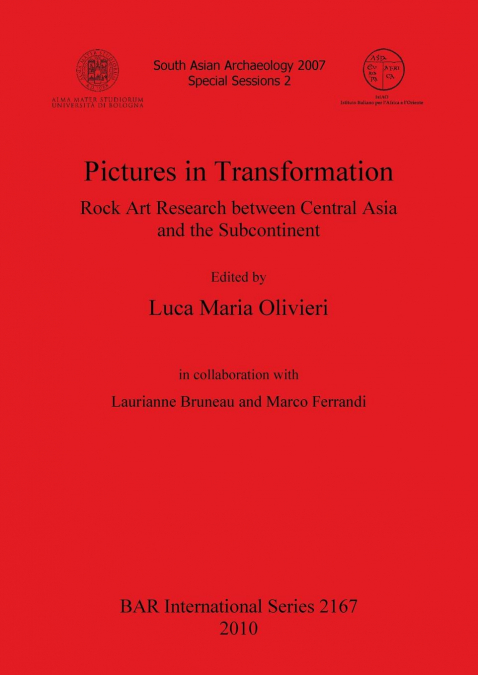
  • Pictures in Transformation
    Luca Maria Olivieri
    ...
    Disponible

    54,79 €

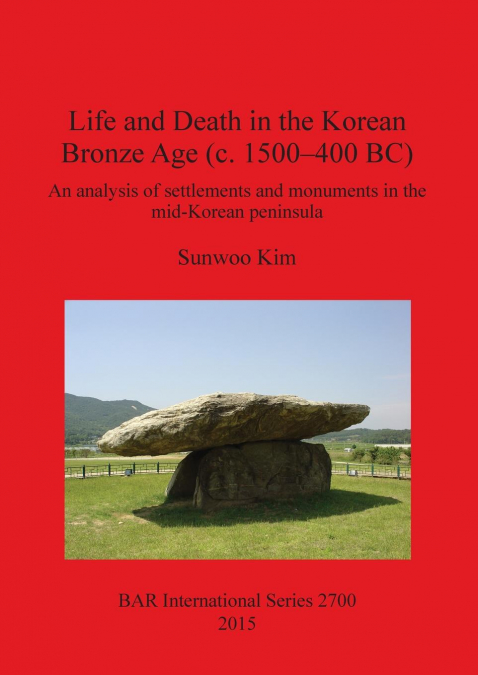
  • Life and Death in the Korean Bronze Age (c. 1500-400 BC)
    Sunwoo Kim
    This research focuses on the Bronze Age in selected areas of Korea; Seoul, Incheon, and Gyeonggi province. Two forms of evidence - settlements and monuments - are taken into account to identify their relationship with landscape and the social changes occurring between ca. 1500 to 400 cal BC. Life and death in the Bronze Age in Korea has not been synthetically investigated befor...
    Disponible

    108,34 €

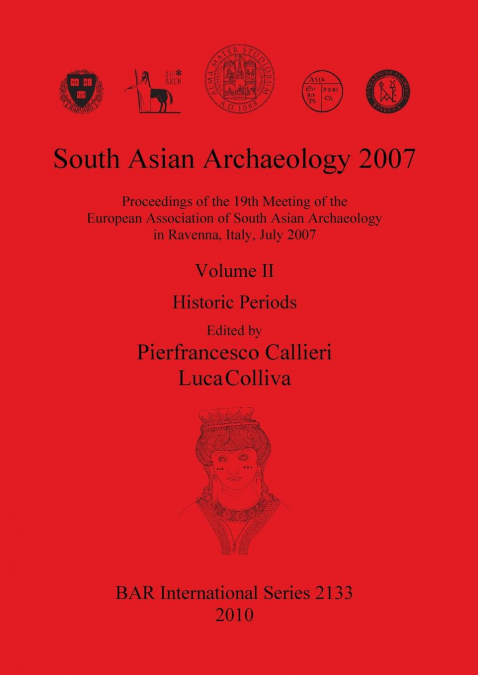
  • South Asian Archaeology 2007
    Proceedings of the 19th Meeting of the European Association of South Asian Archaeology in Ravenna, Italy, July 2007.                     ...
    Disponible

    182,04 €

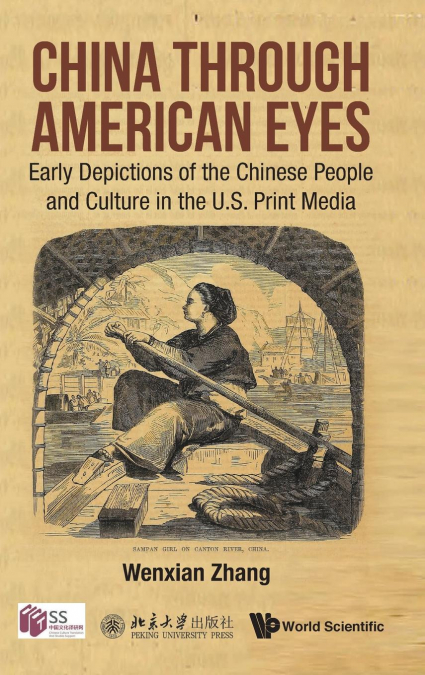
  • CHINA THROUGH AMERICAN EYES
    Wenxian Zhang / ZHANG WENXIAN
    Cultural understanding between the United States and China has been a long and complex process. The period from the mid-nineteenth century to the early twentieth century is not only a critical era in modern Chinese history, but also the peak time of illustrated news reporting in the United States. Besides images from newspapers and journals, this collection also contains pictur...