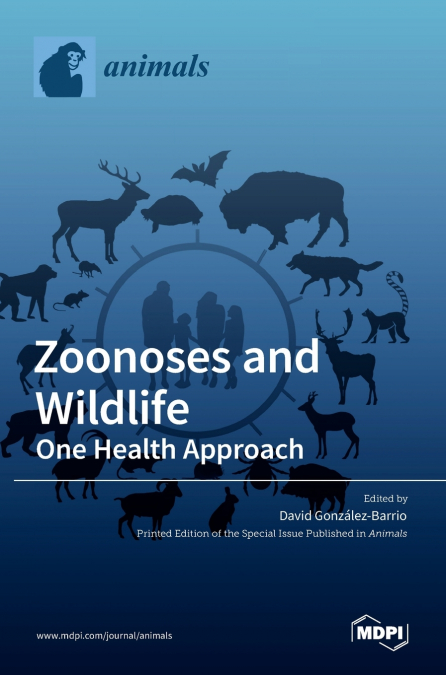

Zoonoses and Wildlife

Zoonoses and Wildlife

David Gonzalez Barrio

63,90 €
IVA incluido
Consulta disponibilidad
Editorial:
MDPI AG
Año de edición:
2022
Materia
Zoología y ciencias animales
ISBN:
9783036537368

Selecciona una librería:

  • Librería Samer Atenea
  • Librería Aciertas (Toledo)
  • Kálamo Books
  • Librería Perelló (Valencia)
  • Librería Elías (Asturias)
  • Donde los libros
  • Librería Kolima (Madrid)
  • Librería Proteo (Málaga)

Throughout history, wildlife has been an important source of infectious diseases transmissible to humans. Today, zoonoses with a wildlife reservoir constitute a major public health problem, affecting all continents. The importance of such zoonoses is increasingly recognized, and the need for more attention in this area is being addressed. The total number of zoonoses is unknown, some 1,415 known human pathogens have been catalogued, and 62% are of zoonotic origin [1]. With time, more and more human pathogens are found to be of animal origin. Moreover, most emerging infectious diseases in humans are zoonoses. Wild animals seem to be involved in the epidemiology of most zoonoses and serve as major reservoirs for transmission of zoonotic agents to domestic animals and humans [2]. The concept of the ’One Health’ approach involving collaboration between veterinary and medical scientists, policy makers, and public health officials, is necessary to foster joint cooperation and control of emerging zoonotic diseases [3]. Zoonotic diseases caused by a wide range of arthropods, bacteria, helminths, protozoans, and viruses can cause serious and even life-threatening clinical conditions in animals, with a number of them also affecting the human population due to their zoonotic potential. The aim of the current Special Issue is to cover recent and novel research trends in zoonotic diseases in wildlife, including the relevant topics related to wildlife, zoonosis, public health, emerging diseases, infectious diseases and parasitic diseases.

Artículos relacionados

  • Animaltown
    Urban space constitutes a place where people and animals live together in close proximity with each other, creating changing landscapes of co-existence, conflict, mutual dependencies and exploitation. The medieval animals found in the articles of Animaltown: Beasts in Medieval Urban Space, appear in text and image, as well as archaeological find materials in the form of butcher...
    Disponible

    109,24 €

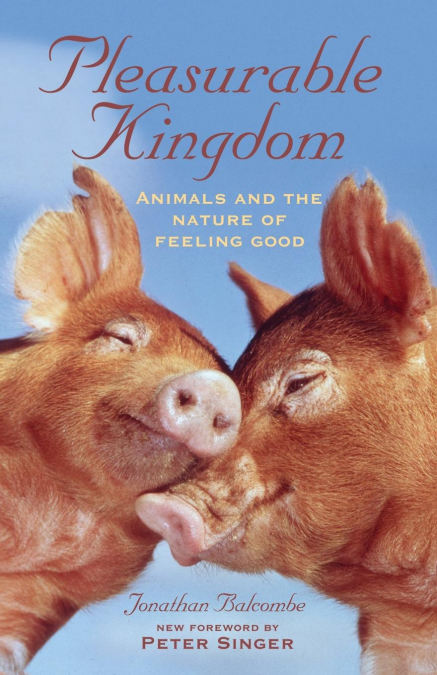
  • Pleasurable Kingdom
    Jonathan Balcombe
    Pleasurable Kingdom presents new evidence that animals--like humans--enjoy themselves. From birds to baboons, insects to iguanas, animals feel good thanks to play, sex, touch, food, anticipation, comfort, aesthetics, and more. Combining rigorous evidence, elegant argument and amusing anecdotes, leading animal behavior researcher Jonathan Balcombe shows that the possibility of p...
    Disponible

    18,96 €

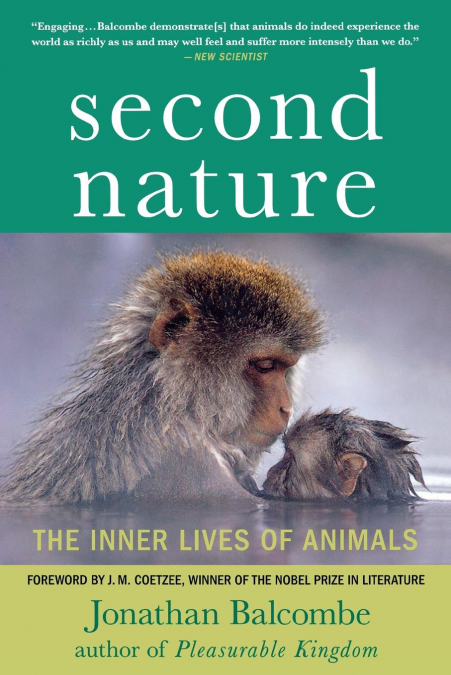
  • SECOND NATURE
    Jonathan Balcombe
    ...
    Disponible

    16,52 €

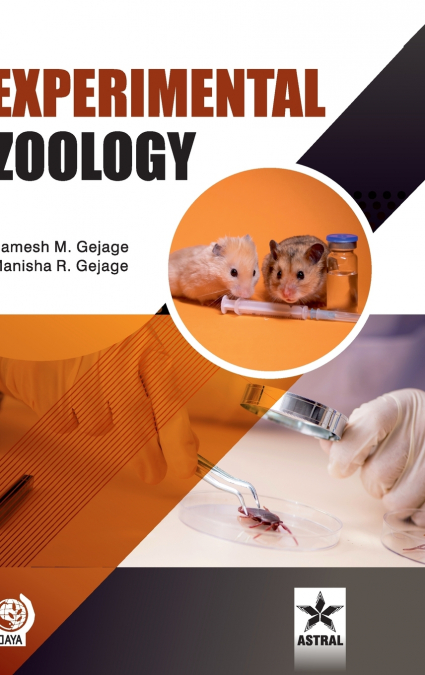
  • Experimental Zoology
    Manisha R Gejage / Ramesh M Gejage
    The goal of the book is to present the practical knowledge of Zoology. Animal diversity, venomous and non-venomous snakes, study of birds, brain of fowl and hyoid apparatus, sclerotic plates, pecten and collumella of fowl, scales of fishes, biochemical tests, activity of salivary amylase, estimation of total protein and lipid, DNA isolation and estimation of uric acid are given...
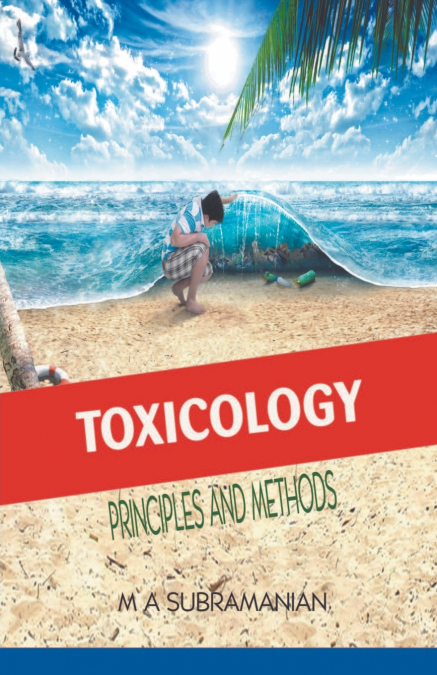
  • TOXICOLOGY
    M A SUBRAMANIAN
    In an era defined by burgeoning human populations, rampant industrialization, cutting-edge technological progress, and expanding urban landscapes, the integrity of our natural environment faces unprecedented challenges. The relentless march of progress has ushered in a flood of chemicals, seeping into the very fabric of our ecosystems and posing insidious threats to biological ...
    Disponible

    23,69 €

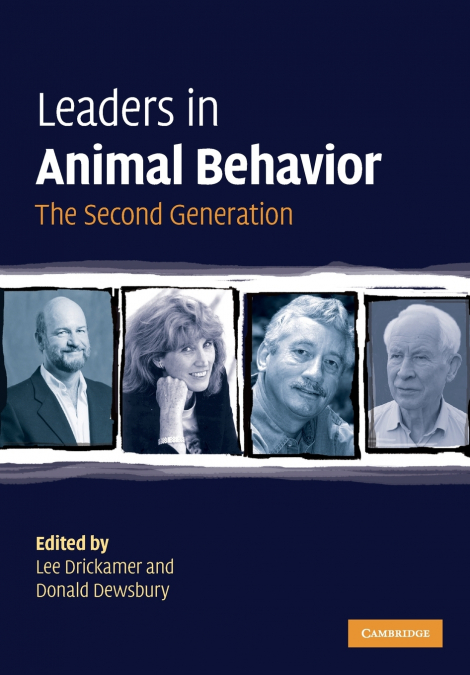
  • Leaders in Animal Behavior
    Donald Dewsbury / Lee Drickamer
    ...
    Disponible

    64,68 €