 Librería Samer Atenea
 Kálamo Books
 Librería Elías (Asturias)
 Librería Kolima (Madrid)
 Librería Proteo (Málaga)
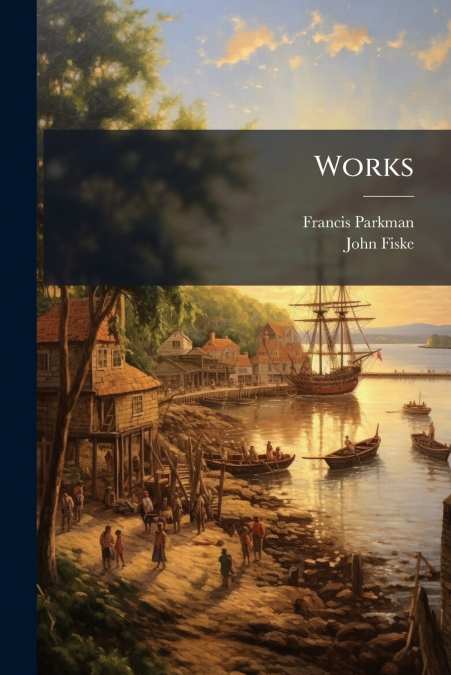
'The Conspiracy Of Pontiac And The Indian War After The Conquest Of Canada' recounts a pivotal period in North American history following the British victory in the French and Indian War. Francis Parkman meticulously details the uprising led by Pontiac, an Ottawa chief, against British forces and settlers in the Great Lakes region. This conflict reveals the complex interplay between European colonial powers and Native American tribes vying for control of the continent. Parkman’s narrative explores the causes of the war, the key battles and sieges, and the personalities involved, including Pontiac himself. The work examines the strategies and motivations of both sides, shedding light on the brutal realities of frontier warfare and the struggle for survival. This historical account offers insight into the tensions and conflicts that shaped the early history of the United States and Canada, and remains relevant for understanding the ongoing legacy of colonialism and its impact on indigenous peoples.This work has been selected by scholars as being culturally important, and is part of the knowledge base of civilization as we know it. This work was reproduced from the original artifact, and remains as true to the original work as possible. Therefore, you will see the original copyright references, library stamps (as most of these works have been housed in our most important libraries around the world), and other notations in the work.This work is in the public domain in the United States of America, and possibly other nations. Within the United States, you may freely copy and distribute this work, as no entity (individual or corporate) has a copyright on the body of the work.As a reproduction of a historical artifact, this work may contain missing or blurred pages, poor pictures, errant marks, etc. Scholars believe, and we concur, that this work is important enough to be preserved, reproduced, and made generally available to the public. We appreciate your support of the preservation process, and thank you for being an important part of keeping this knowledge alive and relevant.