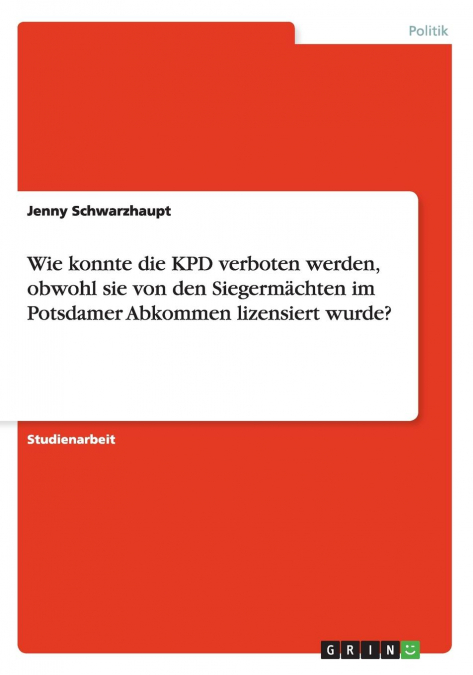

Inicio > Sociedad y ciencias sociales > Política y gobierno > Política comparada > Wie konnte die KPD verboten werden, obwohl sie von den Siegermächten im Potsdamer Abkommen lizensiert wurde?
Wie konnte die KPD verboten werden, obwohl sie von den Siegermächten im Potsdamer Abkommen lizensiert wurde?

Wie konnte die KPD verboten werden, obwohl sie von den Siegermächten im Potsdamer Abkommen lizensiert wurde?

Jenny Schwarzhaupt

17,71 €
IVA incluido
Disponible
Editorial:
GRIN Verlag
Año de edición:
2012
Materia
Política comparada
ISBN:
9783656329268
17,71 €
IVA incluido
Disponible

Selecciona una librería:

  • Librería Samer Atenea
  • Librería Aciertas (Toledo)
  • Kálamo Books
  • Librería Perelló (Valencia)
  • Librería Elías (Asturias)
  • Donde los libros
  • Librería Kolima (Madrid)
  • Librería Proteo (Málaga)

Studienarbeit aus dem Jahr 2008 im Fachbereich Politik - Politische Systeme - Politisches System Deutschlands, Note: 1, Justus-Liebig-Universität Gießen, Sprache: Deutsch, Abstract: 1. Einleitung In der vorliegend Hausarbeit möchte ich ein problematisches Details in dem Verbotsverfahren der KPD (Kommunistische Partei Deutschlands) besprechen. Warum konnte man die KPD verbieten, obwohl sie 1945 von den Siegermächten im Potsdamer Abkommen lizenziert wurde? Diese Frage erscheint mir als besonders erachtenswert, da sie einen geschichts-politischen Verlauf aufzeigt. Wie veränderte sich der Begriff „demokratisch' im Laufe der jungen Bundesrepublik? Im Verbotsverfahren der KPD wurde der Punkt der Lizenzvergabe 1945 diskutiert. Die KPD wollte nicht einsehen, dass sie als Partei verboten werden konnte, obwohl man sie nach Prüfungen 1945 zugelassen hatte. Ein Punkt in dieser Argumentation war, das Art.21Abs.2 GG nicht geltend gemacht werden könne, da das Grundgesetz das Potsdamer Abkommen nicht aufheben kann. Meine Hausarbeit wird sich im ersten Teil mit dem Potsdamer Abkommen und den festgelegten Absprachen beschäftigen. Dies soll einen Überblick über die Umstände und getroffenen Ergebnisse im Jahr 1945 bringen. Im zweiten Teil versuche ich zu beleuchten, wie die Alliierten den Begriff „demokratisch' auslegten. In den verabschiedeten Dokumenten und in den getroffenen Formulierungen wird dieser Begriff gebraucht. Wie verstanden die Alliierten, die aus ganz unterschiedlichen Staatssystemen kamen, dies zu definieren? Folgend werde ich im dritten Abschnitt die Haltung der KPD in diesem Fall aufzeigen. Wie verhielten sich die Verteidiger in dem Verbotsprozess und welche Gegenargumente gebrauchten sie? Der Verbotsprozess und das Urteil werden meinen vierten Teil bestimmen. Hier möchte ich mich aber nur auf die Themen beschränken, die für meine Fragestellung von Belang sind. Im fünften und letzten Teil werde ich ein Resümee ziehen. Durch die vorangestellte Quellenarbeit versuche i
Artículos relacionados

  • Coping with Defeat
    Jonathan Laurence
    The surprising similarities in the rise and fall of the Sunni Islamic and Roman Catholic empires in the face of the modern stateCoping with Defeat presents a historical panorama of the Islamic and Catholic political-religious empires and exposes striking parallels in their relationship with the modern state. Drawing on interviews, site visits, and archival research in Turkey, N...
    Disponible

    48,76 €

  • Coping with Defeat
    Jonathan Laurence
    The surprising similarities in the rise and fall of the Sunni Islamic and Roman Catholic empires in the face of the modern stateCoping with Defeat presents a historical panorama of the Islamic and Catholic political-religious empires and exposes striking parallels in their relationship with the modern state. Drawing on interviews, site visits, and archival research in Turkey, N...
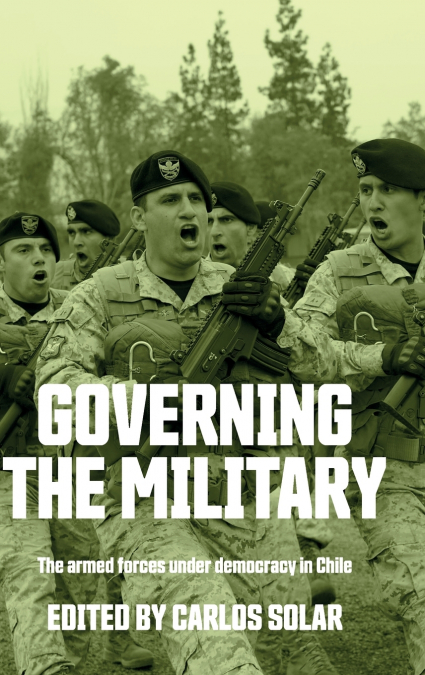
  • Governing the military
    Carlos Solar
    Governing the military combines the study of governance, democratisation, and policymaking to explore how military politics have unfolded since the return to democracy in Chile. The book offers timely research to understand the rocky road to overcome the civil-military tension of the 1990s and the challenges presented by novel security demands in the twenty-first century, inclu...
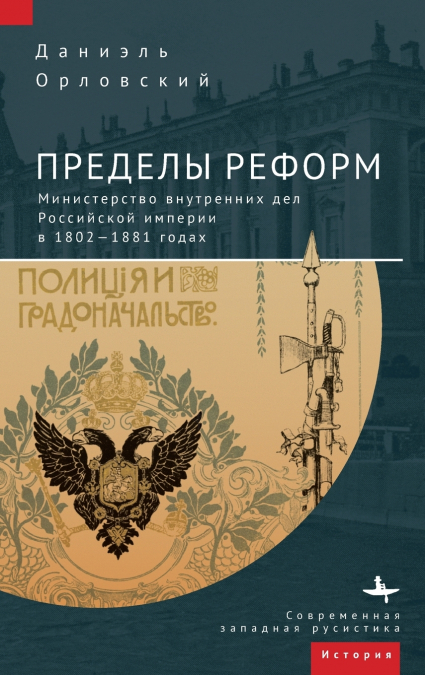
  • The Limits of Reform
    Daniel T. Orlovsky / Arsenii Chernyj
    The Limits of Reform examines the institutional, social, and cultural foundations of bureaucratic power and authority in Imperial Russia using the deeply rooted and wide ranging Ministry of Internal Affairs as example. The author develops the concept of 'Ministerial Power' to explain the enduring and highly personalized mode of authority in Russian history. This analysis and co...
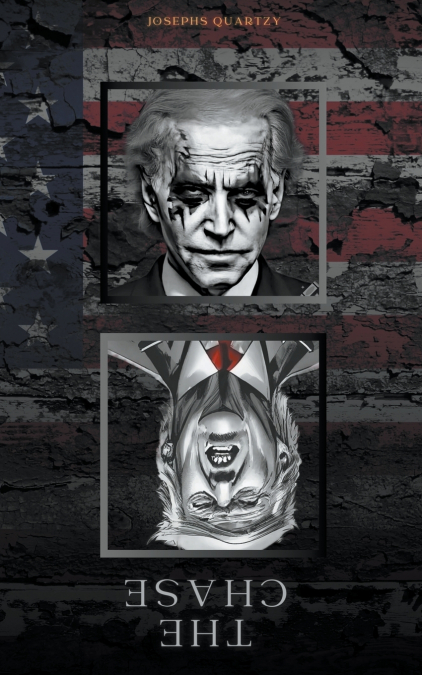
  • The Chase
    Josephs Quartzy
    Welcome to the wild world of American politics, where Joe Biden and Donald Trump have strutted onto the stage like a duo in a never-ending sitcom. Picture Biden, the seasoned politician, dishing out empathy like it’s candy at a parade, while Trump, the real estate tycoon turned commander-in-chief, storms in like a bull in a china shop, only to redecorate the entire place in his...
    Disponible

    16,32 €

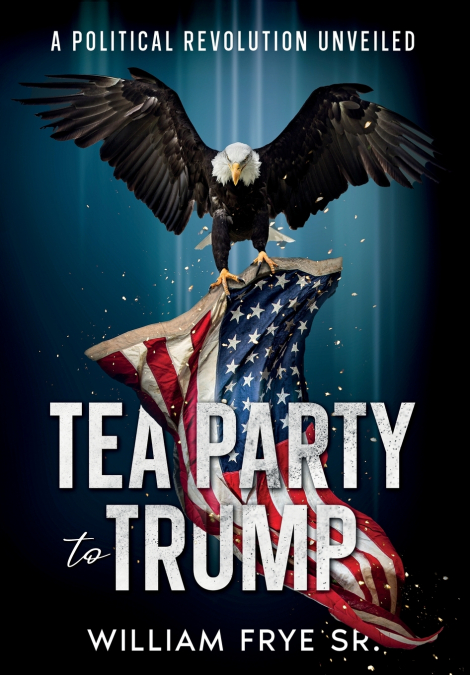
  • Tea Party to Trump- A Political Revolution Unveiled
    William Frye
    From Fringe to Forefront: The Tumultuous Journey of American PoliticsEmbark on an odyssey through one of the most turbulent periods in recent American political history with 'Tea Party to Trump: A Political Revolution Unveiled.' This riveting narrative unravels the intricate tapestry woven from grassroots rebellion to the dazzling rise of a new political epoch. With scrupulous ...
    Disponible

    18,90 €