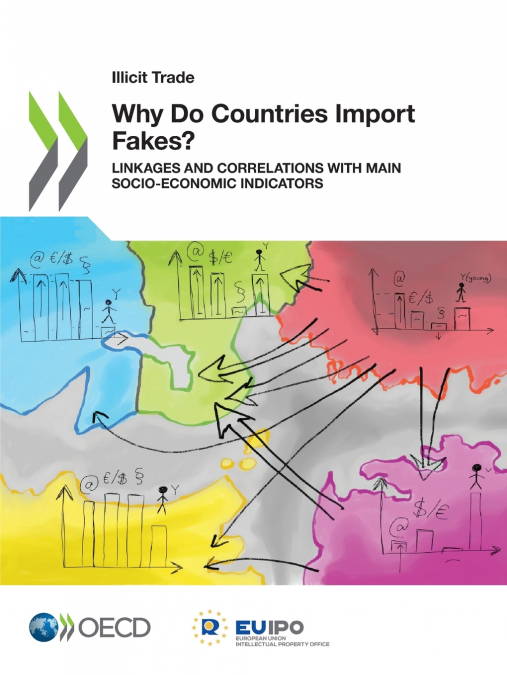

Why Do Countries Import Fakes?

Why Do Countries Import Fakes?

OECD

16,85 €
IVA incluido
Disponible
Editorial:
OECD
Año de edición:
2023
Materia
Economía internacional
ISBN:
9789264814363
16,85 €
IVA incluido
Disponible

Selecciona una librería:

  • Librería Samer Atenea
  • Kálamo Books
  • Librería Elías (Asturias)
  • Librería Kolima (Madrid)
  • Librería Proteo (Málaga)

This report looks at the demand for counterfeit goods and identifies its key drivers. It discusses the specificity of the demand for counterfeit goods, including both deliberate and unintentional demand. Indeed, some consumers will deliberately buy counterfeit and pirated goods while others will be deceived into buying illicit products, thinking they are genuine.
Artículos relacionados

  • Regional Economic Integration and the Global Financial System
    Engin Sorhun / Hasan Dinçer / Unit Hacioglu
    In theory, regionalism and globalization are intended to be viewed as two separate concepts. However, as long as the approaches complement each other, considering these paradigms in tandem can have significantly positive effects on the overall status of the world economy. Regional Economic Integration and the Global Financial System addresses recent trends in regional integrati...
  • Handbook of Research on Impacts of International Business and Political Affairs on the Global Economy
    The growth of global commerce depends on many different factors and strategies in order for multinational corporations to efficiently compete and thrive in the international marketplace. In addition to business strategies, corporations must also be aware of political affairs that may impact their global economic status. The Handbook of Research on Impacts of International Busin...
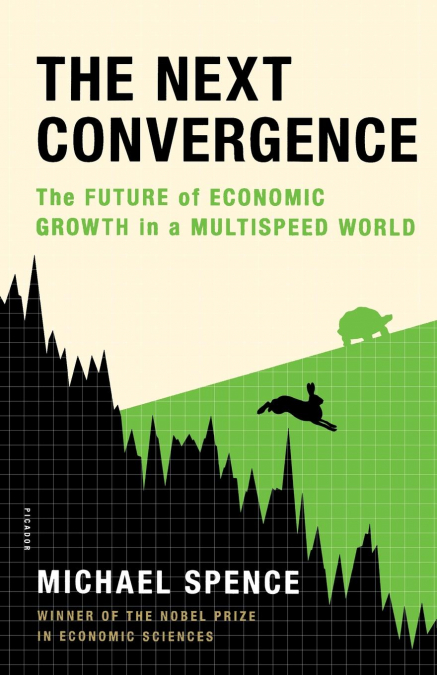
  • NEXT CONVERGENCE
    MICHAEL SPENCE
    ...
    Disponible

    17,21 €

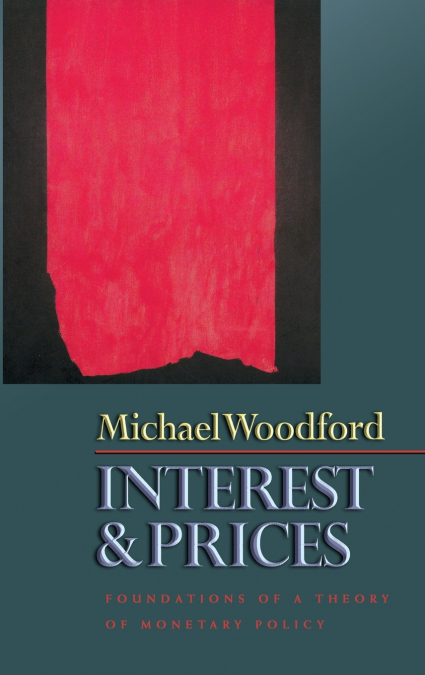
  • Interest and Prices
    Michael Woodford
    With the collapse of the Bretton Woods system, any pretense of a connection of the world’s currencies to any real commodity has been abandoned. Yet since the 1980s, most central banks have abandoned money-growth targets as practical guidelines for monetary policy as well. How then can pure 'fiat' currencies be managed so as to create confidence in the stability of national unit...
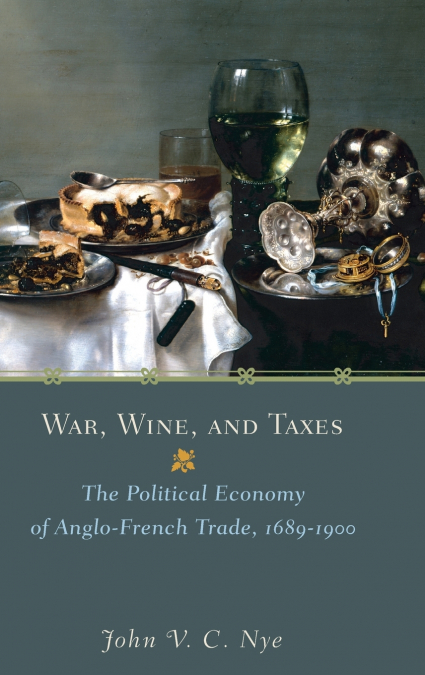
  • War, Wine, and Taxes
    John V.C. Nye
    In War, Wine, and Taxes, John Nye debunks the myth that Britain was a free-trade nation during and after the industrial revolution, by revealing how the British used tariffs-notably on French wine-as a mercantilist tool to politically weaken France and to respond to pressure from local brewers and others. The book reveals that Britain did not transform smoothly from a mercantil...
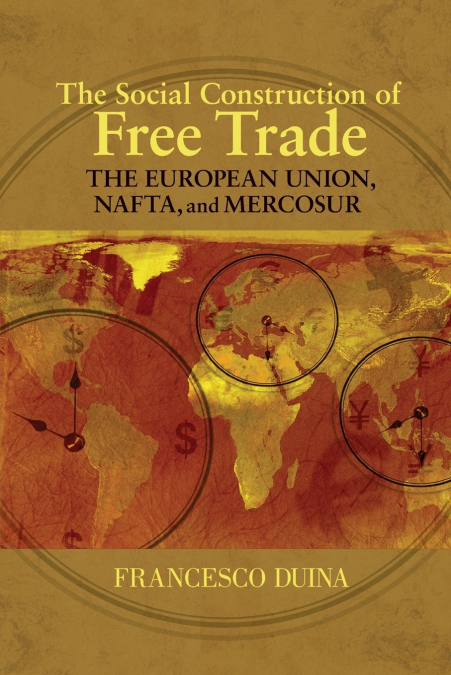
  • The Social Construction of Free Trade
    Francesco Duina
    This book offers a compelling new interpretation of the proliferation of regional trade agreements (RTAs) at the end of the twentieth century. Challenging the widespread assumption that RTAs should be seen as fundamentally similar economic initiatives to pursue free trade, Francesco Duina proposes that the world is reorganizing itself into regions that are highly distinctive an...
    Disponible

    54,30 €

Otros libros del autor

  • OECD Reviews of National Statistical Systems
    OECD
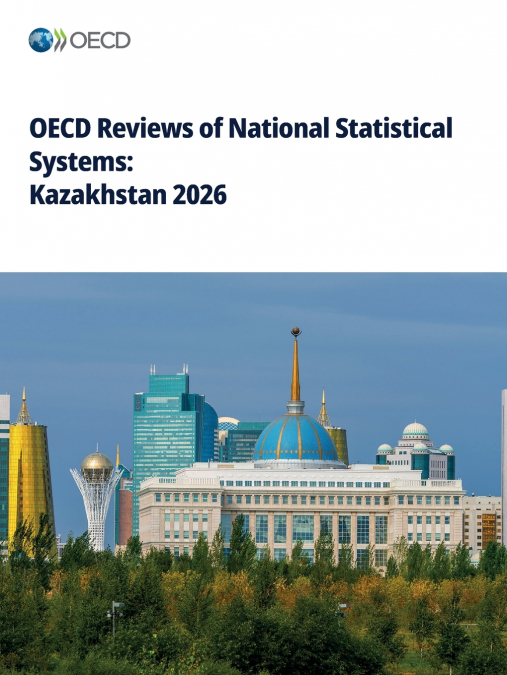
    This report provides an overview of Kazakhstan’s national statistical system and a comprehensive analysis of its statistical policies and practices compared with good statistical policies and practices in OECD member countries. It highlights the significant progress achieved by Kazakhstan in recent years and provides recommendations to address key challenges in an evolving stat...
    Disponible

    68,62 €

  • Net-Zero Commitments and Prudential Risks in the Dutch Financial Sector
    OECD
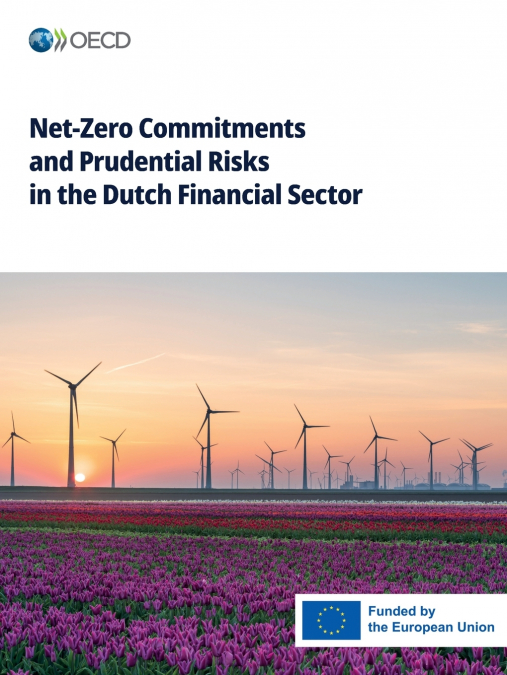
    Net-zero commitments by financial institutions may create legal and reputational risks when stated targets are not matched by credible progress. This report presents a monitoring framework for assessing risks related to financial institutions’ net-zero commitments. The framework includes quantitative and qualitative assessments focused on governance and risk-management practice...
    Disponible

    33,84 €

  • Informe sobre avances del regulador de los servicios de agua y saneamiento de Perú
    OECD
    En su papel como 'árbitros del mercado', los reguladores contribuyen a la prestación efectiva de servicios públicos esenciales, pero necesitan contar con una gobernanza adecuada para desempeñar eficazmente sus funciones. El Marco de Evaluación del Desempeño de los Reguladores Económicos (PAFER, por sus siglas en inglés) de la OCDE ayuda a los reguladores a evaluar cómo están or...
    Disponible

    35,58 €

  • Progress Review of Peru’s Water and Sanitation Services Regulator
    OECD
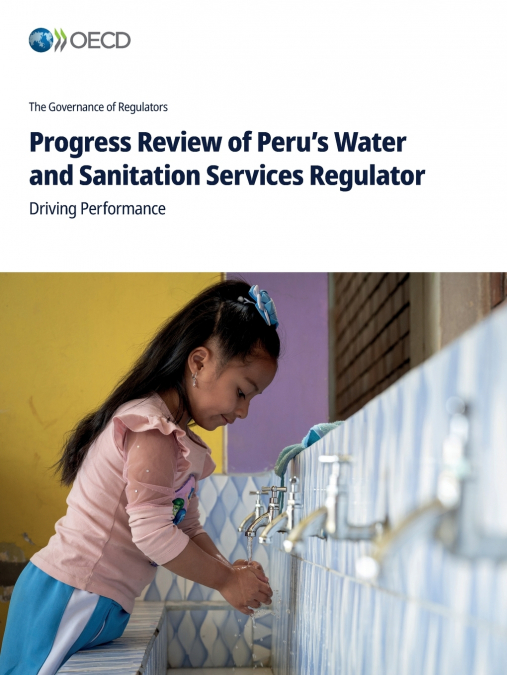
    As 'market referees', regulators shape the effective delivery of essential services, but they need the right governance to perform well. The OECD Performance Assessment Framework for Economic Regulators (PAFER) helps regulators assess how they are organised and how they deliver on their mandate. ...
    Disponible

    31,22 €

  • Mobilising Public and Private Finance for Biodiversity
    OECD
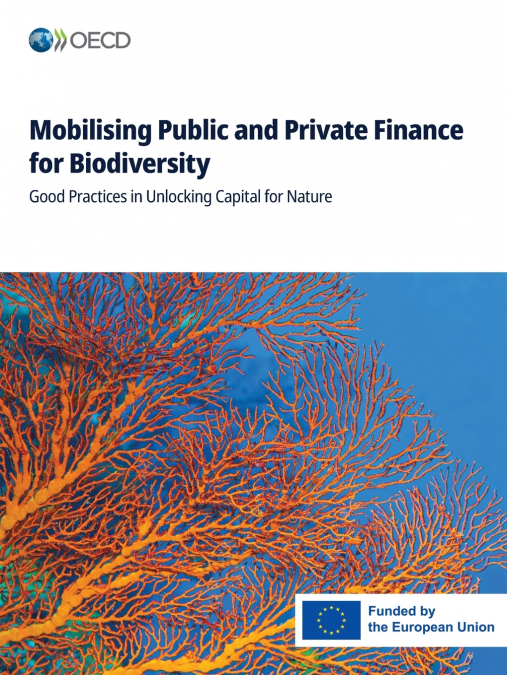
    Safeguarding the natural systems on which economies and societies depend requires mobilising public and private biodiversity finance at scale. This report provides a practical reference for policy makers, financial institutions and conservation practitioners seeking to unlock and scale biodiversity finance. It maps and assesses key biodiversity finance instruments and mechanism...
    Disponible

    53,98 €

  • OECD Tax Policy Reviews
    OECD
    This report examines the key challenges facing Peru’s tax system and presents options for reform. It highlights the need to gradually raise Peru’s low tax-to-GDP ratio, which has not increased sustainably despite years of economic growth even as expenditure requirements and fiscal pressures continue to grow. The report outlines how to strengthen public revenues by addressing pe...
    Disponible

    55,61 €