Inicio > Sociedad y ciencias sociales > Educación pedagogía > What about Us? Standards-Based Education and the Dilemma of Student Subjectivity
What about Us? Standards-Based Education and the Dilemma of Student Subjectivity

What about Us? Standards-Based Education and the Dilemma of Student Subjectivity

Edgar D. Johnson / Edgar DJohnson

73,75 €
IVA incluido
Disponible
Editorial:
Emerald Publishing Ltd
Año de edición:
2010
Materia
Educación pedagogía
ISBN:
9781617351884
73,75 €
IVA incluido
Disponible

Selecciona una librería:

  • Librería Samer Atenea
  • Librería Aciertas (Toledo)
  • Kálamo Books
  • Librería Perelló (Valencia)
  • Librería Elías (Asturias)
  • Donde los libros
  • Librería Kolima (Madrid)
  • Librería Proteo (Málaga)

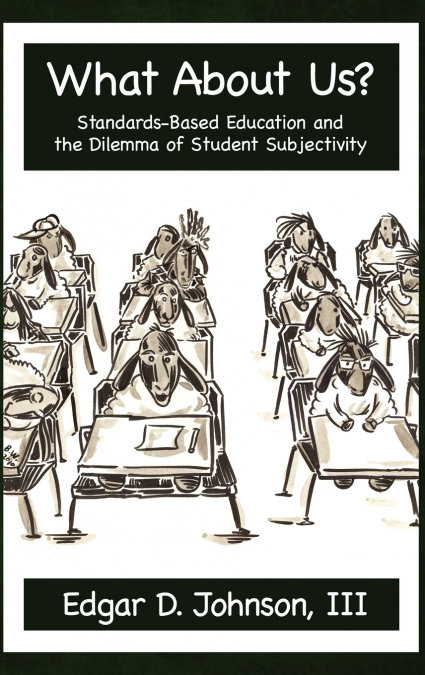
Over the past three decades, the standards-based reform movement has transformed K-12 education in theUnited States, culminating with passage of the No Child Left Behind Act in 2002. Beyond makingreasonable accommodations for special needs students, standards-based education pays little attention toother areas of student difference, relying instead on a 'rational actor' model of student experience, andignoring how differences in students’ backgrounds and orientations impact their particular experiences ofschooling.This book examines the development of standards-based education, with particular scrutiny of the roles ofthe National Governors’ Association and its National Education Summit events. Examination of importantdocuments emerging from those events provides an illustration of the conceptually impoverishedunderstanding of student subjectivity, motivation, and agency inherent in standards-based education. In order to understand both problems with andalternatives to standards-based education, the author examines the roles of ideology, rhetoric, and audience in school policy.In three case studies, the author analyzes several non-school models of education, including Marine Corps bootcamp, Ving Tsun kung fu training, andan online, school resistance community. Johnson argues that examination of these learning contexts provides a better understanding of theshortcomings and dangers of the standards-based model of student subjectivity, and suggests a set of fourteen principles to inform the development ofmore student-centered alternatives.

Artículos relacionados

  • Beekeeping At The End Of The Earth
    Mark David Leech
    Beekeeping at the End of the Earth, an essential read for learning about beekeeping in a cool temperate climate with a focus on Tasmania our island home.  One hundred beekeepers one hundred different ways to keep bees.Beekeeping At The End Of The Earth is a practical insight into cool climate beekeeping with a focus on Tasmania, our island home.Richly illustrated with unique di...
    Disponible

    45,16 €

  • Be the One for Kids
    Ryan Sheehy
    One person can make a difference.That person can be you. “I want to show others that one person can make the difference in a child’s life. I want all educators, parents, coaches, and everyone in between to know they have power to Be the One for Kids.” —Ryan Sheehy If you ever feel like you’re all alone or think that no one gets you, just imagine how your students feel. Kids wan...
    Disponible

    27,99 €

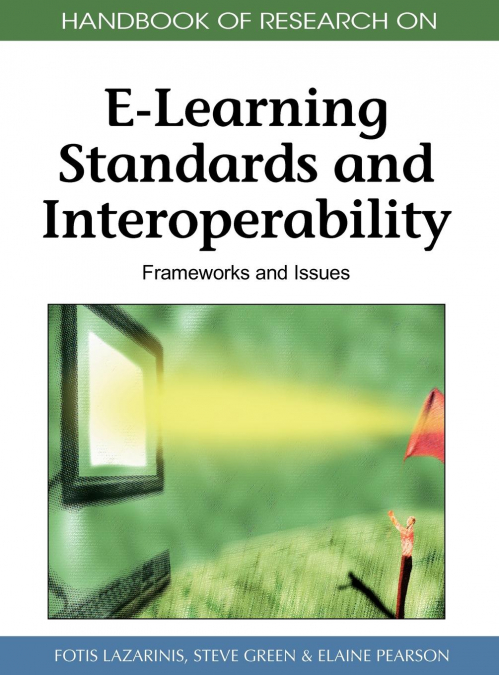
  • Handbook of Research on E-Learning Standards and Interoperability
    As the e-learning industry continues to expand and the methods and tools necessary to create and maintain content and infrastructure applications become more complicated, there is an inherent need for these applications to interoperate and exchange data in order to better support the needs of learners and educators. Handbook of Research on E-Learning Standards and Interoperabil...
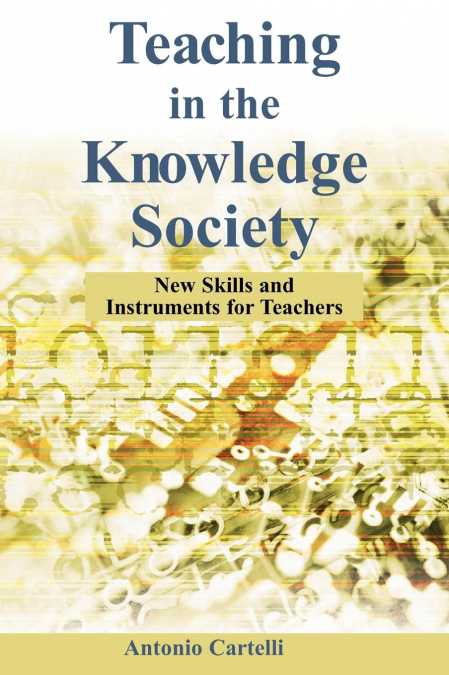
  • Teaching in the Knowledge Society
    Antonio Cartelli
    ...
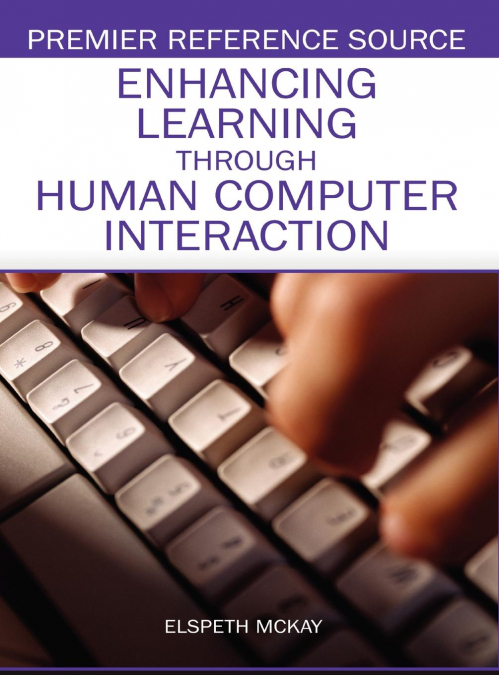
  • Enhancing Learning Through Human Computer Interaction
    Elspeth McKay
    ...
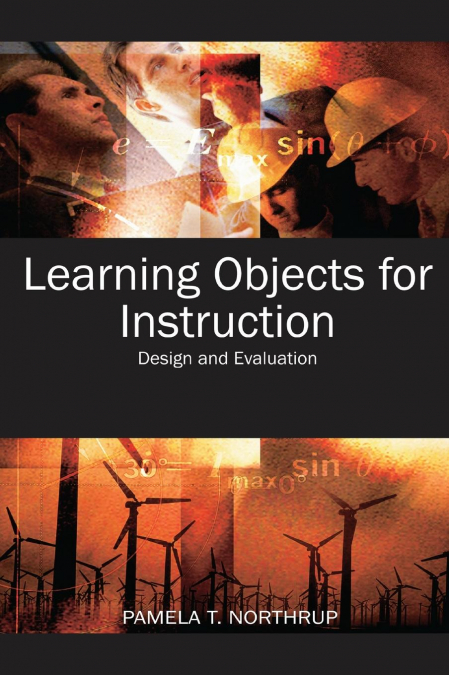
  • Learning Objects for Instruction
    Pamela Taylor Northrup
    ...

Otros libros del autor

  • What about Us? Standards-Based Education and the Dilemma of Student Subjectivity (Hc)
    Edgar D. Johnson / Edgar DJohnson
    Over the past three decades, the standards-based reform movement has transformed K-12 education in theUnited States, culminating with passage of the No Child Left Behind Act in 2002. Beyond makingreasonable accommodations for special needs students, standards-based education pays little attention toother areas of student difference, relying instead on a 'rational actor' model o...