Western Structures Meet Native Traditions

Western Structures Meet Native Traditions

Cheryl Woolsey Des Jarlais

129,60 €
IVA incluido
Consulta disponibilidad
Editorial:
Emerald Publishing Ltd
Año de edición:
2008
Materia
Organización y gestión educativa
ISBN:
9781593119317

Selecciona una librería:

  • Librería Samer Atenea
  • Librería Aciertas (Toledo)
  • Kálamo Books
  • Librería Perelló (Valencia)
  • Librería Elías (Asturias)
  • Donde los libros
  • Librería Kolima (Madrid)
  • Librería Proteo (Málaga)

As Western educational practices have become global, the cultural aspects and the problems associatedwith them have become more apparent as they are contrasted with local ways of learning andknowing in the widely diverse societies around the world. The Western world has tended to assumethat its concepts of progress and development should be universally welcomed, especially in countriesthat are struggling economically. Most cultures tend to feel a similar preference for their ownworld views. However, the West has had a history of not only ethnocentrism, but colonialism, inwhich it has forcibly attempted to reshape the cultures, societies, politics, and economics of conqueredterritories in its own likeness. Though some of the more overt, political colonialist practiceshave been abandoned, colonial ways of thinking, thinking about thinking, and training in how tothink, are still practiced, and these in turn, through the education of each nation-state’s children,affect every aspect of economics, politics, and social development in the global village that ourworld has become. It is critical to examine the basic assumptions of Western education in order to trace their effects on local ways ofknowing in many areas which may not share these assumptions, and which may be threatened and destroyed by them as global interactionin politics, economics, and education increases.The argument that education is primarily a moral endeavor may have been forced into the background for a time by rationalism and secularism,but it is reappearing as an important consideration in education once again. The question remains, however; whose moralityshould be institutionalized by compulsory educational programs-that of the individual, the family, the professional, the elite, the state,or the nation? And if the rules of science are no longer the single authority in identifying truth and reality, who decides the authoritieswe should rely on?
Artículos relacionados

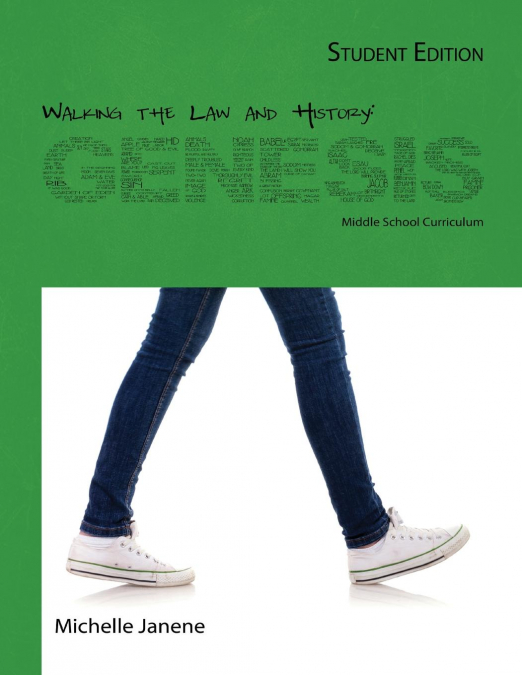
  • Walking the Law and History
    Michelle Janene
    The companion student workbook for the Bible curriculum of Walking the Law and History Genesis. Students will participate in deep Bible study of the creation of the world, the foundations of the Christian faith, and the formation of the Jewish nation.  ...
    Disponible

    9,81 €

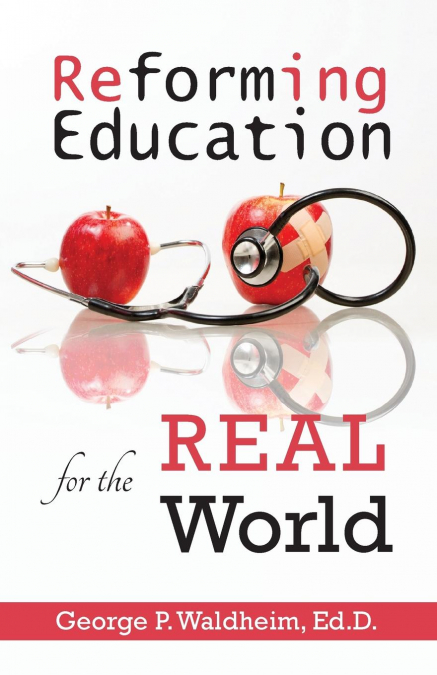
  • Reforming Education for the Real World
    George P Waldheim
    Education, as we know it in America, is too often characterized as living in a world by itself; unaccountable and unimproved--so different from the Real World.  Year after year 'Band-Aid' attempts are initiated to improve education and again, year after year, those attempts only produce marginal improvement--if any.  Thus, our international ranking is still depicted as 'mediocr...
    Disponible

    12,21 €

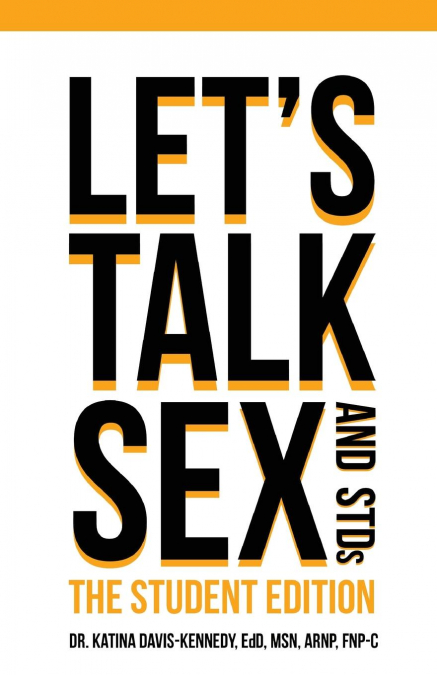
  • Let’s Talk Sex & STDs
    Dr. Katina Davis-Kennedy / DrKatina Davis-Kennedy
    There comes a time when every person has to learn about sex; typically, students learn within their middle school years about sex education. Unfortunately, by then they have been influenced by others with the wrong information, or have heard rumors that are mostly untrue. Let's Talk Sex and STDs: The Student Edition is here to lay all of the misleading information and stori...
    Disponible

    25,31 €

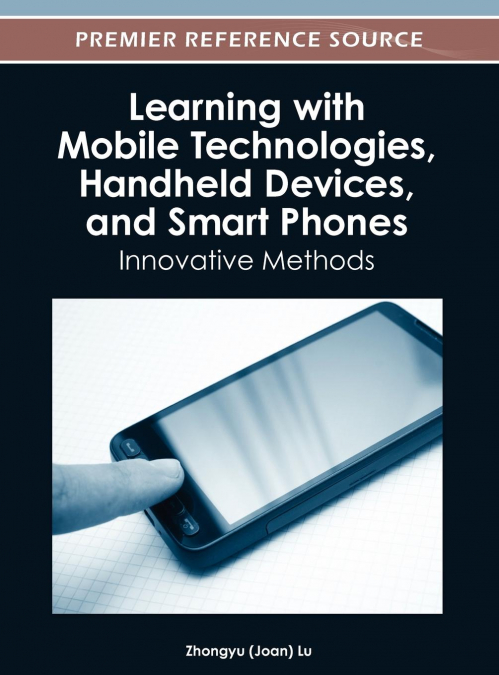
  • Learning with Mobile Technologies, Handheld Devices, and Smart Phones
    Mobile Learning is a new trend in pedagogical communities. It matches the speed of fast moving methodologies in pedagogical world. The theories of activity-based learning, problem-based learning, work-based learning, and opinion-based learning, learner-centered learning, and so forth, can be integrated with these tiny handheld devices. Students and teachers communicate effectiv...
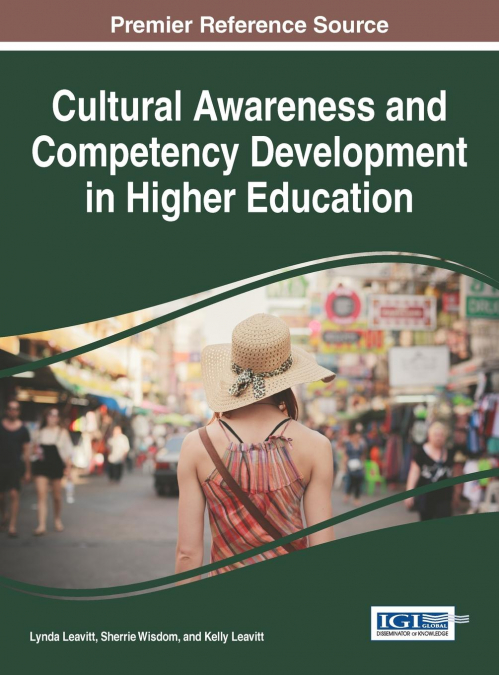
  • Cultural Awareness and Competency Development in Higher Education
    As the world becomes more globalized, student populations in university settings will continue to grow in diversity. To ensure students develop the cultural competence to adapt to new environments, universities and colleges must develop policies and programs to aid in the progression of cultural acceptance and understanding. Cultural Awareness and Competency Development in High...
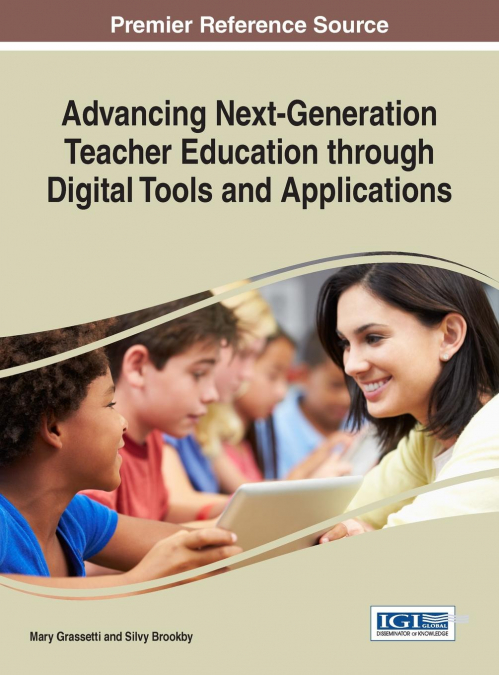
  • Advancing Next-Generation Teacher Education through Digital Tools and Applications
    The implementation of the Common Core State Standards program has spearheaded many changes within the education field. As this initiative is ultimately designed to optimize student performance and success, it is critical that teacher education programs and technological tools being utilized in classrooms align with Common Core State Standards. Advancing Next-Generation Teacher ...

Otros libros del autor

  • Western Structures Meet Native Traditions
    Cheryl Woolsey Des Jarlais
    As Western educational practices have become global, the cultural aspects and the problems associatedwith them have become more apparent as they are contrasted with local ways of learning andknowing in the widely diverse societies around the world. The Western world has tended to assumethat its concepts of progress and development should be universally welcomed, especially in c...
    Disponible

    65,95 €