Wallowing in Sex

Wallowing in Sex

Elana Levine

44,15 €
IVA incluido
Disponible
Editorial:
Duke University Press
Año de edición:
2007
Materia
Television
ISBN:
9780822339199
44,15 €
IVA incluido
Disponible

Selecciona una librería:

  • Librería Samer Atenea
  • Librería Aciertas (Toledo)
  • Kálamo Books
  • Librería Perelló (Valencia)
  • Librería Elías (Asturias)
  • Donde los libros
  • Librería Kolima (Madrid)
  • Librería Proteo (Málaga)

Passengers disco dancing in The Love Boat’s Acapulco Lounge. A young girl walking by a marquee advertising Deep Throat in the made-for-TV movie Dawn: Portrait of a Teenage Runaway. A frustrated housewife borrowing Orgasm and You from her local library in Mary Hartman, Mary Hartman. Commercial television of the 1970s was awash with references to sex. In the wake of the sexual revolution and the women’s liberation and gay rights movements, significant changes were rippling through American culture. In representing-or not representing-those changes, broadcast television provided a crucial forum through which Americans alternately accepted and contested momentous shifts in sexual mores, identities, and practices.Wallowing in Sex is a lively analysis of the key role of commercial television in the new sexual culture of the 1970s. Elana Levine explores sex-themed made-for-TV movies; female sex symbols such as the stars of Charlie’s Angels and Wonder Woman; the innuendo-driven humor of variety shows (The Sonny and Cher Comedy Hour, Laugh-In), sitcoms (M*A*S*H, Three’s Company), and game shows (Match Game); and the proliferation of rape plots in daytime soap operas. She also uncovers those sexual topics that were barred from the airwaves. Along with program content, Levine examines the economic motivations of the television industry, the television production process, regulation by the government and the tv industry, and audience responses. She demonstrates that the new sexual culture of 1970s television was a product of negotiation between producers, executives, advertisers, censors, audiences, performers, activists, and many others. Ultimately, 1970s television legitimized some of the sexual revolution’s most significant gains while minimizing its more radical impulses.
Artículos relacionados

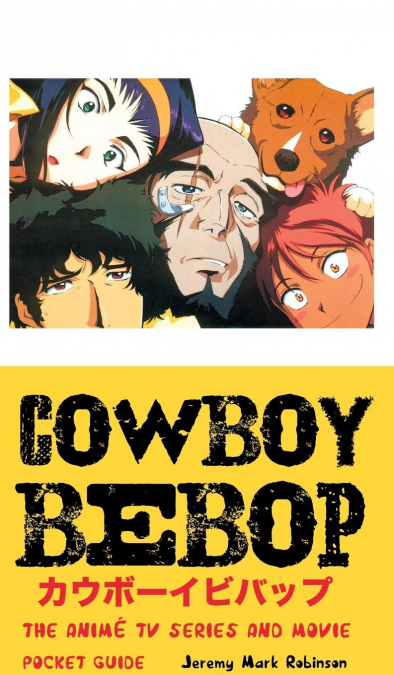
  • COWBOY BEBOP
    Jeremy Mark Robinson
    C O W B O Y  B E B O P THE ANIME TV SERIES AND MOVIE by Jeremy Mark Robinson   Sex + drugs + rock music + comedy + Westerns + crime + drifter lifestyles + space battles + bars + casinos + fashion – and more music – what’s not to like in Cowboy Bebop?! – and how it wittily and cleverly mixes all of those elements, and many more.   This book focusses on the celebrated, hugely ent...
    Disponible

    43,01 €

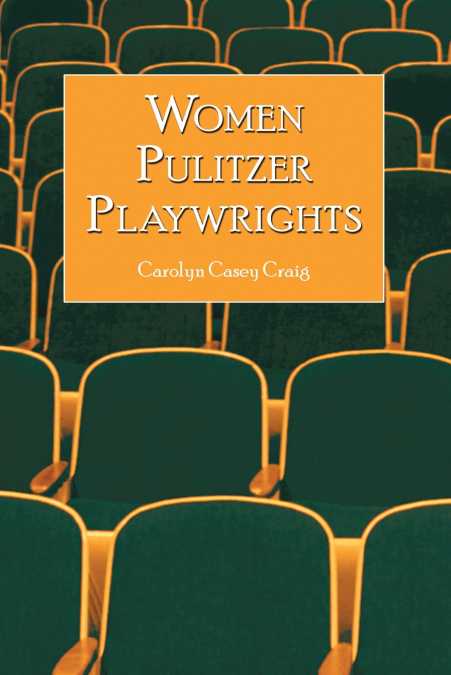
  • Women Pulitzer Playwrights
    Carolyn Casey Craig
    In the first century of the coveted Pulitzer Prizes, only 11 women have won the prize for drama: Zona Gale (1921), Susan Glaspell (1931), Zoe Akins (1935), Mary Coyle Chase (1945), Ketti Frings (1958), Beth Henley (1981), Marsha Norma (1983), Wendy Wasserstein (1989), Paula Vogel (1998), Margaret Edson (1999), and Suzan-Lori Parks (2002). This book is about them and their ...
    Disponible

    56,97 €

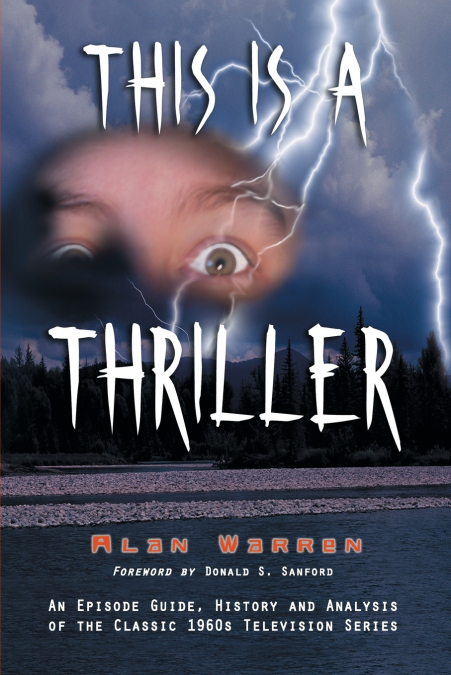
  • This Is a Thriller
    Alan Warren
    The late 1950s and early 1960s were the golden years of horror television. Anthology series such as Way Out and Great Ghost Tales, along with certain episodes of Twilight Zone and The Alfred Hitchcock Hour, were among the shows that consistently frightened a generation of television viewers. And perhaps the best of them all was Thriller, hosted by Boris Karloff. In Thrille...
    Disponible

    42,90 €

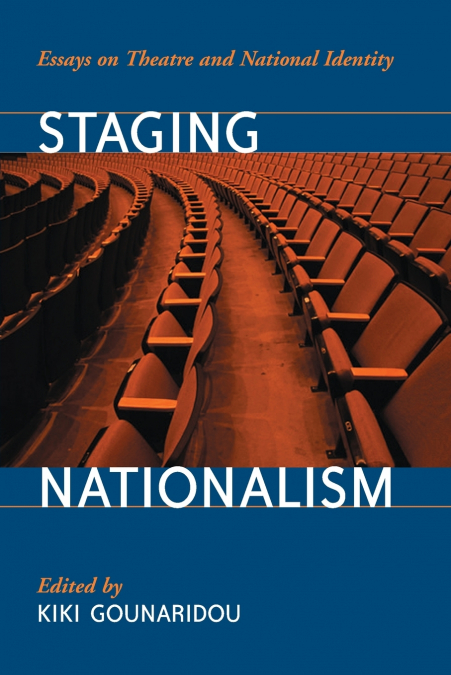
  • Staging Nationalism
    Kiki Gounaridou
    When a nation wants to reconnect with a sense of national identity, its cultural celebrations, including its theatre, are often tinged with nostalgia for a cultural high point in its history. Leaders often try to create a 'neo-classical' cultural identity. Artificially returning to an imagined pinnacle, however, can fail to take into account new aspects of national identity,...
    Disponible

    57,40 €

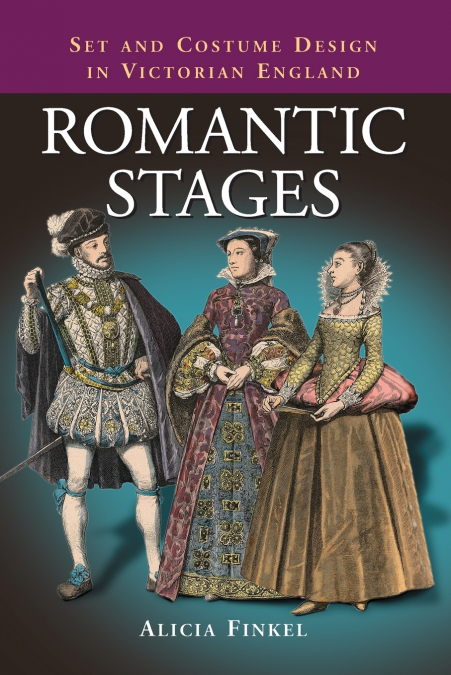
  • Romantic Stages
    Alicia Finkel
    Though Romantic elements in stage design are often thought to have ended with the advent of the Victorian era, they in fact persisted into the second half of the nineteenth century. Romantic stages were used in the productions of many of the most prominent actor-managers of the period, including Madame Vestris, Charles Kean, Wilson Barrett, Henry Irving and Herbert Beerbohm ...
    Disponible

    57,50 €

  • The HATERS’ Guide to New Who
    Mike Sivier
    '’The stories don’t work, you know.’'That’s all it took to set me off. Someone I knew - not a friend - an acquaintance had the nerve, the temerity, the-the-the audacity to tell me that the stories told in each episode of my beloved Doctor Who since the show returned to our TV screens in 2005 ... don’t stand up to scrutiny.'That is how Mike Sivier embarked on a quest to cast a c...
    Disponible

    14,46 €