
Using Research Evidence in Education

Using Research Evidence in Education


208,04 €
IVA incluido
Disponible
Editorial:
Springer Nature B.V.
Año de edición:
2016
Materia
Organización y gestión educativa
ISBN:
9783319343037
208,04 €
IVA incluido
Disponible

Selecciona una librería:

  • Librería Samer Atenea
  • Librería Aciertas (Toledo)
  • Kálamo Books
  • Librería Perelló (Valencia)
  • Librería Elías (Asturias)
  • Donde los libros
  • Librería Kolima (Madrid)
  • Librería Proteo (Málaga)

This book includes a set of rigorous and accessible studies on the topic of 'research evidence' from a variety of levels and educational vantage points. It also provides the reader with thoughtful commentaries from leading thinkers in the field. The complex process of acquiring, interpreting, and using research evidence makes for a rich and under examined area in educational research, practice and policymaking. Policy makers, practitioners and scholars are in need of additional knowledge and practical steps in terms of the uptake of evidence into practice. In addition, sharpening understanding in terms of the ways in which research evidence is shaped or adapted at different educational levels (school, district, state, federal) as well the factors that support or constrain the acquisition and use of research evidence is of immediate use. While professional support for evidence-based practice in schools has never been stronger, credible research has found only weak large-scale effects. This book provides us with key insights about the nature of this problem and a comprehensive approach to its solution; it is a major step toward realizing the considerable potential for school improvement of reciprocal working relationships among policy, practice and research communities. Ken Leithwood, Emeritus Professor, OISE/University of TorontoThe problem of scant research use at school sites is old, but the federal to classroom level scope of this book is unique. The authors’ analysis of the current status leads to despair, but they provide a clear and compelling path forward. Michael Kirst, Professor Emeritus, Stanford University; President, California State Board of Education.We have come a long way since the linear 'Research, Dissemination, Utilization' models of knowledge use of the 1970s and 80s. Each chapter in this book lays out new directions for understanding how individuals, relationships and systems advance or impede the movement of new ideas into policy/practice. Taken together, they redefine knowledge use as a dynamic process that affects and is affected by specific characteristics of the social structures in which is occurs. It is a 'must read' both for those interested in educational change and organizational theory. Karen Seashore Louis, Regents Professor, University of Minnesota
Artículos relacionados

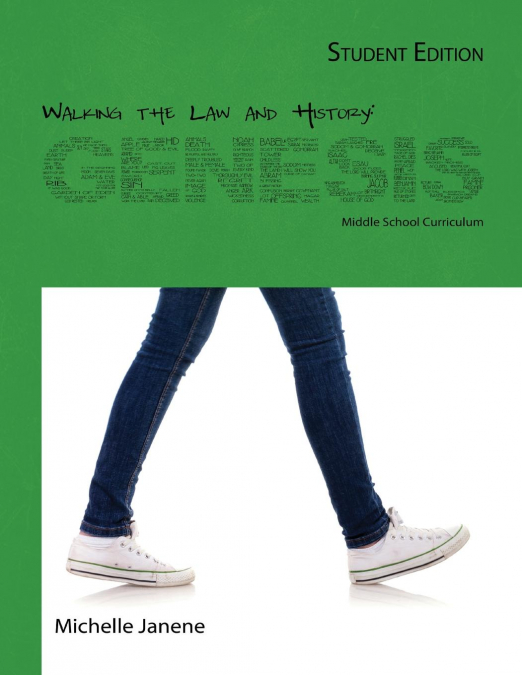
  • Walking the Law and History
    Michelle Janene
    The companion student workbook for the Bible curriculum of Walking the Law and History Genesis. Students will participate in deep Bible study of the creation of the world, the foundations of the Christian faith, and the formation of the Jewish nation.  ...
    Disponible

    9,81 €

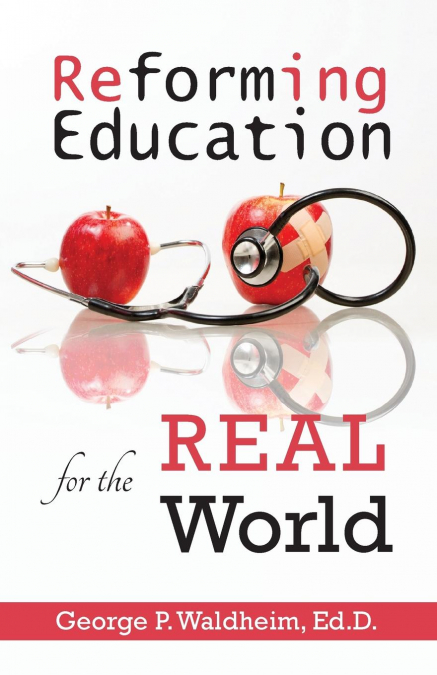
  • Reforming Education for the Real World
    George P Waldheim
    Education, as we know it in America, is too often characterized as living in a world by itself; unaccountable and unimproved--so different from the Real World.  Year after year 'Band-Aid' attempts are initiated to improve education and again, year after year, those attempts only produce marginal improvement--if any.  Thus, our international ranking is still depicted as 'mediocr...
    Disponible

    12,21 €

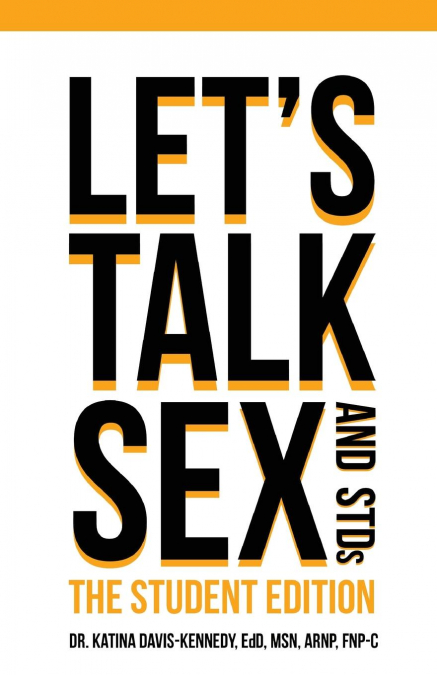
  • Let’s Talk Sex & STDs
    Dr. Katina Davis-Kennedy / DrKatina Davis-Kennedy
    There comes a time when every person has to learn about sex; typically, students learn within their middle school years about sex education. Unfortunately, by then they have been influenced by others with the wrong information, or have heard rumors that are mostly untrue. Let's Talk Sex and STDs: The Student Edition is here to lay all of the misleading information and stori...
    Disponible

    25,31 €

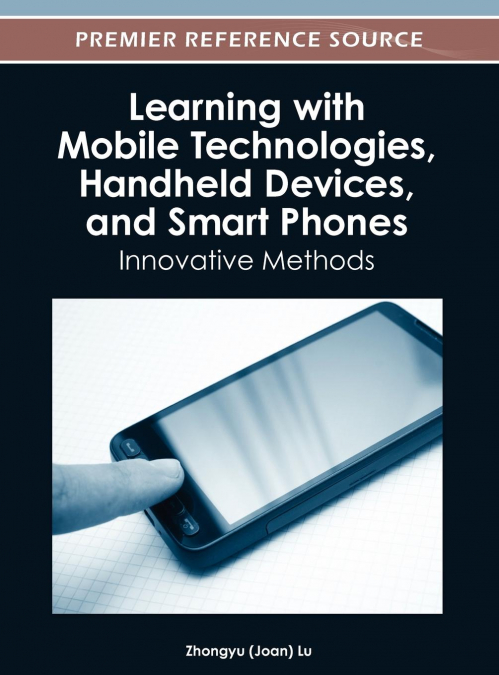
  • Learning with Mobile Technologies, Handheld Devices, and Smart Phones
    Mobile Learning is a new trend in pedagogical communities. It matches the speed of fast moving methodologies in pedagogical world. The theories of activity-based learning, problem-based learning, work-based learning, and opinion-based learning, learner-centered learning, and so forth, can be integrated with these tiny handheld devices. Students and teachers communicate effectiv...
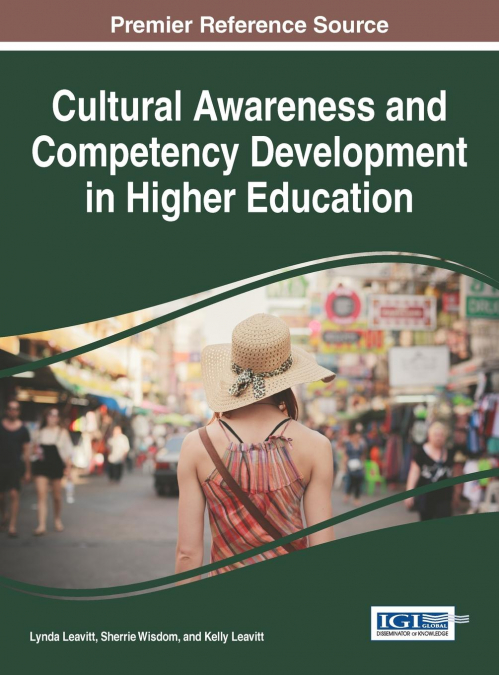
  • Cultural Awareness and Competency Development in Higher Education
    As the world becomes more globalized, student populations in university settings will continue to grow in diversity. To ensure students develop the cultural competence to adapt to new environments, universities and colleges must develop policies and programs to aid in the progression of cultural acceptance and understanding. Cultural Awareness and Competency Development in High...
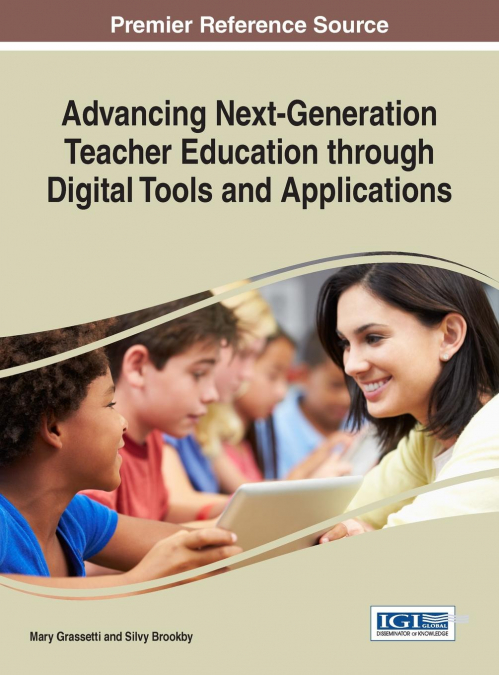
  • Advancing Next-Generation Teacher Education through Digital Tools and Applications
    The implementation of the Common Core State Standards program has spearheaded many changes within the education field. As this initiative is ultimately designed to optimize student performance and success, it is critical that teacher education programs and technological tools being utilized in classrooms align with Common Core State Standards. Advancing Next-Generation Teacher ...