 Librería Samer Atenea
 Kálamo Books
 Librería Elías (Asturias)
 Librería Kolima (Madrid)
 Librería Proteo (Málaga)
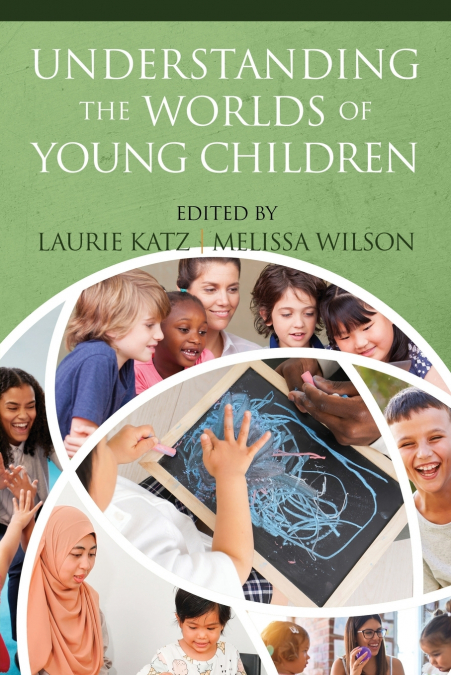
Children begin their literacy journeys from the moment of their birth as they begin to read the world around them. They embark on their journeys as they observe and react to the gestures and voices of their family members, and hear and use the language in which they are immersed to communicate with others. Through their interactions with the sign systems surrounding them, they become socialized into the cultural practices of their communities and construct meaning in their lives. Children’s entrance into formal education, where they begin to read the 'word', further connect them with literacies of other communities, both nationally and globally. Thus, the early years become a critical time to build and support current and future learning where children develop into creative problem solvers, thoughtful communicators and productive leaders and citizens of the next generation.This volume extends current knowledge of children’s learning by exploring the importance of children’s earliest years within the context of their families and communities and connecting those years with their formal education. Development is viewed through a child’s perezhivanie; a concept by Vygotsky (1933-1934/1994) that expresses the unity of the individual’s biological and cultural development. According to Vygotsky, development does not isolate the individual from her/his social context. Children are social beings from birth who acquire and make meanings of their world through their interactions with their families, friends, childcare providers, religious groups, and other community members. These interactions encompass the way children use language within children’s ecosocial (physical and social worlds) where development occurs. How these ecosocial worlds support each other or collide will impact children’s literacy development.This unique contribution provides the reader with opportunities to: a) Recognize the importance of literacy practices as cultural and social within the context of the multiple worlds of young children, b) promote a continuity of children’s ecosocial worlds into their formal education through concepts of perezhivanie and resource-based pedagogies, and c) envision an alternative framework for recognizing children’s ecosocial worlds outside of the classroom and integrating aspects of those worlds to involve families in their child’s formal education.