Inicio > Sociedad y ciencias sociales > Sociología y antropología > Antropología > Un atelier per maioliche di età rinascimentale a Roma
Un atelier per maioliche di età rinascimentale a Roma

Un atelier per maioliche di età rinascimentale a Roma

Alessandro Delfino / Ilaria De Luca / Roberto Meneghini

110,86 €
IVA incluido
Disponible
Editorial:
British Archaeological Reports (Oxford) Ltd
Año de edición:
2025
Materia
Antropología
ISBN:
9781407363608
110,86 €
IVA incluido
Disponible

Selecciona una librería:

  • Librería Samer Atenea
  • Librería Aciertas (Toledo)
  • Kálamo Books
  • Librería Perelló (Valencia)
  • Librería Elías (Asturias)
  • Donde los libros
  • Librería Kolima (Madrid)
  • Librería Proteo (Málaga)

Il volume affronta la scoperta di un’officina con fornace di età rinascimentale per la produzione di maioliche scoperta a Roma, nell’area del Foro di Traiano, grazie agli scavi archeologici realizzati dalla Sovrintendenza ai Beni Culturali del Comune di Roma, tra il 1998 e il 2017. Il ritrovamento si tratta della prima scoperta del genere documentata archeologicamente a Roma. In precedenza, ritrovamenti analoghi sono stati dispersi o distrutti a causa dello scarso interesse del mondo scientifico. La ricostruzione del contesto si è spinta nel dettaglio sino a individuare il principale proprietario della bottega (Giovannino Boni) attivo tra gli ultimi anni del XV secolo e i primi del XVI. Precede la descrizione dell’impianto produttivo un capitolo nel quale si tracciano i lineamenti della topografia dell’area dei Fori Imperiali tra la tarda antichità e l’epoca rinascimentale con l’analisi della distribuzione delle officine ceramiche contemporanee. Anche in questo capitolo sono presenti novità riguardanti l’attribuzione e l’identificazione di alcune opere di fortificazione medievale.The volume examines a workshop with a Renaissance furnace for the production of maiolicas in Rome, discovered during excavations conducted by the Superintendency for Cultural Heritage of the Municipality of Rome between 1998 and 2017 in the area of Trajan’s Forum, Rome. This is the first discovery of its kind documented archaeologically in Rome. Previously, similar finds were scattered or destroyed due to lack of interest from the scientific community. Reconstruction of the context allowed the identification of the main owner of the workshop as Giovannino Boni, who was active between the last years of the 15th century and the early 16th. Also discussed is the topography of the Imperial fora between late antiquity and the Renaissance. There is analysis of the distribution of other contemporaneous pottery workshops and new findings regarding the attribution and identification of several medieval fortification works.
Artículos relacionados

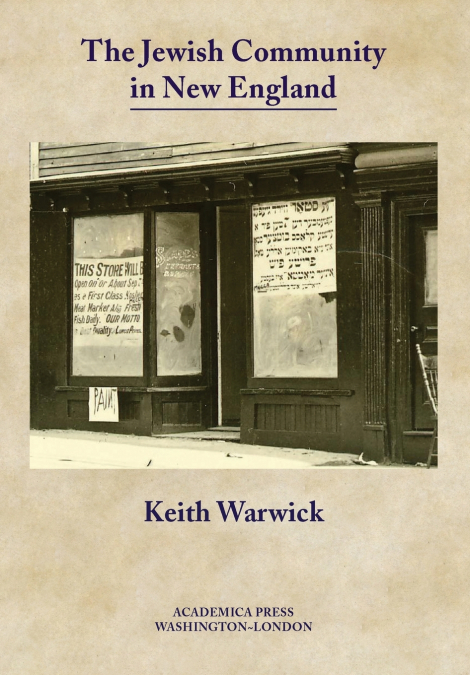
  • The jewish community in new england
    Keith Warwick
    The purpose of The Jewish Community in New England is to inform readers about the Jewish community in each of the six New England States: Rhode Island, Connecticut, Maine, Massachusetts, New Hampshire, and Vermont. Factual, inspirational, and poetic, it serves as a scholarly guide to institutions of Jewish life in this dynamic American region. Stocked with valuable information ...
    Disponible

    142,00 €

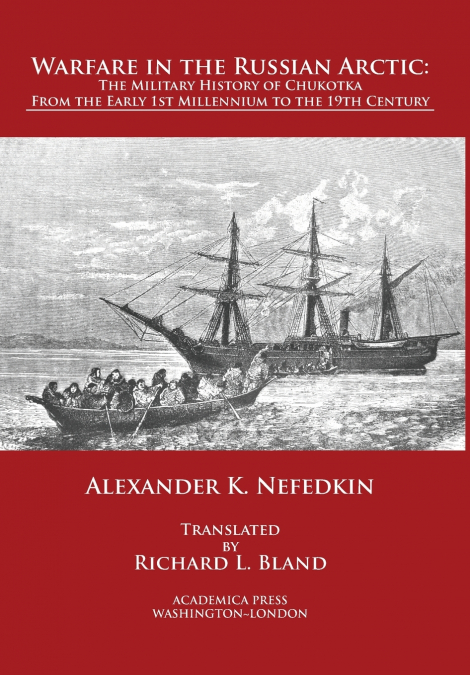
  • Warfare in the Russian arctic
    Alexander K Nefedkin / Richard L Bland
    Alexander Nefedkin’s highly original new book, translated by the noted American scholar Richard L. Bland, is devoted to the understudied topic of the military and military-political history of Chukotka, the far northeastern region of the Russian Federation, separated from Alaska by Bering Strait. This study is based on primary sources, including archaeological, folkloric, and d...
    Disponible

    198,46 €

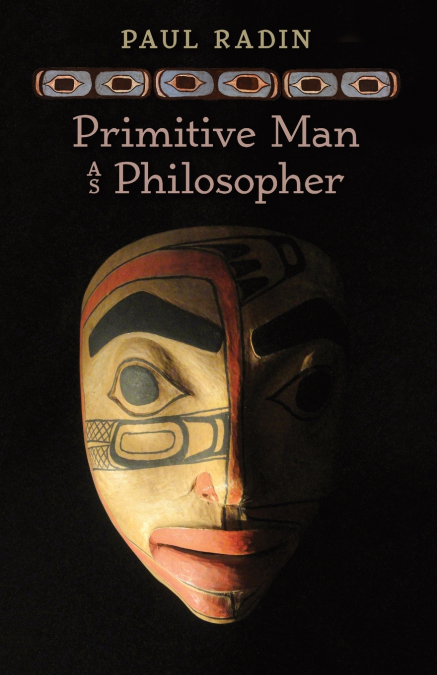
  • Primitive Man as Philosopher
    Paul Radin
    First published in 1927, Primitive Man as Philosopher represents a landmark in early anthropological studies. In this work, Paul Radin demonstrates the problematic nature of distinguishing between 'primitive' and 'civilized' cultures. He traces such ideas as the nature of Goodness and Truth, the meaning of life, and the reality of death across various cultures, highlighting how...
    Disponible

    24,38 €

  • The Economics of Population Growth
    Julian Lincoln Simon
    Comparison with stationary and very fast rates of population growth shows modern population grwoth to have long-run positive effects on the standards of living. This is Julian Simon’s contention, and he provides support for its validity in both more and less-developed countries. He notes that since each person constitutes a burden in the short run, whether population growth is ...
    Disponible

    153,61 €

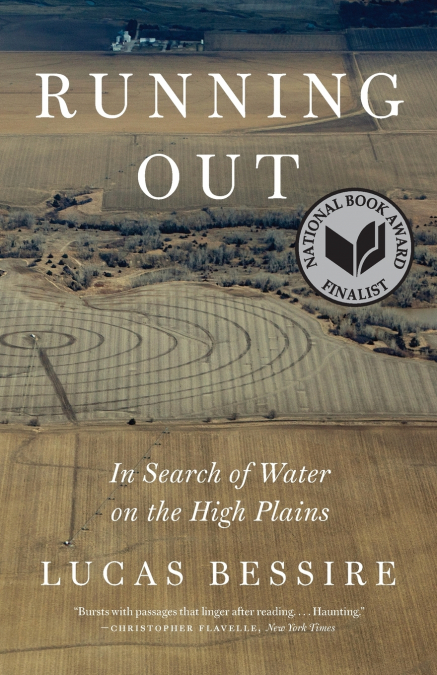
  • Running Out
    Lucas Bessire
    Finalist for the National Book AwardAn intimate reckoning with aquifer depletion in America’s heartlandThe Ogallala aquifer has nourished life on the American Great Plains for millennia. But less than a century of unsustainable irrigation farming has taxed much of the aquifer beyond repair. The imminent depletion of the Ogallala and other aquifers around the world is a defining...
    Disponible

    25,19 €

  • The Nation and Its Fragments
    Partha Chatterjee
    In this book, the prominent theorist Partha Chatterjee looks at the creative and powerful results of the nationalist imagination in Asia and Africa that are posited not on identity but on difference with the nationalism propagated by the West. Arguing that scholars have been mistaken in equating political nationalism with nationalism as such, he shows how anticolonialist nation...
    Disponible

    72,17 €