
Inicio > Sociedad y ciencias sociales > Sociología y antropología > Sociología > Población y demografía > Transformation from Below? White Suburbia in the Transformation of Apartheid South Africa to Democracy
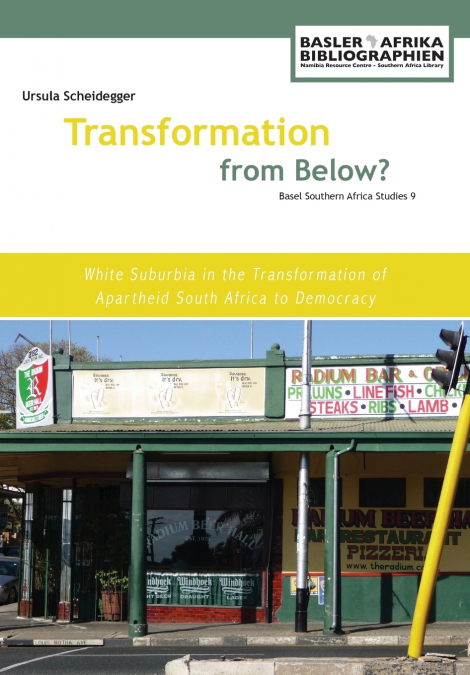
Transformation from Below? White Suburbia in the Transformation of Apartheid South Africa to Democracy

Transformation from Below? White Suburbia in the Transformation of Apartheid South Africa to Democracy

Ursula Scheidegger

48,51 €
IVA incluido
Disponible
Editorial:
African Books Collective
Año de edición:
2015
Materia
Población y demografía
ISBN:
9783905758580
48,51 €
IVA incluido
Disponible

Selecciona una librería:

  • Librería Samer Atenea
  • Librería Aciertas (Toledo)
  • Kálamo Books
  • Librería Perelló (Valencia)
  • Librería Elías (Asturias)
  • Donde los libros
  • Librería Kolima (Madrid)
  • Librería Proteo (Málaga)

South Africa is an example of a relatively successful political transition. Nevertheless, the first democratic elections in 1994 did not change the systemic and structural inequalities, the socioeconomic legacies of discrimination or the alienation of the different population groups. At the centre of this study is the transformation potential of two formerly white neighbourhoods in Johannesburg - Norwood and Orange Grove. Both neighbourhoods have experienced considerable demographic changes and the various population groups differ in terms of their expectations and their willingness to adjust to the changes provoked by the transition. At the local level, patterns of discrimination and oppression continue. Spaces, opportunities and leverage of social networks engaged in the community are influenced by the resources people are able to access. Moreover, cooperation is contested in a context of pervasive inequality because there is no incentive for privileged groups to change arrangements that benefit them. In this context of conflicting interests and unequal access to power and resources, decentralisation and the promotion of participatory structures in local communities are a problem and the reliance on local networks as agents of development is questionable.

Artículos relacionados

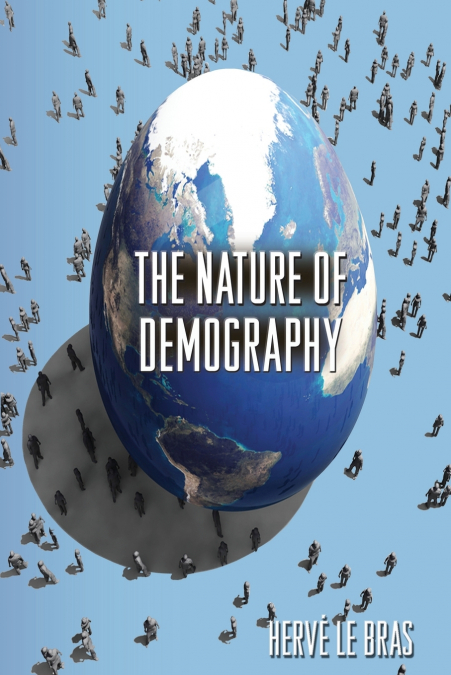
  • The Nature of Demography
    Hervé Le Bras
    Rapid changes over the last twenty years have impacted every branch of demographic analysis, from birth rates and immigration, to marriage rates and aging. The Nature of Demography is a response to these enormous changes. Written by one of the world’s leading demographers, this authoritative text offers a systematic and coherent overview of the fundamental ideas governing the s...
    Disponible

    110,57 €

  • Interaction Ritual Chains
    Randall Collins
    Sex, smoking, and social stratification are three very different social phenomena. And yet, argues sociologist Randall Collins, they and much else in our social lives are driven by a common force: interaction rituals. Interaction Ritual Chains is a major work of sociological theory that attempts to develop a 'radical microsociology.' It proposes that successful rituals create s...
    Disponible

    56,26 €

  • Migration, Mobility and Multiple Affiliations
    ...
  • Finding Strength in Numbers
    Alan Blackshaw
    A topical exploration of how communities can help heal trauma in individuals and groupsThere are many books dedicated to trauma. What sets ’Finding Strength in Numbers’ apart from these books is that it is one of the very few, or even the first, focussing on trauma and its relationship to community as the place where we heal. Trauma is a common human experience. Almost all of u...
    Disponible

    18,45 €

  • India Population Report
    ...
  • Death and the Metropolis
    John Landers
    ...
    Disponible

    49,91 €