
Inicio > Matemáticas y ciencia > Biologia, ciencias de la vida > Topologia dos Principais Transportadores de Açúcares
Topologia dos Principais Transportadores de Açúcares

Topologia dos Principais Transportadores de Açúcares

Gustavo Henriq de Jesus Pinto

0,00 €
IVA incluido
Consulta disponibilidad
Editorial:
Editora Dialetica
Año de edición:
2021
Materia
Biologia, ciencias de la vida
ISBN:
9786525202792

Selecciona una librería:

  • Librería Samer Atenea
  • Librería Aciertas (Toledo)
  • Kálamo Books
  • Librería Perelló (Valencia)
  • Librería Elías (Asturias)
  • Donde los libros
  • Librería Kolima (Madrid)
  • Librería Proteo (Málaga)

A glicose é uma fonte de energia primária para a maioria das células e um substrato importante para muitas reações bioquímicas. Em função dessa importância, todas as células expressam proteínas transportadoras de glicose. Nos últimos anos, os desenvolvimentos no campo da genética lançaram uma nova luz sobre os tipos de fisiologia de vários transportadores de glicose, dos quais existem dois tipos principais: transportadores de glicose sódio dependentes (SGLTs) e transportadores de glicose por difusão facilitada (GLUTs), que podem ser divididos em muitas mais subclasses. Os transportadores diferem em termos de especificidade de substrato, distribuição e mecanismos regulatórios. Os transportadores de glicose sódio dependente-1 (SGLT1) foi o primeiro SGLT a ser descoberto e extensivamente estudado. É constituído por 14 hélices transmembrânicas, das quais as porções carboxi e aminoterminais estão voltados para o espaço extracelular. Todos os membros da família SGLT são proteínas de 60 a 80 kDa contendo 580 a 718 resíduos de aminoácidos. Os transportadores de glicose (GLUTs) e suas isoformas regulam a distribuição de glicose pelos diversos tecidos biológicos. Os GLUT´s compões uma família de proteínas com 12 domínios transmembrânicos apolares com peso molecular que varia entre 50-60 kDa. Suas porções amino e carboxiterminais orientam-se para o citosol e seu grande domínio extracelular é glicosilado. Os GLUTs permitem a difusão facilitada da glicose, a favor de seu gradiente de concentração, através da membrana plasmática. Além de sua função no metabolismo energético, a glicose é a molécula central na fisiopatologia do diabetes melito (DM). Concomitante com os avanços na terapêutica do DM, está a busca contínua por abordagens inovadoras para o controle da glicemia. A função dos transportadores de glicose se tornará cada vez mais proeminente à medida que novos medicamentos antidiabéticos forem aprovados e se tornarem disponíveis no ambiente clínico. Drogas direcionadas contra transportadores de glicose também são potenciais agentes na terapia anti câncer. 10


Artículos relacionados

  • Viral Replication Complexes
    Viruses are obligate intracellular parasites that need to co-opt a living cell’s machinery for replication. At the heart of the viral replication machinery are the nucleic acid polymerases, which are responsible for efficiently copying the viral genome. This process must often be coordinated with other viral processes, including protein translation and viral packaging. The poly...
  • Advances in Flavivirus Research
    The flaviviruses are composed almost entirely of arthropod-borne viruses, a subset of which are responsible for millions of cases of human disease each year. Among these viruses are dengue virus—a scourge throughout the tropical regions of Asia and the Americas; yellow fever virus—the “original” hemorrhagic fever virus; and the recently emerged Zika virus. While the flaviviruse...
    Disponible

    51,85 €

  • Brain Asymmetry of Structure and/or Function
    Lesley J. Rogers / Lesley JRogers
    This edited book brings together research reports on the asymmetry of brain function in various species, including humans, dogs, birds, lizards and bees. As shown in a wide range of species, and, as we now know, not solely in humans, the left and right sides of the brain process information in different ways and control different responses or patterns of behaviour. Since this d...
    Disponible

    51,71 €

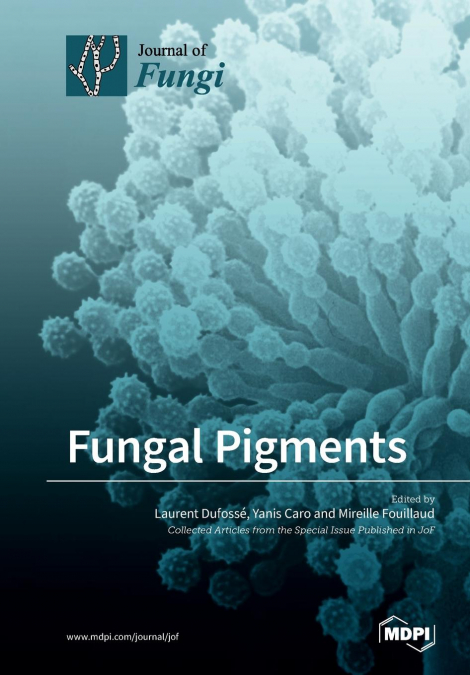
  • Fungal Pigments
    With the impact of globalization in research trends, the search for healthier life styles, the increasing public demand for natural, organic, and ‘clean labelled’ products, as well as the growing global market for natural colorants in economically fast-growing countries all over the world, filamentous fungi started to be investigated as readily available sources of chemically d...
    Disponible

    43,80 €

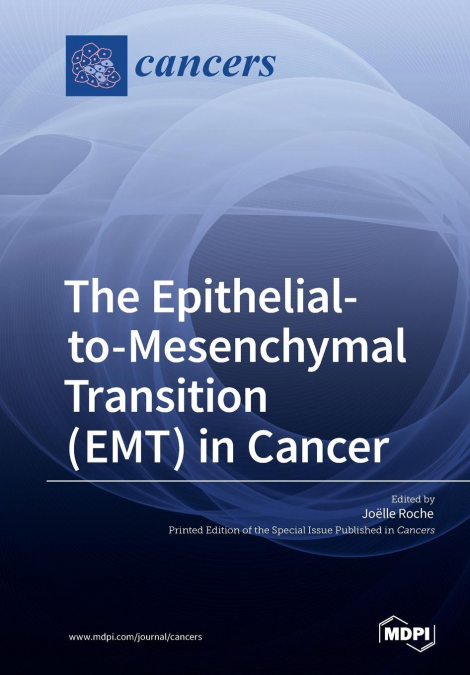
  • The Epithelialto- Mesenchymal Transition ( EMT ) in Cancer
    Joëlle Roche
    The epithelial-to-mesenchymal transition (EMT) is a highly dynamic process with multiple transitional states, by which epithelial cells can convert into a mesenchymal phenotype. This process involves loss of cellular adhesion and cellular polarity, and an improvement in migratory and invasive properties. It occurs during normal embryonic development, tissue regeneration, organ ...
    Disponible

    67,86 €

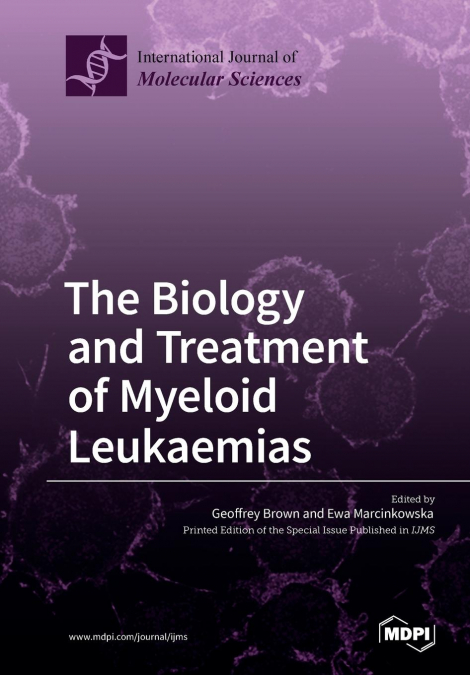
  • The Biology and Treatment of Myeloid Leukaemias
    There has been an observed decrease in the global mortality from cancer, mostly atributable to improved, particularly early, detection and prevention. For many carcinomas and leukaemias in adults, once the disease has reached a certain stage there are no therapies that are able to erradicate the cancer cells and cure patients. There has been progress in the treatment of acute m...
    Disponible

    51,85 €